Hawa Mahal Facts

Mariana Silva
| 28-10-2024
 · Travel team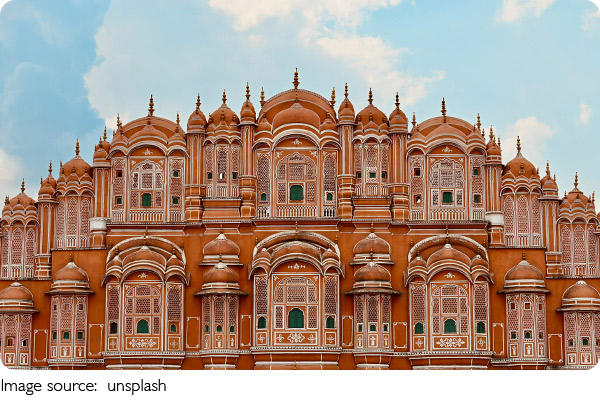
Hello, Lykkers! When you think of Jaipur, the Hawa Mahal instantly comes to mind—a breathtaking blend of history, culture, and architectural marvel.
Known as the "Palace of Winds," Hawa Mahal is one of the most iconic landmarks in India and a symbol of the Pink City's royal heritage.
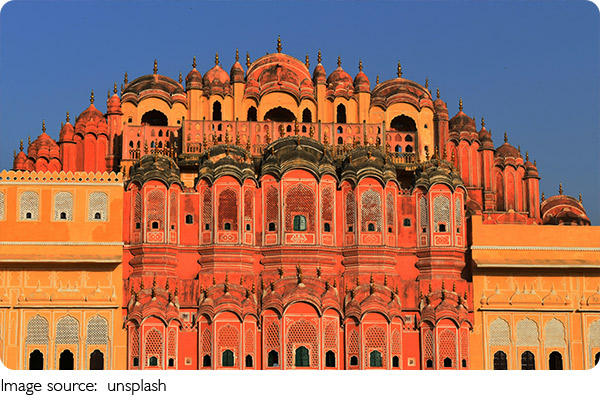
Built in 1799 by Maharaja Sawai Pratap Singh, this stunning five-story palace is renowned for its intricate latticework and distinctive facade, which resembles a honeycomb in a beehive.
How to Reach Hawa Mahal
Jaipur is well connected to all major cities in India by air, rail, and road. The nearest airport is Jaipur International Airport, located about 12 km from the city center. You can easily reach Hawa Mahal by taxi, auto-rickshaw, or even by foot if you're staying in the old city area.
Jaipur Railway Station is also well connected to major cities like Delhi, Mumbai, and Agra, making train travel an excellent option for those exploring the Golden Triangle (Delhi, Jaipur, Agra).
A Masterpiece of Rajput Architecture
The architecture of Hawa Mahal is a unique mix of Rajput and Mughal styles. Designed by Lal Chand Ustad, the palace is constructed from red and pink sandstone, beautifully blending into the aesthetic of the city, which is known for its pink-hued buildings. Its most striking feature is its 953 small windows, or jharokhas, which are adorned with intricate latticework.
These windows were originally built to allow royal women, who followed strict purdah (veiling) customs, to observe street festivals and daily life without being seen. The breeze flowing through the windows also keeps the palace cool, even during the intense summer heat, giving it its name, "Palace of Winds."
The Unique Facade
The facade of Hawa Mahal is an architectural wonder. It resembles a crown or the feathers of Lord Krishna, a nod to the ruler's devotion to the Hindu god. The honeycomb structure and the small, intricately designed windows allow for maximum ventilation, which was a clever design choice in the hot climate of Rajasthan. The small windows also create a play of light and shadow inside the palace, giving it a surreal and magical ambiance.
From the outside, the palace appears massive, but it's actually just a thin, wall-like structure—a fascinating illusion of grandeur that captures the essence of Jaipur's regal past.
HAWA MAHAL "Palace of Wind" - Jaipur ● India 【4K】 Cinematic [2020]
Video by Travel Penguin
Exploring the Palace Interiors
While the exterior of Hawa Mahal is captivating, the interior offers a glimpse into royal life. The rooms are relatively simple compared to the ornate facade, but the views from inside the jharokhas are mesmerizing. As you climb up the narrow winding stairs to the top floors, you're rewarded with stunning views of Jaipur's City Palace, the bustling Johari Bazaar, and the surrounding hills.
One of the highlights is the small museum located inside, which houses relics, miniatures, and artifacts from the era of Maharaja Sawai Pratap Singh. This museum offers insights into the royal history and culture of Jaipur.
Best Time to Visit Hawa Mahal
The best time to visit Hawa Mahal is during the early morning hours when the palace is bathed in the soft golden light of the sunrise. The warm hues of the sun reflecting off the pink sandstone create a magical sight. Jaipur experiences extreme temperatures, so it's advisable to visit between October and March when the weather is more pleasant.
Shopping and Dining in Jaipur
After visiting Hawa Mahal, don't miss the chance to explore the vibrant bazaars that surround the palace. Johari Bazaar and Bapu Bazaar are perfect for shopping for Rajasthani handicrafts, jewelry, and textiles. The colorful markets give you a chance to experience Jaipur's lively street culture.
For dining, Jaipur offers a range of options that cater to every palate. From street food to fine dining, you can indulge in Rajasthani delicacies like dal baati churma, ghevar, and laal maas. Some recommended dining spots include:
Laxmi Misthan Bhandar (LMB): A legendary spot for Rajasthani sweets and snacks.
The Verandah at Rambagh Palace: For a luxury dining experience with stunning views.
Chokhi Dhani: A cultural village resort offering traditional Rajasthani cuisine and live performances.
A visit to Hawa Mahal is a journey back in time to the royal era of Jaipur. This architectural masterpiece, with its ornate facade and cultural significance, offers a glimpse into the lives of Rajasthan's royals while showcasing the grandeur of Indian craftsmanship.
If you're an architecture enthusiast, a history buff, or simply a traveler seeking beauty, Hawa Mahal is a must-see destination in Jaipur, India.