Tomb of Safdarjung

Caleb Ryan
| 28-10-2024
 · Travel team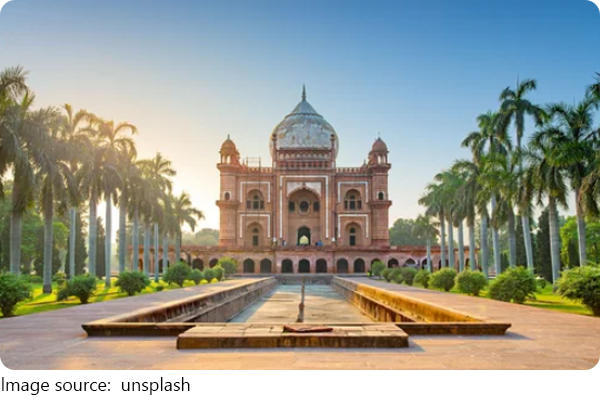
The vibrant city of New Delhi is renowned for its historical landmarks. While many visitors head straight for the Red Fort or Humayun's Tomb, the Tomb of Safdarjung stands as a quiet marvel waiting to be explored.
Built in 1754, this lesser-known Mughal mausoleum is a magnificent blend of Indo-Islamic architecture. It offers a peaceful retreat from the city's hustle and bustle.
Let's take a journey through its history and architecture and learn how to make the most of your visit to this hidden gem.
Getting There
Safdarjung's Tomb is conveniently located in the heart of New Delhi, near Safdarjung Airport and Lodhi Gardens. You can easily reach it by metro, with Jor Bagh being the nearest metro station, or by hiring a cab or auto-rickshaw. The entrance fee is INR 30 for Indian citizens and INR 250 for foreign tourists.
History of the Tomb
The Tomb of Safdarjung is a mausoleum built in honor of Mirza Muqim Abul Mansur Khan, popularly known as Safdarjung, the viceroy of Oudh under the Mughal Emperor, Ahmad Shah Bahadur. Constructed by Safdarjung's son after his death, the tomb serves as a final resting place for the powerful nobleman.
While it is often overshadowed by its architectural predecessors like Humayun's Tomb, Safdarjung's Tomb is the last monumental garden tomb of the Mughals, making it a must-see for history buffs.
Architectural Beauty
As you enter through the grand entrance gate, the tomb's imposing red sandstone and marble structure stands out in sharp contrast against the blue sky. The main mausoleum is surrounded by lush Mughal gardens, divided into four sections by walkways and water channels, adhering to the traditional Charbagh style.
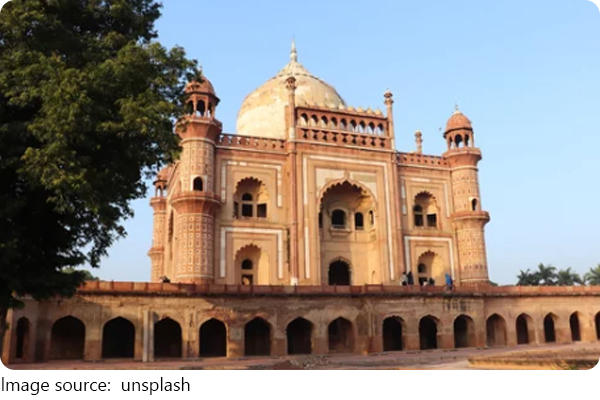
The tomb itself, with its intricate arches, domed structure, and towering minarets, is reminiscent of Humayun's Tomb but has its own unique charm. The central dome is crowned by a marble finial, and the intricate decorative elements such as calligraphy, lattice screens, and floral motifs add a touch of elegance to the monument.
Classical Film Safdarjung Tomb 4K - Cinematic Video
Video by Ashuuuu : )
Things to Do
Wander Through the Charbagh Gardens: Take a peaceful stroll through the beautifully maintained gardens that surround the tomb. The serene environment provides an ideal escape from the fast-paced city life.
Admire the Architecture: Explore the mausoleum up close, and don't forget to look out for the intricate details like the jaali (lattice) work and marble inlays that highlight the craftsmanship of the Mughal era.
Photography Heaven: With fewer crowds than other monuments, the tomb offers great opportunities for photography. The symmetrical design and lush greenery provide a stunning backdrop for that perfect shot.
Learn the History: For history enthusiasts, the tomb provides insights into the fading glory of the Mughal Empire in the mid-18th century. The tomb's architectural style also represents the transitional period from the Mughal to the British era.
Best Time to Visit
Dear Lykkers, To enjoy Safdarjung's Tomb without the crowds and heat, the best time to visit is during the cooler months between October and March. Early mornings and late afternoons are ideal, as the golden sunlight bathes the tomb in a magical glow, making it a photographer's dream.
If you're looking to explore a quieter yet equally impressive slice of Mughal history in New Delhi, the Tomb of Safdarjung is the perfect destination. From its beautiful architecture to the serene gardens, this hidden gem offers a peaceful escape and a glimpse into the rich history of India's capital.
For a history enthusiast, an architecture lover, or just looking for a tranquil place to visit, Safdarjung's Tomb will leave you with lasting memories.