Lotus Temple

Caleb Ryan
| 28-10-2024
 · Travel team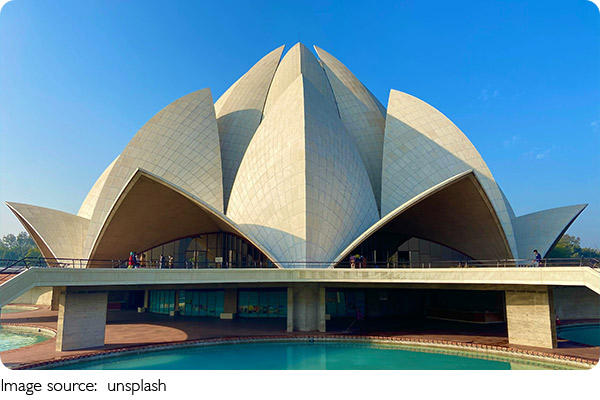
Dear Lykkers! The Lotus Temple, one of India's most iconic architectural marvels, stands as a symbol of peace, unity, and spirituality.
Situated in the bustling capital of New Delhi, this Baháʼí House of Worship attracts millions of visitors each year, all mesmerized by its unique lotus-like design and serene ambiance. Let's dive into the captivating world of the Lotus Temple and uncover its significance and allure.
A Symbolic Masterpiece: The Design of the Lotus Temple
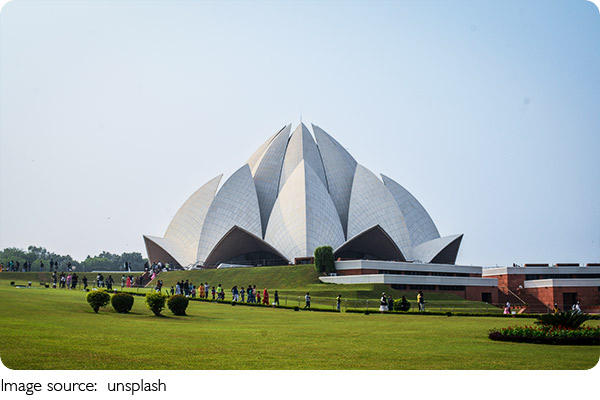
The Lotus Temple's design, inspired by the lotus flower, is a true testament to beauty and ingenuity. The structure comprises 27 free-standing marble-clad "petals" arranged in clusters of three, forming nine sides. This lotus-inspired shape not only honors the flower's significance in various cultures but also represents purity, beauty, and divinity—values central to the Baháʼí Faith.
Architectural Genius
Designed by Iranian architect Fariborz Sahba, the temple was completed in 1986 and has since become a major architectural landmark. Its grandeur lies in the simplicity of its form and the complexity of its construction. The white marble used for the temple was sourced from the Penteli Mountains in Greece, which adds to the temple's serene aura.
Award-Winning Design
The Lotus Temple's exceptional architecture has garnered international acclaim, winning several prestigious awards. Its design has been celebrated not only for its aesthetic beauty but also for its innovative engineering and environmental sustainability, incorporating natural ventilation and lighting systems.
Spiritual Significance: The Baháʼí Faith
The Lotus Temple serves as a Baháʼí House of Worship, welcoming people of all religions and beliefs. The Baháʼí Faith promotes the unity of humanity and the belief in one God who transcends all faiths. The temple is open to everyone, regardless of their religion, caste, or creed, making it a place of spiritual reflection, meditation, and unity.
Documentary II Lotus Temple, New Delhi II Bahai Faith II The Gates of God
Video by Religion World Talks
A Place for All
Unlike traditional places of worship, the Lotus Temple has no idols, icons, or altars. Instead, it provides a space for silent prayer and meditation. This open and inclusive environment reflects the Baháʼí principle of universal brotherhood and peace.
Spiritual Calm in the Heart of the City
Visitors often describe the temple as an oasis of calm amidst the chaos of New Delhi. The tranquil gardens surrounding the temple and the calming interior provide a peaceful retreat for those seeking solitude and spiritual rejuvenation.
Visiting the Lotus Temple
Location and Accessibility
The Lotus Temple is located in the southern part of New Delhi, near the Nehru Place metro station, making it easily accessible for both locals and tourists. Its central location allows visitors to seamlessly combine their visit to the temple with other nearby attractions like Humayun's Tomb and the Qutub Minar.
Entry and Timings
The Lotus Temple is open to visitors from Tuesday to Sunday (closed on Mondays), with entry being free of charge. Visitors are welcome from 9:00 AM to 5:00 PM in winter and from 9:00 am to 7:00 pm in summer. It's advisable to visit early in the morning or late in the afternoon to avoid the crowds.
Best Time to Visit the Lotus Temple
The best time to visit the Lotus Temple is during the cooler months of October to March, as Delhi's weather is more pleasant for sightseeing. The temple looks especially stunning at sunset, when the setting sun casts a golden glow on the marble petals, adding to its ethereal beauty.
Environmental Sustainability: A Green Marvel
The Lotus Temple is not only an architectural wonder but also a model of environmental sustainability. Its design incorporates natural ventilation and lighting, reducing energy consumption. The temple is equipped with solar power, making it one of the earliest buildings in Delhi to use solar energy.
The Lotus Temple stands as a symbol of harmony, unity, and peace in the heart of India's bustling capital. Its awe-inspiring architecture, spiritual openness, and serene environment make it a must-visit destination for travelers seeking beauty and tranquility. Whether you're an architecture enthusiast, a spiritual seeker, or simply a tourist exploring Delhi, the Lotus Temple offers a unique experience that will leave you in awe. Embrace the calm, admire its design, and feel the unity it represents.