Lesser-Known Heritages

Chandan Singh
| 28-10-2024
 · Travel team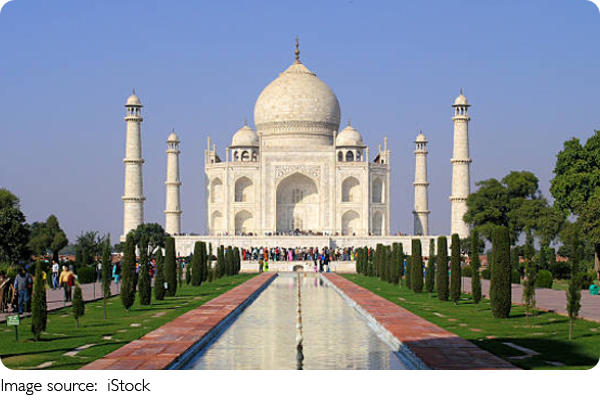
India's architectural wonders are world-renowned, with the Taj Mahal often standing as the most iconic symbol of the country's rich history!
This white marble mausoleum, built by Mughal Emperor Shah Jahan in memory of his beloved wife Mumtaz Mahal, is a masterpiece of Mughal architecture, drawing millions of visitors every year. Alongside other famous monuments like the Qutub Minar, the Taj Mahal is a testament to India's rich cultural and historical heritage.
Yet beyond these well-known sites, India is home to countless lesser-known treasures that are equally deserving of attention. These hidden gems, often overlooked, offer fascinating glimpses into the country's diverse and vibrant past. If you're an offbeat traveler looking to go beyond the usual tourist trails, here are eight lesser-known heritage sites in India that you should explore.
1. Bishnupur, West Bengal
Bishnupur is famous for its unique terracotta temples, built by the Malla rulers between the 17th and 18th centuries. The town is an architectural marvel, showcasing exquisite craftsmanship. The temples, such as the Rasmancha and Jor Bangla, are known for their intricate terracotta sculptures and carvings, representing scenes from Hindu mythology. Bishnupur is also renowned for its traditional Baluchari sarees and classical music.
2. Pattadakal, Karnataka
A UNESCO World Heritage Site, Pattadakal is a treasure trove of ancient Hindu and Jain temples from the 7th and 8th centuries, built during the Chalukya dynasty. The site is a remarkable fusion of Northern and Southern architectural styles, making it unique in the realm of temple construction. Key attractions include the Virupaksha Temple and the Mallikarjuna Temple, known for their stunning sculptures and historical significance.
3. Mandore, Rajasthan
Before Jodhpur became the capital of the Marwar region, Mandore served as the seat of the Marwar kings. The Mandore Gardens house beautifully carved cenotaphs and temples, surrounded by lush greenery. The cenotaphs of the rulers of Marwar, known as Devals, are impressive structures dedicated to their memory. Mandore also has the Hall of Heroes, dedicated to Rajput warriors, and the Shrine of 33 Crore Gods, adding to its cultural richness.
4. Unakoti, Tripura
Unakoti, which translates to "one less than a crore," is an ancient Shaivite site in Tripura. The place is renowned for its massive rock-cut sculptures, dating back to the 7th and 9th centuries. These giant carvings depict deities from Hindu mythology, with the Unakotishwara Kal Bhairava being the most prominent. The lush green surroundings and the sheer scale of the carvings make Unakoti an awe-inspiring heritage site.
5. Champaner-Pavagadh Archaeological Park, Gujarat
This UNESCO World Heritage Site offers a mix of cultural architecture from the 8th to 14th centuries. Located at the base of the Pavagadh Hill, the site includes palaces, mosques, temples, and step-wells. The Jama Masjid and Kalika Mata Temple are must-see attractions here, and the historical remnants provide a fascinating glimpse into medieval India's architectural evolution.
6. Martand Sun Temple, Jammu & Kashmir
The Martand Sun Temple, located near Anantnag in Jammu & Kashmir, is an ancient Hindu temple dedicated to Surya (the Sun God). Built by King Lalitaditya of the Karkota dynasty in the 8th century, the temple is an excellent example of Kashmiri architecture, blending Gandhara, Gupta, and Chinese styles. Although the temple is in ruins today, its massive size and intricate design still leave visitors in awe.
7. Halebidu, Karnataka
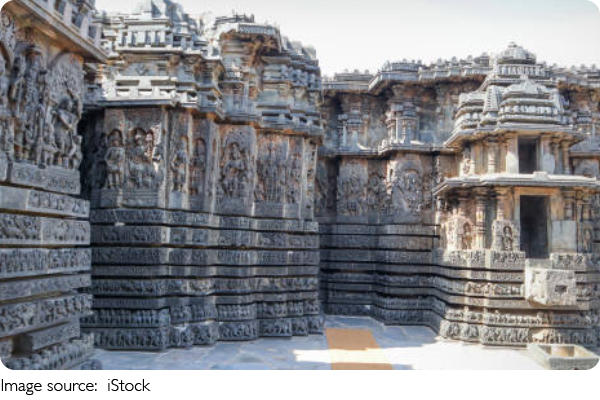
Halebidu, the erstwhile capital of the Hoysala dynasty, is home to stunning temples known for their detailed stone carvings. The Hoysaleswara Temple is the primary attraction, featuring intricate sculptures of deities, animals, and scenes from epics like the Mahabharata. Despite being partially destroyed during invasions, the craftsmanship of the temple's architecture remains one of the finest examples of South Indian temple art.
8. Lothal, Gujarat
Lothal is one of the most important cities of the ancient Indus Valley Civilization, located in present-day Gujarat. It was a thriving port city around 2400 BCE, showcasing the advanced urban planning and engineering skills of the Harappan people. The Lothal Dockyard, one of the world's oldest known docks, and the well-planned drainage system make this archaeological site a remarkable testament to early human civilization in India.
Dear Lykkers, these eight heritage sites, though lesser-known, are rich in history, culture, and architectural splendor. From the terracotta temples of Bishnupur to the ancient Sun Temple of Martand, these sites offer a unique perspective into India's diverse past. If you're a traveler looking to explore offbeat destinations, these hidden gems should definitely be on your travel list!