Viceroys Arch Beauty

Ravish Kumar
| 28-10-2024
 · Travel team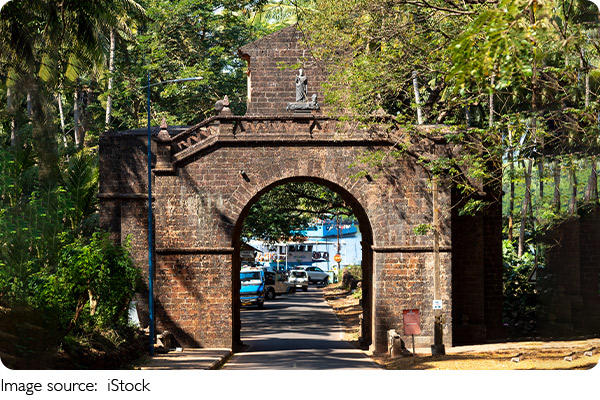
Goa, known for its sandy beaches, vibrant culture, and Portuguese influence, holds many treasures for history buffs.
Among these, the Viceroy's Arch in Old Goa stands as a significant relic that takes you back in time to the grandeur of the Portuguese empire.
Dear Lykkers, located near the Mandovi River, this iconic structure once served as the main entrance to the city and is a must-see for anyone exploring Goa's rich heritage.
How to Reach the Viceroy's Arch
The Viceroy's Arch is located in Old Goa, about 10 kilometers from Panaji, the state capital. You can easily reach the site by bus, taxi, or renting a scooter. A visit to the Viceroy's Arch is usually combined with a tour of Old Goa's other historical attractions, making it a worthwhile stop on your itinerary.
The History Behind Viceroy's Arch
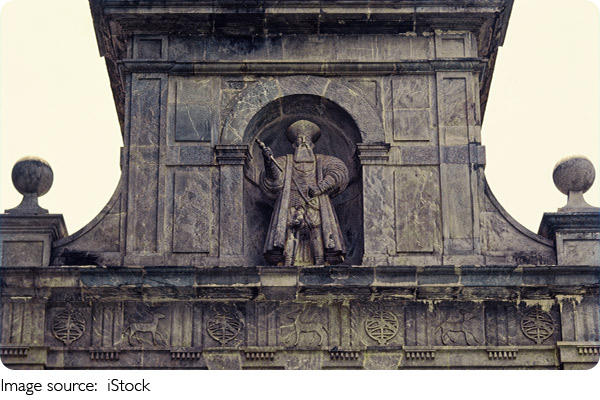
Built in 1599 by Francisco da Gama, the great-grandson of the famed Portuguese explorer Vasco da Gama, the Viceroy's Arch was constructed to honor his ancestor's achievements. Initially, the arch served as the ceremonial gateway through which viceroys would enter Goa after arriving from Portugal. Over the centuries, the arch has undergone multiple renovations, particularly after it was partially destroyed by lightning.
Architectural Highlights
Portuguese Influence
The Viceroy's Arch is an excellent example of the Portuguese Baroque style that characterizes much of Goa's old architecture. It showcases intricate carvings and symbolic features that reflect both Portuguese and local elements.
Vasco da Gama's Statue
One of the most striking features of the arch is the statue of Vasco da Gama, which adorns the side facing the river. The explorer is depicted in regal attire, further emphasizing his monumental contribution to the Portuguese.
Goddess Gajalakshmi
Interestingly, on the opposite side of the arch, facing the city, you will find an image of Gajalakshmi, the Hindu goddess of wealth and prosperity. This blend of spiritual symbols highlights the coexistence of Portuguese and Indian cultures.
Viceroy's Arch, Old Goa
Video by JoeGoaUk
A Gateway to Old Goa's Rich Past
The Viceroy's Arch leads you directly into Old Goa, a UNESCO World Heritage site. Walking through the arch transports you into the historical heart of Goa, where you can explore the remnants of convents and monuments that once made this area the capital of Portuguese India.
The Cultural Significance
The Viceroy's Arch is more than just a monument—it's a symbol of Goa's unique fusion of Indian and Portuguese heritage. For centuries, it stood as a gateway that linked Goa to the rest of the world, welcoming viceroys, dignitaries, and traders who helped shape the state's vibrant culture. Today, it stands as a reminder of a time when Goa was the bustling center of Portuguese trade and governance in India.
Exploring the Area Around Viceroy's Arch
Scenic Views of the Mandovi River
Located near the banks of the Mandovi River, the Viceroy's Arch offers picturesque views of the water and the surrounding greenery. The location makes it a peaceful spot to take a stroll, relax, or click some photographs.
A Gateway to Historical Exploration
After passing through the arch, visitors are just steps away from other iconic landmarks of Old Goa, making it an ideal starting point for a day of exploring the area's rich history.
If you're a history enthusiast or simply love exploring monuments that offer a glimpse into the past, the Viceroy's Arch in Goa should be on your list. It's a testament to the cultural amalgamation that defines Goa. Standing tall amidst the ruins of Old Goa, this iconic gateway beckons visitors to step through and discover the historical treasures beyond.