Electric vs Gas Bikes

James Carter
| 26-01-2026
 · Automobile team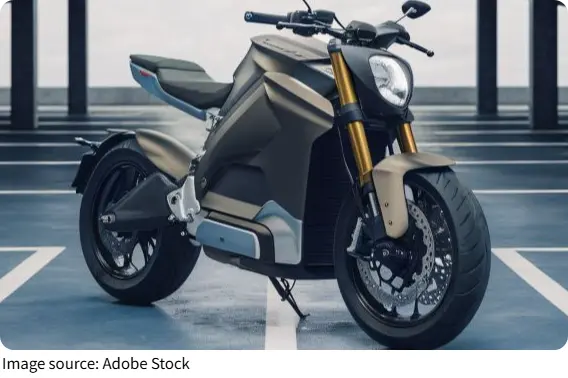
You're standing at a dealership, staring at two motorcycles: one electric, one gas. Both look sleek, both promise freedom on the road, but the choice isn't as simple as picking your favorite color.
Riders today face a real dilemma—should you go for the silent hum of electricity or the roaring tradition of gasoline? Let's explore some differences between electric and gas motorcycles.
Performance and Feel
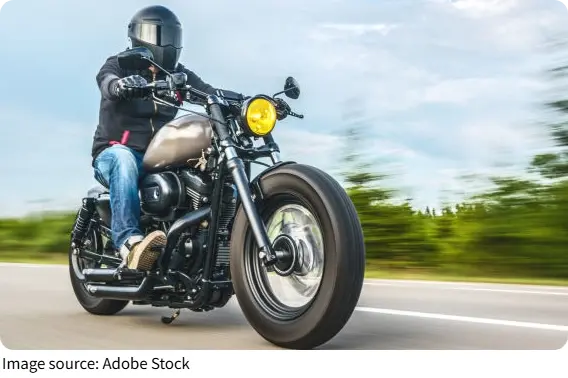
Motorcycles aren't just about transport—they're about experience. Gas bikes have long been known for their growl, the vibration under your seat, and the instant familiarity for riders raised on that classic sound. Electric bikes, in contrast, offer near-silent acceleration and a smoothness that feels almost futuristic.
1. Gas bikes deliver longer riding ranges on a full tank, making them better for long-distance trips.
2. Electric bikes impress with their instant torque—no delay, just quick power from the moment you twist the throttle.
3. The feel is subjective: some riders love the raw feedback of a gas engine, while others appreciate the quiet focus electric rides bring.
Cost of Ownership
When it comes to expenses, the story shifts. Gas bikes are often cheaper upfront. You can buy one without stretching your budget too far, but the fuel and maintenance costs add up over the years. Oil changes, exhaust fixes, and frequent fueling aren't just chores—they're bills.
Electric bikes, while more expensive at purchase, save riders money long-term. Charging is cheaper than filling up, and with fewer moving parts, maintenance costs stay low. No oil changes, no clogged filters—just occasional battery care.
Range and Charging
This is where many riders hesitate. Gas bikes can go 200–300 miles on a tank and refuel in minutes. Electric bikes still face range anxiety, with most offering 100–150 miles per charge depending on speed and terrain. Charging times vary: a quick charger might get you back on the road in under an hour, but a standard outlet could take overnight.
For city commuters, this isn't a dealbreaker. Plugging in at home works fine for daily trips. But if you're planning a cross-country ride, a gas bike still wins for sheer convenience.
Environmental Impact
It's impossible to ignore the eco-angle. Electric motorcycles cut tailpipe emissions entirely. Their clean rides appeal to those who want to reduce their footprint without giving up the thrill of motorcycling. Gas bikes, while still popular, do contribute more emissions, and that's something more riders are factoring into their decisions.
Still, batteries raise their own questions. Producing and recycling them isn't impact-free, but over the lifetime of an electric bike, the overall footprint is typically lower than a gas equivalent.
Culture and Identity
Motorcycles are wrapped up in identity. Gas bikes carry decades of tradition, freedom, and long rides across open highways. Electric bikes are shaping a new culture—tech-driven, futuristic, and connected to urban living. Some riders even see them as statements: not just about transport, but about values.
It comes down to what image you want your ride to reflect. A growling gas bike might say “classic spirit,” while a sleek electric ride might say “forward-looking.” Neither is wrong—they're just different expressions of the same passion.
Which One Fits You?
Think about your habits more than hype.
If you ride long distances, value tradition, and need quick refueling, a gas bike may suit you better.
If you're commuting daily, care about long-term savings, and want quiet, low-maintenance rides, electric bikes make more sense.
If you're drawn to identity, ask yourself what feels closer to your personal statement: the roar of tradition or the hum of innovation?
Choosing between electric and gas motorcycles isn't about one being better—it's about which matches your life. The roads are open either way. What matters most is that your bike, whether buzzing with electrons or roaring with fuel, makes you want to ride more.
Would you like me to expand this piece to the upper range—closer to 800 words—by adding more rider stories or real-world examples?