Superfoods: Truth vs. Hype

Arjun Mehta
| 04-02-2026
 · Cate team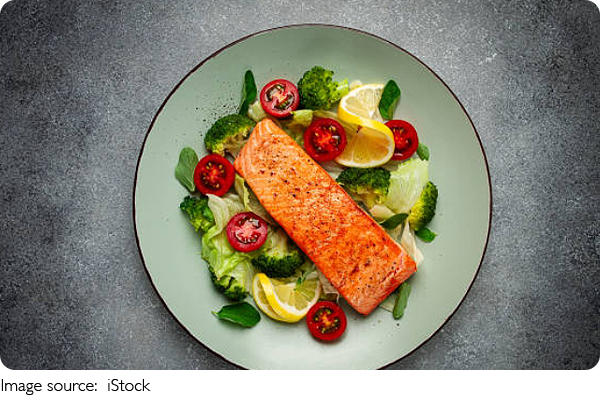
You've probably heard the term “superfoods” thrown around in magazines, social media, and health blogs. But what does it really mean? A superfood is typically a food that's packed with a high concentration of vitamins, minerals, and antioxidants—nutrients that are known to promote health and well-being.
But here's the question: Are these foods truly worth the hype? With so many new "superfoods" emerging in the market, it can be hard to separate the science from the marketing.
Are these foods really more nutrient-dense than the regular fruits and vegetables we already eat, or is it just a clever marketing ploy?
Example: When you think of superfoods, do you picture acai bowls, kale smoothies, and chia seeds? These are all popular superfoods—but are they better than, say, an apple or a simple salad?
Actionable tip: Start by adding one or two superfoods to your diet rather than overloading on them. Superfoods like blueberries, spinach, or almonds can be easy and cost-effective ways to boost your nutrient intake.
The Science Behind Superfoods
The term “superfood” isn't technically a scientific classification, but it does have some merit when it comes to nutrition. Superfoods tend to be rich in compounds like antioxidants, which are substances that help fight inflammation and oxidative stress—two major contributors to chronic disease.
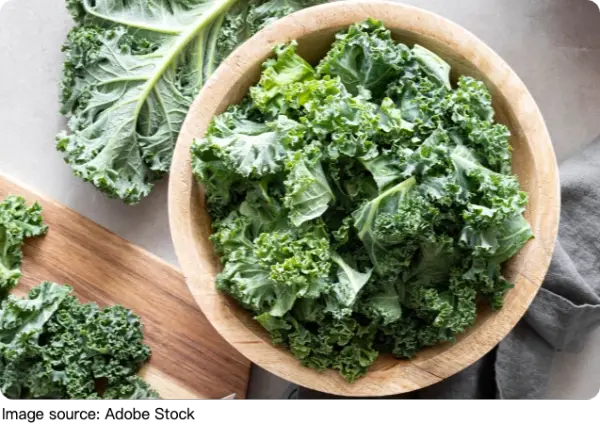
For example, blueberries are often dubbed a superfood because they contain anthocyanins, which are antioxidants known to protect cells from damage. Likewise, kale has high amounts of vitamins A, K, and C, along with fiber that helps support digestive health.
However, the concept of "superfoods" can be misleading. While these foods are nutrient-dense, no single food can make or break your health. A well-rounded diet with a variety of nutrient-rich foods will always be more beneficial than relying solely on a handful of “superfoods.”
Example: While kale is an excellent source of vitamins, it's not a magical cure for health problems on its own. Eating a wide variety of vegetables, fruits, whole grains, and proteins is the real key to good health.
Actionable tip: Rather than focusing on one “superfood,” aim for diversity in your diet. The more colors and textures you incorporate, the better your overall nutrition will be.
Do Superfoods Really Help You Live Longer?
There's no shortage of claims about how superfoods can extend your lifespan or improve your quality of life. While it's true that a diet rich in antioxidants, healthy fats, and fiber is linked to a lower risk of chronic diseases, the idea that a single food can lead to a longer life is oversimplified.
For instance, while eating foods like salmon (rich in omega-3 fatty acids) and green tea (packed with antioxidants) can contribute to heart health, they're only part of the bigger picture. Other lifestyle factors—such as exercise, sleep, and stress management—play a much larger role in longevity and overall wellness.
Example: Superfoods like chia seeds and avocados might be beneficial for heart health, but skipping regular exercise and consuming too many processed foods would counteract any benefits.
Actionable tip: Take a holistic approach to health. Superfoods can support your well-being, but staying active and managing stress are just as important for long-term health.
Are Superfoods Really More Nutritious?
One of the main reasons superfoods have garnered so much attention is due to their nutrient density. But does that mean they're automatically superior to other whole foods? Not necessarily. While many superfoods offer impressive amounts of vitamins and minerals, regular fruits and vegetables can provide similar benefits without the hefty price tag.
Take spinach, for example. It's often considered a superfood due to its high levels of iron, calcium, and vitamins A and K. But guess what? You'll find many of these nutrients in other leafy greens, like romaine lettuce or Swiss chard, which are often much more affordable.
Example: One cup of kale may offer a high concentration of vitamin K, but you can get a similar dose from broccoli or cabbage at a fraction of the cost.
Actionable tip: You don't have to splurge on trendy superfoods. Focus on a variety of affordable, nutrient-dense options like leafy greens, beans, and berries. These can all contribute to a healthy, balanced diet.
The Marketing Hype vs. Reality
The term “superfood” is often used as a marketing tool to sell products. Companies love to promote foods like acai, quinoa, or spirulina as "superfoods" to boost their appeal and price point. And while some of these foods are indeed nutritious, the label itself doesn't necessarily mean they are drastically better than other healthy foods.
Moreover, many superfoods are heavily processed or come in supplement form, which can remove away their natural nutrients. The best way to get the benefits of superfoods is by eating them in their whole, natural form.
Example: Acai berries are often found in powder form in health smoothies, but the powdered version may have lower levels of antioxidants compared to fresh acai berries.
Actionable tip: When shopping for superfoods, choose whole-food options like fresh fruits, vegetables, and nuts rather than supplements or processed versions.

The Bottom Line: Should You Jump on the Superfood Bandwagon?
Superfoods certainly have their place in a balanced diet, but they shouldn't be treated as the cure-all for health and longevity. While foods like blueberries, spinach, and chia seeds are packed with nutrients, they work best as part of an overall healthy eating plan, not as isolated “miracle foods.”
Rather than focusing too much on the latest superfood trend, focus on eating a wide variety of whole, nutrient-rich foods. Healthy eating is about balance, diversity, and consistency, not relying on a handful of trendy superfoods.
Actionable tip: Experiment with different superfoods in your diet, but make sure you're not neglecting the other essentials—whole grains, lean proteins, healthy fats, and plenty of vegetables. The goal is a well-rounded, enjoyable diet that supports long-term health.
While superfoods like kale, blueberries, and chia seeds are undeniably packed with beneficial nutrients, the real “super” power lies in a balanced and varied diet. Instead of chasing expensive trends, focus on filling your plate with a rainbow of fruits, vegetables, whole grains, and lean proteins. The most sustainable path to wellness isn't found in a single ingredient, but in consistent, wholesome eating habits. So, enjoy those nutrient-dense superstars, but remember: the foundation of true health is built on diversity, not dogma.