Perfect Homemade Macarons

Mukesh Kumar
| 04-02-2026
 · Cate team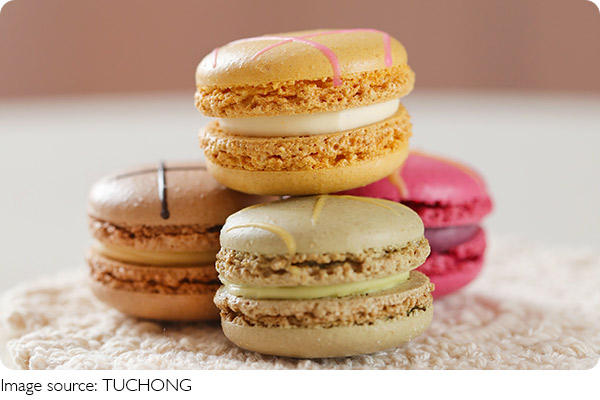
There's a certain magic in biting into a macaron—the crisp exterior giving way to a soft, chewy interior, with a flavorful cream in the middle. Making macarons at home can seem intimidating, but with attention to detail and patience, you can create these delicate French treats that impress both visually and in taste.
Understanding the ingredients, proper technique, and baking nuances is key to achieving that coveted smooth shell and perfect “foot.”
Ingredients You'll Need
Macarons rely on simple ingredients, but quality and precision make all the difference.
1. Almond Flour – 1 cup, finely ground. Sift it to remove lumps and ensure a smooth shell. Coarse flour can create bumpy surfaces.
2. Powdered Sugar – 1 cup. Mixing this with almond flour helps create a silky, stable batter.
3. Egg Whites – 3 large, aged at room temperature. Aging egg whites for 24 hours can help them whip better, producing a stable meringue.
4. Granulated Sugar – ¼ cup, to stabilize the meringue and add sweetness.
5. Food Coloring – Optional, a few drops to create vibrant macarons. Gel or powdered coloring works best to avoid altering batter consistency.
6. Filling – Buttercream, ganache, or jam, depending on preference. About ½ cup is needed to sandwich 24 shells.
Preparing the Meringue
A stable meringue is the backbone of macarons, providing structure and height.
1. Whip Egg Whites – Using a clean, grease-free bowl, beat egg whites until foamy. Gradually add granulated sugar while continuing to whip until stiff, glossy peaks form. A stiff peak holds its shape and doesn't collapse when you lift the whisk.
2. Add Color – If using food coloring, add it at this stage. Mix gently to avoid deflating the meringue. For example, a few drops of pink gel coloring can create pastel pink shells.

Folding in Dry Ingredients
Proper folding ensures smooth batter without deflating the meringue.
1. Combine Almond Flour and Powdered Sugar – Sift together to avoid lumps.
2. Macaronage – Gradually fold dry ingredients into the meringue using a spatula. Mix in a circular motion and gently scrape the sides. Batter should flow like lava, slowly dropping from the spatula without being runny.
3. Test Consistency – Lift a spatula and let the batter fall back into the bowl. It should form a thick ribbon that dissolves after a few seconds, indicating proper macaronage.
Piping and Resting
Shaping and drying are crucial for uniform shells and a proper “foot.”
1. Pipe onto Baking Sheet – Use a piping bag fitted with a round tip. Pipe small rounds, about 1.5 inches in diameter, leaving space for spreading.
2. Tapping and Resting – Tap the tray lightly on the counter to release air bubbles. Let shells rest at room temperature for 30–60 minutes until a thin skin forms. Touch lightly; batter shouldn't stick to your finger. This helps create smooth tops and prevents cracks during baking.
Baking the Macarons
Temperature and timing are key to developing that delicate crust and chewy interior.
1. Preheat Oven – Set to 300°F (150°C). Temperature accuracy is critical; too hot or too low can ruin texture.
2. Bake – Place tray in the center of the oven and bake for 14–16 minutes. Rotate halfway for even baking. Shells should rise slightly and develop the classic ruffled “foot.”
3. Cooling – Remove and let cool completely on the tray before attempting to lift. Rushing this step can split the shells.
Preparing the Filling
The filling adds flavor and keeps macarons tender.
1. Buttercream – Whip softened butter with powdered sugar and a splash of vanilla until creamy. Adjust sweetness as desired.
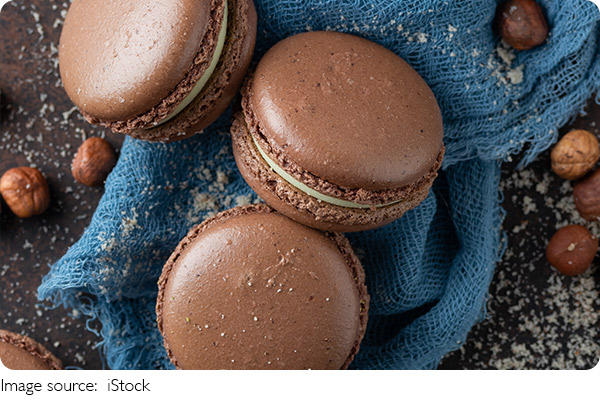
2. Ganache – Heat cream and pour over chopped chocolate, stirring until smooth. Allow to cool slightly before piping.
3. Filling Assembly – Pipe a small dollop onto one shell and gently sandwich with a second. Press lightly to spread filling evenly.
Final Tips and Storage
1. Age for Flavor – Refrigerate assembled macarons for 24 hours to allow flavors to meld. Bring to room temperature before serving.
2. Storage – Keep in an airtight container for up to 3 days. For longer storage, freeze for up to 1 month and thaw at room temperature before serving.
3. Experiment with Flavors – Incorporate matcha, raspberry, or lemon zest into shells or fillings for variety. Start with small batches to master technique.
Creating macarons at home may seem challenging, but with practice, attention to detail, and patience, you can achieve smooth, delicate shells with flavorful fillings. The process—from whipping meringue to piping and baking—is a rewarding journey that results in elegant, bite-sized treats perfect for gifts, parties, or simply indulging yourself.