Fresh Veggie Wraps

Camille Dubois
| 21-04-2026
 · Cate team
There's something satisfying about a meal you can hold in your hand, especially when it's packed with vibrant vegetables.
Fresh veggie wraps are not only colorful and crunchy but also versatile, letting you mix and match flavors to suit your mood or pantry. They're perfect for a quick lunch, picnic, or even as a light dinner.
Choosing the Right Wrap
The wrap you pick sets the stage for your fillings. Flour tortillas, whole grain wraps, or large leafy greens like romaine or collard leaves all work beautifully.
Tips:
1. Use a soft tortilla to prevent tearing when rolling.
2. For leafy greens, gently steam or blanch tougher leaves to make them pliable.
3. Lightly warm the wrap to enhance flexibility and flavor.
Actionable example: Lay a spinach tortilla on a clean surface and warm it in a skillet for 15 seconds on each side to make rolling easier without drying it out.
Layering Your Ingredients
Proper layering keeps each bite balanced and prevents sogginess. Start with spreads, then add vegetables, and finally any protein or seeds.
Tips:
1. Spread hummus or a thin layer of cream cheese to add moisture and help hold the veggies in place.
2. Alternate textures—crunchy cucumber slices, soft avocado, and crisp bell pepper strips.
3. Add a touch of fresh herbs like cilantro or basil for flavor bursts.
Actionable example: Spread a tablespoon of herbed cream cheese, then layer shredded carrots, thin cucumber slices, and avocado strips before adding a sprinkle of pumpkin seeds.
Adding Protein and Extras
Even vegetarian wraps benefit from a protein boost, which makes them more filling. Options include beans, roasted chickpeas, or cheese. Seeds and nuts can also add crunch and nutrition.
Tips:
1. Sprinkle sunflower or flax seeds for added protein and texture.
2. Add a few slices of smoked tofu or a boiled egg for extra protein.
3. Keep dressings light to avoid making the wrap soggy.
Actionable example: Top your vegetable layers with a few roasted chickpeas and a light drizzle of tahini for a nutty, satisfying flavor.
Rolling and Securing
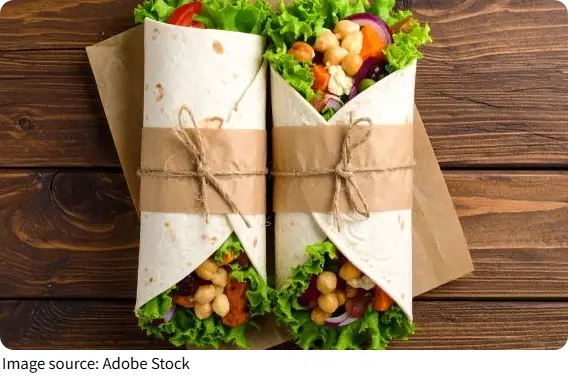
A properly rolled wrap keeps all ingredients inside and ensures even bites. Start at one edge, fold the sides inward, and roll tightly but gently.
Tips:
1. Don't overfill, or the wrap may split when rolled.
2. Use parchment paper or foil to secure the roll for transport.
3. Slice diagonally for a visually appealing presentation.
Actionable example: Fold the sides of a tortilla over the filling, then roll from the bottom up, tucking in as you go. Wrap it in parchment to hold it in place until serving.
Creative Flavor Combos
Mixing unexpected flavors keeps your wraps exciting and prevents monotony. Sweet, savory, and tangy elements can harmonize beautifully.
Tips:
1. Try apple slices with sharp cheddar and arugula for a sweet-savory combo.
2. Roasted red pepper with feta and spinach adds a Mediterranean flair.
3. Add a touch of citrus or balsamic drizzle for brightness.
Actionable example: Spread hummus, layer roasted zucchini, red bell pepper, and arugula, then finish with a few drops of balsamic glaze for an elegant flavor profile.
Storage and On-the-Go Tips
Wraps are ideal for meal prep but need proper storage to stay fresh and crisp.
Tips:
1. Wrap tightly in parchment and store in the fridge for up to 24 hours.
2. Keep wet ingredients like tomatoes separate until serving if making in advance.
3. Cut diagonally just before eating to maintain structure and presentation.
Actionable example: Prepare several wraps with spreads and veggies, wrap individually in parchment, and pack in a lunchbox with an ice pack for a fresh, portable meal.
Fresh veggie wraps are a perfect blend of convenience, flavor, and nutrition. Experimenting with different ingredients turns a simple wrap into a personal masterpiece. Whether for a quick lunch or a light dinner, these wraps remind us that eating healthy can be colorful, fun, and satisfying.