Nasi Tumpeng Delights

Amina Hassan
| 03-02-2026
 · Cate team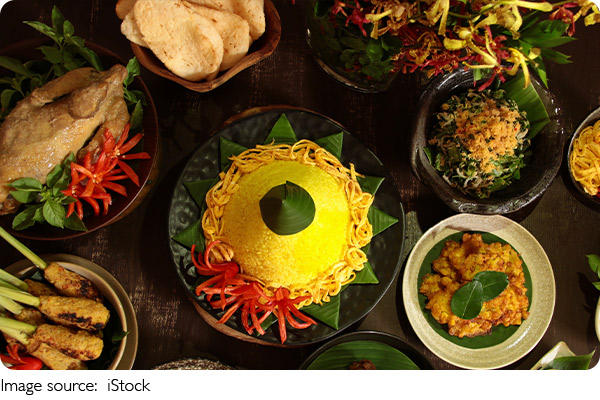
The first time you see a perfectly shaped cone of rice surrounded by colorful sides, it's hard not to pause and admire it.
Nasi tumpeng isn't just a meal; it's a centerpiece that brings people together. Beyond its striking appearance, it offers a harmonious mix of flavors, textures, and nutrients.
Learning how to prepare it transforms a simple gathering into a celebratory experience.
Choosing the Right Rice Base
Select aromatic or long-grain rice
Color and flavor options
Cooking for perfect texture
1. The rice is the foundation of nasi tumpeng. Long-grain or aromatic rice works best for a light, fluffy cone.
2. Saffron or annatto can be added during cooking to give the rice a vibrant yellow color and subtle flavor.
3. Proper cooking ensures each grain remains separate, which helps maintain the cone's structure when molded.
Actionable example: Rinse the rice three times before cooking to remove excess starch, then simmer with a pinch of annatto powder and a small amount of coconut milk for a fragrant, golden base.
Molding the Tumpeng Cone
Use a sturdy mold or banana leaves
Ensure even packing
Keep the cone stable
1. A tumpeng cone can be shaped using a mold or by hand with banana leaves for support.
2. Lightly pack the rice to maintain the cone's form without compressing it too tightly.
3. Keep the base flat and firm to avoid tipping when placed on the serving tray.
Actionable example: Line a small, heatproof bowl with a banana leaf, fill it with rice, press gently, then invert onto a platter for a stable, neatly shaped cone.
Preparing Colorful Side Dishes
Include proteins, vegetables, and eggs
Balance flavors and textures
Cut and arrange neatly
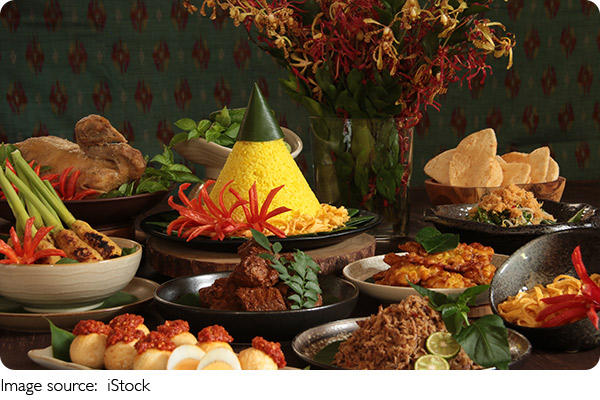
1. Side dishes bring variety and balance. Options include sautéed vegetables, spiced tofu, boiled or fried eggs, and tempeh or seafood alternatives.
2. Contrast textures by combining crunchy vegetables, soft proteins, and tender rice.
3. Arrange sides in a circular pattern around the cone to highlight color and symmetry.
Actionable example: Stir-fry green beans and carrots in light seasoning, then place them in neat bundles around the cone to create a visually appealing ring of color.
Adding Garnishes and Finishing Touches
Fresh herbs and edible flowers
Sliced chilies or peppers
Enhance presentation and aroma
1. Garnishes elevate the tumpeng from simple to festive. Fresh herbs like coriander, parsley, or sliced scallions add color and fragrance.
2. Small slices of chilies or bell peppers can introduce pops of red and orange.
3. Arrange garnishes thoughtfully to avoid overcrowding and to highlight the cone.
Actionable example: Top the tumpeng with a single edible flower or a small sprig of coriander for an eye-catching centerpiece.
Serving and Sharing Nasi Tumpeng
Respectful presentation
Encourage sharing
Pair with sauces or dips
1. Nasi tumpeng is often served as a communal dish. Place it in the center of the table for easy access.
2. Encourage guests to take a portion of the cone first, then distribute side dishes evenly.
3. Include light dipping sauces, like a tangy or savory dressing, to enhance flavors.
Actionable example: Provide small bowls of a mild, tangy coconut-based sauce next to the tumpeng. This allows each guest to adjust flavor to taste while preserving the visual presentation.
Creating nasi tumpeng is as much about the visual and social experience as it is about taste. From selecting the right rice to arranging sides and garnishes, every step adds to the dish's charm. With careful preparation, you can turn an ordinary meal into a lively, festive centerpiece that brings people together and showcases the beauty of thoughtful presentation.