Power of Potatoes

Arjun Mehta
| 04-02-2026
 · Cate team
It's easy to overlook the potato. Mashed, roasted, or baked, it often plays second fiddle on the plate.
But beneath its simple exterior, potatoes are packed with nutrients that support energy, digestion, immunity, and more. Exploring how they work can change the way you see this versatile tuber—and how you prepare it.
Rich Source of Energy
Complex carbohydrates
Slow-release energy
Supports active lifestyles
1. Potatoes are high in complex carbohydrates, the body's preferred energy source.
2. The starch in potatoes breaks down gradually, offering slow-release energy that avoids sudden spikes and crashes.
3. This makes them ideal for people with active lifestyles or long workdays.
Actionable example: Roast potatoes with a drizzle of olive oil and herbs for a pre-hike meal. The slow-digesting carbs give sustained energy for outdoor activity.
Supporting Digestive Health
High in fiber
Promotes gut health
Prevents constipation
1. Potatoes, especially with skins, provide both soluble and insoluble fiber that aid digestion.
2. Fiber feeds beneficial gut bacteria, supporting overall gut health.
3. Regular consumption can help maintain smooth bowel movements and prevent bloating.
Actionable example: Include small chunks of potato in soups or stews with the skin on. This adds texture and fiber, supporting digestion naturally.
Boosting Immunity
Vitamin C content
Antioxidant compounds
Supports tissue repair
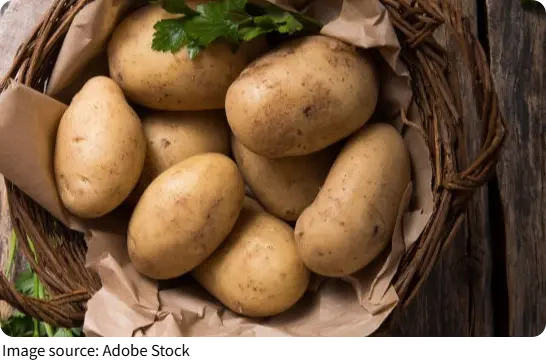
According to researchers Hanjo Hellmann, a Professor in the School of Biological Sciences at Eberhard Karls University of Tübingen, potato tubers contain a variety of antioxidant compounds — including vitamins such as vitamin C and carotenoids — which contribute to their nutritional value beyond starch and may support overall health when included as part of a balanced diet.
1. Potatoes contain vitamin C, which is essential for immune cell function and tissue repair.
2. Antioxidants like carotenoids and flavonoids help reduce oxidative stress.
3. Including potatoes in meals can complement other vitamin-rich foods for a stronger immune system.
Actionable example: Make a hearty potato and vegetable mash, combining vitamin-rich carrots and broccoli with potato for a nutrient-packed dish.
Heart Health Benefits
Potassium-rich
Low in sodium naturally
Supports blood pressure
1. Potatoes are high in potassium, which helps regulate blood pressure and supports proper heart function.
2. Naturally low in sodium, they reduce strain on the cardiovascular system when prepared without excess salt.
3. Their fiber content also contributes to lower cholesterol levels over time.
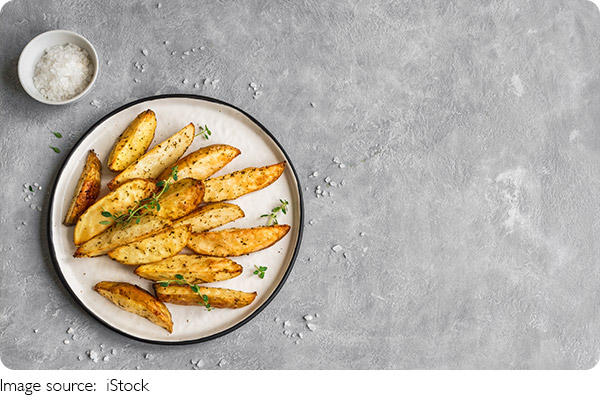
Actionable example: Roast potato wedges with a sprinkle of paprika and garlic instead of salt. This provides flavor while keeping them heart-friendly.
Enhancing Satiety and Weight Management
Filling but low-calorie
High water content
Reduces overeating
1. Potatoes are naturally filling, helping to curb hunger between meals without adding excessive calories.
2. Their high water content contributes to volume and satiety.
3. Eating them as part of balanced meals can help control portion sizes and prevent unnecessary snacking.
Actionable example: Combine boiled potatoes with a fresh salad of greens and cherry tomatoes. This creates a satisfying, low-calorie meal that keeps you full longer.
Versatility in Meal Planning
Multiple cooking methods
Pairs with various ingredients
Adapts to different flavors
1. Potatoes can be boiled, roasted, baked, or steamed, adapting to various textures and flavors.
2. They pair well with herbs, spices, vegetables, and protein sources, enhancing meal variety.
3. Their mild flavor makes them a versatile ingredient for both main dishes and sides.
Actionable example: Try baked potato halves topped with sautéed mushrooms, spinach, and a touch of olive oil. This transforms a simple potato into a flavorful, nutrient-dense dish.
Potatoes are more than comfort food—they are a nutrient-packed tuber that fuels energy, supports digestion, boosts immunity, and promotes heart health. By exploring different cooking methods and pairing them with other nutrient-rich foods, potatoes can become a central part of a balanced, wholesome diet. Next time you see a potato on your plate, think of the silent powerhouse it truly is.