Perfect Homemade Macarons

Caleb Ryan
| 03-02-2026
 · Cate team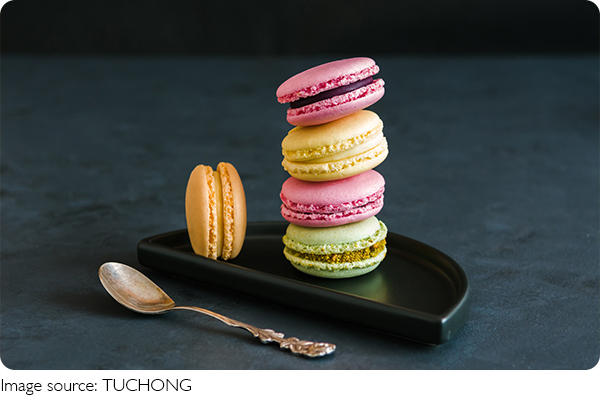
There's a little thrill in biting into a macaron—the crisp shell gives way to a soft, chewy interior, and a burst of flavor fills your mouth.
Making macarons at home may seem intimidating, but understanding the steps and paying attention to details can turn it into a fun and rewarding experience.
Once you master the basics, you can experiment with colors, flavors, and fillings, creating a dessert that's as beautiful as it is delicious.
Choosing Ingredients Carefully
Almond flour
Egg whites at room temperature
Fine sugar
1. Use finely ground almond flour to ensure a smooth macaron shell. Coarse flour can create a bumpy surface.
2. Egg whites should be aged and at room temperature for better whipping and stability.
3. Superfine sugar dissolves quickly and helps create a glossy, smooth shell.
Actionable example: Measure almond flour and sift it at least twice to remove clumps, ensuring each macaron shell is uniform and smooth.
Preparing the Meringue
Whipping egg whites
Adding sugar gradually
Checking peaks
1. Whip egg whites until soft peaks form, then gradually add sugar to achieve a glossy, stiff meringue.
2. Stiff peaks are key; the meringue should hold its shape without being dry or grainy.
3. Over or under-whipping can ruin the texture, leading to cracked or flat shells.
Actionable example: Use a stand mixer and whip egg whites on medium speed, adding sugar slowly until the meringue forms firm, shiny peaks that stand straight when the whisk is lifted.
Folding in Dry Ingredients
Combine gently
Use the macaronage technique
Consistency matters
1. Sift almond flour and powdered sugar, then fold them into the meringue using a spatula.
2. The macaronage technique involves gentle folding to avoid deflating the meringue while still achieving a smooth, flowing batter.
3. The right consistency is reached when the batter flows slowly like lava and spreads slightly when dropped.
Actionable example: Lift the spatula and let the batter fall back into the bowl; it should slowly merge back into the mixture in about 10 seconds.
Piping and Resting
Use a piping bag
Form even circles
Rest for skin formation
1. Fit a piping bag with a round tip and pipe small, consistent circles onto a parchment-lined baking sheet.
2. Tap the tray gently to remove air bubbles.
3. Let the piped macarons rest at room temperature until a thin skin forms on top, usually 20–40 minutes.
Actionable example: Lightly press the tray on the countertop after piping and use a toothpick to pop any air bubbles on the surface to avoid hollow shells.
Baking the Macarons
Preheat oven
Bake at even temperature
Check doneness
1. Preheat the oven to 150–160°C (300–320°F) for even cooking.
2. Bake macarons for 12–16 minutes, depending on size and oven accuracy.
3. The shells should be firm with “feet” at the base, a slight shine, and no cracking.
Actionable example: Bake one test sheet first to adjust timing and temperature for your specific oven, ensuring consistent results.
Filling and Storing
Choose flavorful fillings
Sandwich carefully
Mature for better taste
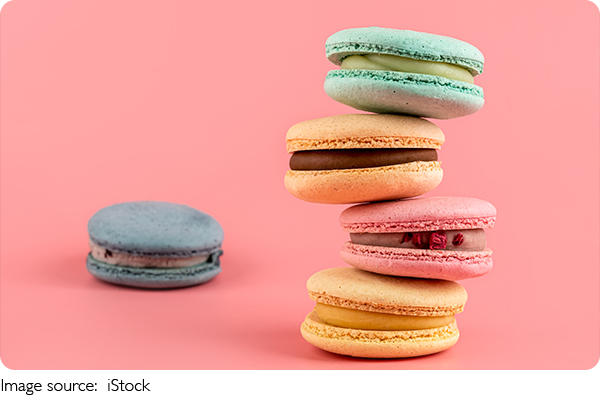
1. Popular fillings include buttercream, ganache, or jam. Choose flavors that complement the shell.
2. Pair similar-sized shells and pipe a small amount of filling in the center, then gently press to form a sandwich.
3. Macarons improve in texture and flavor after resting 24 hours in an airtight container in the refrigerator.
Actionable example: Fill shells with chocolate ganache and refrigerate for 24 hours before serving; this allows the flavors to meld and the texture to soften slightly for a perfect bite.
Baking macarons is a delicate but rewarding process. Attention to ingredient quality, meringue consistency, and baking technique transforms simple components into an elegant, melt-in-your-mouth treat. Once you master the basic steps, experimenting with colors, flavors, and fillings turns your kitchen into a miniature patisserie, delighting friends, family, or even just yourself with these beautiful, delectable cookies.