Easy Rice Bowl Bento

Amit Sharma
| 21-04-2026
 · Cate team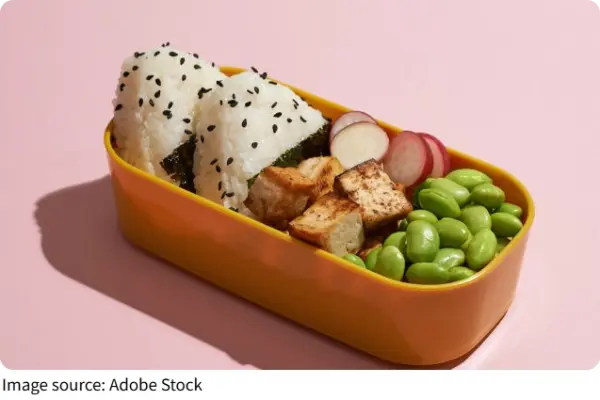
It's funny how a plain bowl of rice can suddenly feel exciting when you layer in fresh ingredients and flavors. That's the charm of a rice bowl bento—it's versatile, visually appealing, and satisfying without being heavy. With the right prep, you can turn leftovers or pantry staples into a meal that feels thoughtful and complete.
The key is balance: grains, protein alternatives, vegetables, and a touch of seasoning can make a simple lunch feel special.
Choosing the Right Rice
1. Medium-grain rice works best for sticky, compact bowls.
2. Short-grain rice is softer and clumps nicely, ideal for pressing into containers.
3. Rinsing rice removes excess starch for a cleaner, lighter texture.
Actionable example: Rinse rice under cold water until the water runs clear. This prevents clumping and keeps each grain distinct while still sticky enough to hold toppings.
Adding a Protein Alternative
1. Eggs are simple and quick—boiled, scrambled, or shaped as omelets.
2. Tofu or tempeh can be marinated and lightly pan-fried for flavor.
3. Legumes like chickpeas or lentils work if you want a plant-based option.
Actionable example: Pan-fry cubed tofu with a light soy or sesame dressing for 5–7 minutes until edges are golden. It adds both color and bite to your bento.
Vegetables for Color and Crunch
1. Raw vegetables like bell peppers or cucumber give crisp freshness.
2. Steamed or roasted vegetables add warmth and depth.
3. Pickled vegetables introduce tang and brightness.
Actionable example: Steam carrot and broccoli florets for 3–4 minutes to maintain crunch and vibrant color. Lightly drizzle with sesame oil for added aroma.
Incorporating Flavor Layers
1. Simple sauces like soy, sesame, or miso dressings complement rice without overpowering.
2. Sprinkle seeds, herbs, or nori strips for aroma and texture.
3. Acidic elements like lemon juice or rice vinegar brighten flavors.
Actionable example: Mix a teaspoon of sesame oil with a pinch of salt and drizzle over cooked vegetables before adding to the bowl. This adds subtle flavor without weighing down the dish.
Layering Your Rice Bowl
1. Start with a base of rice, slightly compacted to support toppings.
2. Arrange protein, vegetables, and optional pickles in sections or stripes.
3. Keep sauces on the side or lightly drizzled to prevent sogginess.
Actionable example: Place cooked rice at the bottom, then arrange tofu on one side, vegetables on another, and a small portion of pickled vegetables in between. This keeps flavors distinct and visually appealing.
Optional Extras for Interest
1. Add nuts, seeds, or roasted chickpeas for crunch.
2. Fresh herbs like cilantro or parsley introduce a clean aroma.
3. Sprinkle toasted sesame seeds for mild nuttiness.
Actionable example: Toast sesame seeds lightly in a dry pan for 1–2 minutes and sprinkle over the top just before serving to bring out aroma and texture.
Packing and Serving Tips
1. Use a tight-fitting container to keep layers intact.
2. Pack sauces separately if the bento will travel.
3. Let rice cool slightly before adding toppings to prevent steam from wilting vegetables.
Actionable example: Allow the rice to cool for 5–10 minutes before packing. Then layer tofu and vegetables, topping with sesame seeds just before eating to maintain crispness.
A rice bowl bento is more than convenience—it's a small, personal way to enjoy a balanced meal with variety in each bite. By thinking about texture, color, and flavor, even simple ingredients transform into a meal that feels thoughtfully prepared. With practice, each bowl becomes a canvas for creativity and taste, making lunchtime something to look forward to.