Flaky Puff Pastry Treats

Chandan Singh
| 03-02-2026
 · Cate team
You know that quiet crackle when you bite into a good puff pastry? It's light, crisp, and somehow melts at the same time.
Puff pastry treats feel impressive, but most of the magic comes from patience and a few repeatable steps.
You don't need special equipment or years of practice. Once you understand how layers form and how heat works, puff pastry becomes something you can confidently make and shape at home.
What Makes Puff Pastry Special
Layered texture
Light crispness
Simple ingredients
1. Puff pastry relies on layers of dough and butter rather than yeast.
2. When baked, moisture turns to steam and pushes the layers apart.
3. This creates height and flakiness without added leavening.
Actionable example: If your pastry comes out flat, the butter likely softened too much. Keep it cold so steam can form properly during baking.
Basic Ingredients You'll Need
Cold butter
Plain flour
Chilled water
1. Butter provides structure and flavor.
2. Flour forms the dough layers that hold steam.
3. Cold water keeps the dough firm during mixing.
Actionable example: Cut butter into cubes and chill them for 10 minutes before starting. Cold butter is easier to laminate and less likely to leak.
Making the Dough Base
Firm texture
Clean layers
Easy rolling
1. Mix flour and salt, then add cold butter.
2. Toss butter gently to coat without fully blending.
3. Add water gradually until the dough just comes together.
Actionable example: Stop mixing as soon as the dough holds when pressed. Overworking at this stage will reduce flakiness later.
The Folding Technique That Creates Layers
Visible layers
Even rise
Controlled structure
1. Roll dough into a rectangle.
2. Fold into thirds like a letter.
3. Chill, then repeat the process several times.
Actionable example: After each fold, turn the dough 90 degrees before rolling again. This keeps layers even and prevents uneven puffing.
Resting Time Is Not Optional
Butter stability
Dough relaxation
Better shape
1. Resting allows gluten to relax.
2. Cold rests prevent butter from melting.
3. Dough becomes easier to roll evenly.
Actionable example: Chill the dough for at least 20 minutes between folds. If your kitchen is warm, extend resting time slightly.
Shaping Simple Puff Pastry Treats
Easy forms
Clean edges
Consistent baking
1. Cut the dough with a sharp pastry cutter or straight-edged scraper to preserve the layers.
2. Avoid twisting or pressing edges.
3. Leave space between pieces on the tray.
Actionable example: For simple squares, cut evenly sized pieces and lightly score the surface without cutting through. This guides the rise neatly.
Basic Puff Pastry Filling Ideas
Sweet balance
Light texture
Clean flavors
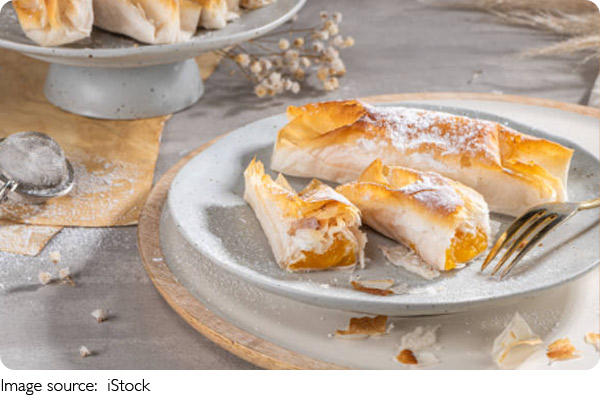
1. Fruit slices with a sprinkle of sugar.
2. Jam spread thinly to avoid sogginess.
3. Cream-based fillings added after baking.
Actionable example: If using jam, spread no more than one teaspoon per piece and keep it centered to prevent leaks.
Baking for Maximum Flakiness
High heat
Fast lift
Golden finish
1. Hot ovens create steam quickly.
2. Early heat sets the layers before butter melts fully.
3. Even browning indicates full baking.
Actionable example: Bake at 200°C (390°F) and avoid opening the oven for the first 15 minutes. This prevents heat loss and uneven rise.
Cooling and Serving Tips
Crisp texture
Clean layers
Better flavor
1. Cooling allows steam to escape.
2. Cutting too early can collapse layers.
3. Pastry firms up as it rests.
Actionable example: Let pastries cool on a rack for at least 10 minutes before serving. This keeps the base crisp instead of soggy.
Puff pastry treats reward patience more than skill. Each fold, rest, and chill builds toward that final crisp bite. Once you've made it a few times, the process feels rhythmic rather than complicated. These are the kinds of pastries that look impressive on a plate but come from calm, repeatable steps. When you hear that first crunch, you'll know the layers did exactly what they were meant to do.