Perfect Blueberry Cake

Chris Isidore
| 04-02-2026
 · Cate team
The smell of a blueberry cake baking can slow a morning down in the best way. It's the kind of cake people cut “just a small slice” of, then quietly go back for another.
A good blueberry cake isn't about layers or decoration. It's about getting the texture right, keeping the fruit juicy without sinking, and making something that tastes comforting even the next day.
Once you understand how the pieces work together, blueberry cake becomes one of the easiest bakes to get right consistently.
Why Blueberries Change a Cake
Moist crumb
Natural sweetness
Bright flavor
1. Blueberries release moisture as they bake, which can soften the crumb and keep the cake from drying out.
2. Their natural acidity balances sweetness, so the cake doesn't taste flat.
3. Whole berries create pockets of flavor instead of one uniform taste.
Actionable example: If your past blueberry cakes felt dense, reduce liquid slightly and rely on the berries for moisture instead. A 2–3 tablespoon reduction in milk often makes a noticeable difference.
Choosing the Right Blueberries
Fresh texture
Consistent baking
Flavor control
1. Fresh blueberries hold their shape better and bleed less into the batter.
2. Frozen blueberries work well, but they should be used straight from the freezer.
3. Smaller berries distribute more evenly and reduce soggy spots.
Actionable example: If using frozen berries, add them at the very last moment and fold gently. This limits streaking and keeps the batter structure intact.
Building the Batter Properly
Even rise
Soft interior
Clean slices
1. Creaming butter and sugar introduces air, which helps the cake rise evenly.
2. Eggs should be added one at a time to avoid splitting the mixture.
3. Flour should be mixed only until combined to prevent toughness.
Actionable example: After adding flour, stop mixing as soon as you no longer see dry patches. Overmixing by even 30 seconds can change the final texture.
Keeping Blueberries From Sinking
Even distribution
Better appearance
Balanced bites
1. Tossing berries with a small amount of flour helps them grip the batter.
2. Using a slightly thicker batter gives berries more support.
3. Holding some berries back to sprinkle on top improves visual balance.
Actionable example: Coat berries with about 1 teaspoon of flour per cup of fruit. Shake off excess before folding them in.
Baking Temperature Matters More Than Time
Stable rise
Moist center
Golden surface
1. Moderate heat allows the cake to rise before setting.
2. Too high a temperature cooks the outside faster than the center.
3. A steady oven prevents collapse after baking.
Actionable example: Bake at 170°C (340°F) and start checking doneness at 45 minutes. A toothpick should come out with a few soft crumbs, not wet batter.
Cooling Is Part of the Recipe
Cleaner cuts
Set structure
Better flavor
1. Cooling allows starches to firm up and hold the cake together.
2. Cutting too early releases steam and causes crumbling.
3. Flavor becomes more balanced after resting.
Actionable example: Let the cake cool in the pan for 10 minutes, then cool completely on a rack before slicing.
Simple Variations That Still Work
Flavor flexibility
Texture control
Repeatable results
1. Add lemon zest for brightness without changing structure.
2. Swap part of the milk with yogurt for a slightly denser crumb.
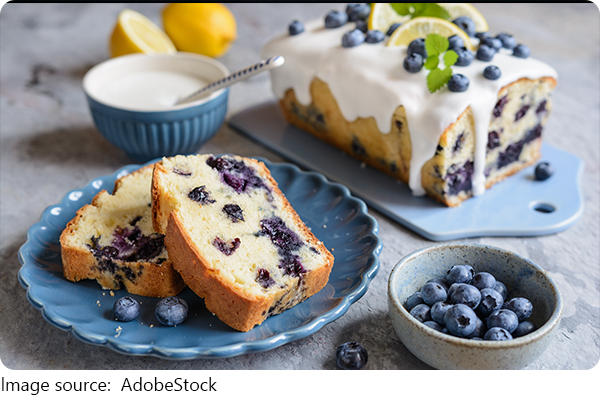
3. Bake the same batter in a loaf pan, adjusting time to about 55–60 minutes.
Actionable example: For a loaf pan, reduce oven temperature slightly and tent with foil halfway through to avoid over-browning.
A blueberry cake doesn't need frosting or decoration to feel complete. When the crumb is tender and the berries are evenly spaced, it already feels generous. This is the kind of cake that works on a quiet afternoon, packed into a lunch container, or shared without ceremony. Once you've baked it a few times, you'll stop following the recipe line by line and start trusting your hands—and that's when it truly becomes yours.