Picking the Right Sofa

Ethan Sullivan
| 14-02-2026
 · Lifestyle team
A sofa is more than just a piece of furniture—it's where mornings begin with coffee, afternoons drift by with reading, and evenings gather friends or family.
Choosing the right one isn't only about looks; it's about comfort, durability, and how it fits into your lifestyle.
A well-selected sofa quietly changes the way a room feels, making it cozier, more inviting, and functional at the same time.
Measure the space first
Room balance, Flow of movement, Proportion matters
Before looking at fabric or style, know your room's dimensions. A sofa that's too large overwhelms the space, while one that's too small feels disconnected. Proper sizing ensures both comfort and aesthetic balance.
Measure the width, depth, and height of the area where the sofa will sit, including clearance for walking around.
Consider ceiling height and nearby furniture to avoid a cramped layout.
Visualize the sofa footprint using painter's tape or cardboard on the floor.
An actionable tip: if the living area is under 200 square feet, aim for a sofa under 84 inches wide to maintain walking space.
Decide on the seating style
Comfort level, Functionality, Lifestyle fit
Different seating styles support different ways of living. Low seats encourage casual lounging, while firm upright cushions suit conversation or formal gatherings.
Sectionals offer flexibility for families or larger spaces, while loveseats work well in smaller rooms.
Recliners or modular pieces support changing needs without requiring multiple furniture items.
Test seat depth: sit fully back with feet on the floor to see if it feels natural or forces slouching.
A practical step: try spending five minutes in a sofa showroom sitting in different positions to gauge comfort for your typical daily use.
Choose materials wisely
Durability, Ease of cleaning, Texture and feel
Fabric choice affects how long the sofa lasts and how easy it is to maintain. Certain materials suit active households, while others create luxury and softness for less-used spaces.
Leather is durable, easy to wipe, and develops character over time but may feel cool in winter.
Linen or cotton blends offer natural softness but require more careful cleaning.
Synthetic fabrics like microfiber resist stains and are practical for homes with pets or children.
An actionable tip: request small fabric swatches and test them under natural light in your living room to see how color and texture appear across different times of day.
Consider color and design
Visual harmony, Timeless appeal, Room personality
A sofa anchors the room's visual narrative. Neutral tones provide flexibility for changing décor, while bold colors or patterns create a focal point.
Match tone with flooring, wall colors, and nearby furniture for cohesion.
Use patterned or darker shades in high-traffic areas to disguise wear and stains.
Choose designs that reflect your personality but avoid trends that feel forced or dated.
Try this approach: select a neutral sofa and add vibrant throw pillows or a blanket for seasonal or mood-based color updates.
Test construction and durability
Long-lasting support, Firm framework, Stable comfort
A sofa's internal build determines how long it stays comfortable. Springs, frame, and cushion quality all influence longevity.
Opt for kiln-dried hardwood frames, which resist warping and creaking.
Check suspension: sinuous springs offer moderate bounce, while hand-tied coils provide extra support.
Sit and shift weight to feel how cushions respond; high-resilience foam maintains shape longer than softer alternatives.
A useful check: gently lift one corner to see if the frame feels solid and weight is evenly distributed.
Don't forget lifestyle factors
Pets and children, Cleaning habits, Adaptable design
Your sofa must fit the rhythm of your home, not just the aesthetic of the room. Consider how often it's used and by whom.
Slipcovers add protection and can be washed or replaced easily.
For families with pets, choose fabrics that resist hair and scratches.
Modular sofas let you adjust layout as needs change without buying a new piece.
One actionable example: for a home with pets, select a microfiber sectional with removable, washable covers to combine durability with comfort.
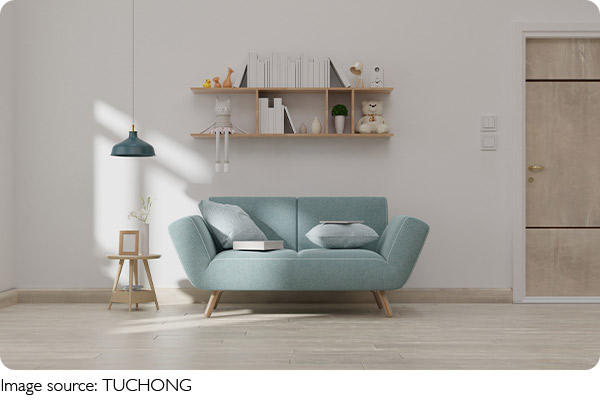
Choosing the right sofa takes time, observation, and practical testing. When you account for space, style, material, construction, and daily life, the sofa becomes more than a seat—it becomes a hub of comfort, gathering, and quiet luxury. The right piece quietly supports how you live, offering both relaxation and a visual anchor that defines your room.