Floating Fish Farms

Ethan Sullivan
| 24-02-2026
 · Lifestyle team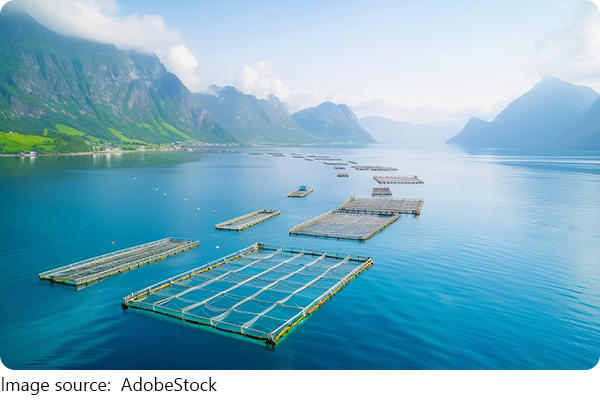
On a calm morning, looking out over a vast lake or along the coast, you might notice clusters of floating circles bobbing on the water. These aren't just markers—they're high-tech aquaculture systems quietly shaping how we farm fish and shellfish.
Floating net cages allow farmers to raise large numbers of aquatic animals efficiently while taking advantage of natural water currents.
How Net Cage Systems Work
Floating net cages are built around circular frames that keep nets suspended in the water column. These structures let fish swim freely while staying contained.
Design basics: The circular frames are usually made of durable materials like high-density polyethylene, which resist corrosion and harsh weather. The netting hangs below the frame, forming a cylindrical enclosure where fish or shellfish are raised.
Water flow benefits: The open-water environment ensures a constant exchange of water. This improves oxygen levels and removes waste more effectively than closed tanks, which reduces disease risks.
Example in practice: Salmon farms in the North Atlantic often use circular floating cages with diameters of 20 meters or more. Each cage can hold tens of thousands of fish, allowing large-scale production without overloading the natural ecosystem.
Actionable tip: When designing or inspecting a net cage, check for wear at the attachment points and ensure nets are securely fastened to avoid escapes.
Layout and Organization
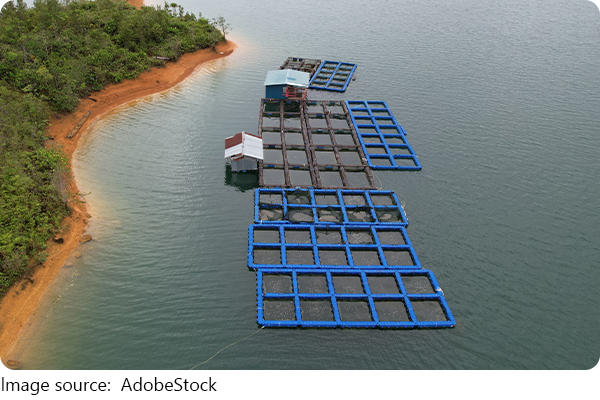
Net cages are rarely isolated. Farmers arrange multiple cages in grids or clusters, connecting them with ropes or walkways.
Optimized spacing: Placing cages with enough distance prevents overlapping water currents from stressing the fish. Proper spacing also allows maintenance boats to navigate safely.
Anchor and mooring systems: Cables and anchors stabilize the cages, preventing drift during storms. Regular inspections are essential to ensure these anchors remain secure and corrosion-free.
Example in practice: In Norway, salmon farms often organize cages in rows of 4–6, connected by floating walkways. This layout allows workers to feed fish and clean nets efficiently while keeping the area organized.
Actionable tip: Sketch a layout before installation, including anchor points, feeding zones, and maintenance pathways to reduce labor and improve safety.
Advantages of Open-Water Aquaculture
Using net cages in natural water bodies offers several benefits over land-based systems.
Larger water volumes: Open-water cages allow for higher fish densities without compromising water quality. The surrounding water acts as a natural filtration system.
Natural conditions: Fish experience currents and temperature variations similar to their natural habitats, which can improve growth rates and reduce stress.
Cost efficiency: Maintaining open-water cages can be cheaper than building tanks on land, as energy and water circulation systems are minimal.
Example in practice: Mussel farms in large lakes take advantage of the natural plankton supply, reducing the need for supplemental feed while still supporting high-density production.
Actionable tip: Monitor local water conditions regularly—temperature, oxygen, and salinity can affect growth. Simple sensors can provide real-time data for optimal management.
Challenges and Solutions
Despite the advantages, net cage aquaculture isn't without challenges.
Predators and pests: Birds, seals, and other predators can damage nets or reduce stock. Using reinforced nets and protective barriers can mitigate these risks.
Environmental impact: Accumulated waste can affect local ecosystems. Rotating cage locations or integrating shellfish or seaweed cultivation nearby can absorb excess nutrients naturally.
Maintenance needs: Nets wear down over time, and frames are exposed to constant motion. Regular inspections and timely repairs prevent escapes and production losses.
Actionable tip: Schedule weekly net inspections and monthly maintenance checks for anchors, frames, and floatation devices to ensure long-term operation.
Maximizing Productivity
Getting the most from a net cage system requires careful planning and monitoring.
Stocking density: Start with recommended densities for each species. Overcrowding increases disease risks and slows growth.
Feeding strategies: Automated feeders can deliver precise amounts at optimal times, reducing waste and improving feed efficiency. Observing fish behavior also helps adjust feed rates.
Monitoring growth: Weighing samples regularly helps track development and informs decisions about harvesting schedules.
Actionable tip: Use small test cages to trial new species or feed types before scaling up, minimizing risk while learning best practices.
Floating net cage aquaculture blends engineering with nature, turning lakes and coastal waters into productive food sources. With careful design, monitoring, and maintenance, these systems provide sustainable seafood while maintaining water quality. Standing on a dock among these floating circles, you can appreciate the balance between human ingenuity and the natural world, watching as the water itself helps nurture the next harvest.