Open-Plan Living

Nolan O'Connor
| 06-03-2026
 · Lifestyle team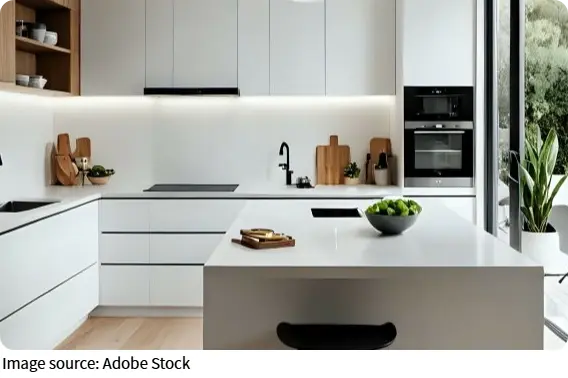
Stepping into a modern apartment, one often notices the absence of walls between the kitchen, dining, and living areas.
The space feels open, airy, and connected, yet the openness can also present challenges: how to maintain functional zones and ensure privacy without sacrificing flow.
Open-plan living has become a popular design approach precisely because it fosters social interaction, maximizes natural light, and creates a sense of spaciousness, but it requires thoughtful planning to achieve balance.
An open-plan layout emphasizes flexibility and continuity, connecting multiple functional areas into a single cohesive environment. However, without careful consideration, the lack of separation can lead to noise disruption, clutter visibility, and reduced intimacy. Understanding the benefits and strategies for overcoming challenges is key to creating a harmonious open-plan home.
Enhancing Space Flow
1. Visual continuity
Open-plan layouts rely on visual cues to connect different areas. Consistent flooring, color palettes, and ceiling treatments help unify the space. For example, using the same wood flooring throughout the kitchen and living room creates a seamless transition that naturally guides movement and enhances spatial perception.
2. Strategic furniture placement
Furniture can define zones without erecting walls. A sofa can separate a living area from a dining space, while a kitchen island acts as both a work surface and a visual divider. Arranging furniture thoughtfully maintains openness while subtly indicating functional areas.
3. Pathways and circulation
Ensuring clear pathways between zones prevents congestion and supports the natural flow of movement. Adequate spacing around seating, counters, and tables allows occupants to navigate easily, preserving the openness that defines this layout style.
Maintaining Functionality
1. Purposeful zoning
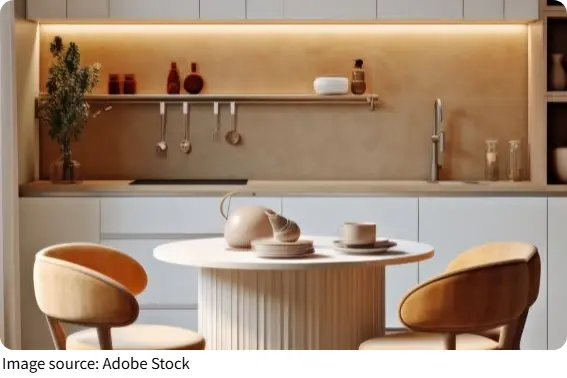
Each area in an open-plan home should have a clear purpose. For instance, the living area may focus on relaxation and social interaction, the kitchen on meal preparation, and a dining nook on communal eating. Distinguishing these zones helps maintain order and prevents activities from interfering with one another.
2. Integrated storage solutions
Open spaces often make clutter more visible. Built-in cabinets, shelving units, and multifunctional furniture can provide storage while maintaining a clean aesthetic. Concealed storage in kitchen islands or under seating helps preserve a minimalist and organized environment.
3. Lighting design for function
Different zones require tailored lighting. Task lighting in the kitchen, ambient lighting in the living area, and accent lighting over a dining table allow each space to operate effectively while contributing to the overall cohesion of the open plan.
Balancing Privacy and Intimacy
1. Partial dividers and screens
While walls are absent, partial dividers, shelving units, or glass panels can create a sense of separation without blocking light or sightlines. These elements provide visual boundaries, helping occupants feel private in open environments.
2. Acoustic management
Open-plan spaces can amplify noise. Rugs, upholstered furniture, curtains, and acoustic panels absorb sound and prevent disruption between zones. Thoughtful placement of soft materials ensures that conversations or cooking noises do not interfere with other activities.
3. Flexible space usage
Furniture that can be moved or reconfigured allows residents to adapt spaces for privacy when needed. Folding screens, sliding panels, or modular seating units provide temporary separation for quiet work, reading, or intimate gatherings without permanently altering the open layout.
Open-plan living transforms the way people experience home interiors. By emphasizing flow, maintaining functional zones, and introducing subtle methods for privacy, open spaces can feel both connected and comfortable.
Walking through a well-designed open-plan home, one notices the balance between openness and definition, light and shadow, social interaction and personal space. This design approach encourages shared experiences while still allowing moments of retreat. Thoughtful planning ensures that openness does not compromise comfort, turning expansive interiors into adaptable, inviting, and harmonious living environments.