Explore Spiti Valley

Finnegan Flynn
| 02-04-2026
 · Travel team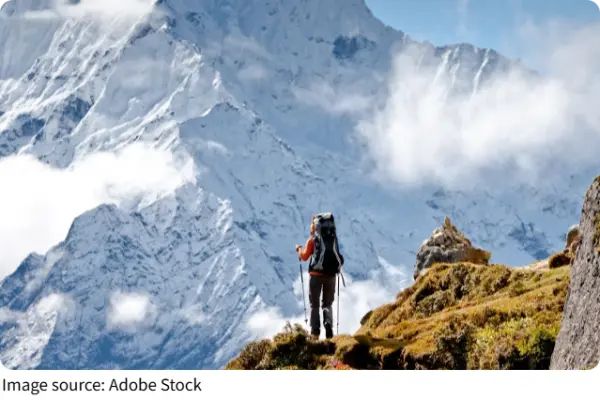
In the high reaches of the western Himalayas, perched above 3,000 meters, lies a landscape unlike most others: a stark, arid valley carved by ancient rivers and framed by towering peaks. This is Spiti Valley — a vast high altitude region known for its dramatic geography, serene cultural sites, and remote mountain charm.
Far from the lush foothills and crowded tourist centers, Spiti feels like a world apart. The silence here is punctuated only by wind through the bare slopes and the distant sound of a river cutting its way through rocky terrain.
For travelers seeking unusual landscapes, spiritual insight, and a journey off the typical tourist path, Spiti promises something powerful and unforgettable.
Spiti Valley
Where Spiti Valley Is and How to Get There
Spiti Valley sits in northern India's Himachal Pradesh region, bordering China Tibet, and is part of a high mountain cold desert ecosystem.
By Road:
There are two main approaches for overland travel:
• Via Manali: From the popular mountain town of Manali, travelers follow a high altitude route that includes the Kunzum Pass — a scenic mountain pass that closes in winter due to snow.
• Via Shimla–Kinnaur: A longer but more gradual drive from Shimla along NH 505 leads into Spiti while acclimatizing to altitude more comfortably.
Buses operated by the Himachal Road Transport Corporation (HRTC) run from Shimla and Manali to Kaza, the largest town and travel base in the valley during peak season (April–October), while shared taxis and private vehicles are popular alternatives.
By Air and Rail:
While there is no airport or train station in Spiti Valley, the nearest airports are those in Shimla and Bhuntar (near Kullu). From these hubs, onward travel is by road.
Main Towns and Scenic Highlights
At the heart of Spiti lies Kaza, a small yet vibrant mountain town that serves as an administrative and cultural hub for travelers.
1. Kaza – Valley Base
Kaza provides the most convenient access to food, accommodations, basic services like ATMs, and the main transportation points within the region.
2. Key Monastery
Perched dramatically on a hill overlooking the valley, Key Monastery is one of the region's most spiritual and iconic landmarks. Dating back to the 11th century, it is a center for monks and spiritual learning.
3. Dhankar and Tabo
Historic monasteries and rugged cliffs define these villages. Tabo Monastery, for example, is known for its ancient murals, relics, and deep heritage.
4. Kibber and High Altitude Villages
Villages such as Kibber showcase highland life and access to wildlife rich areas — snow leopards and blue sheep are among the region's elusive species.
5. Chandratal and Lakes
Natural lakes and meadows like Chandratal offer scenic camping and trekking opportunities under expansive Himalayan skies.
Best Time to Visit
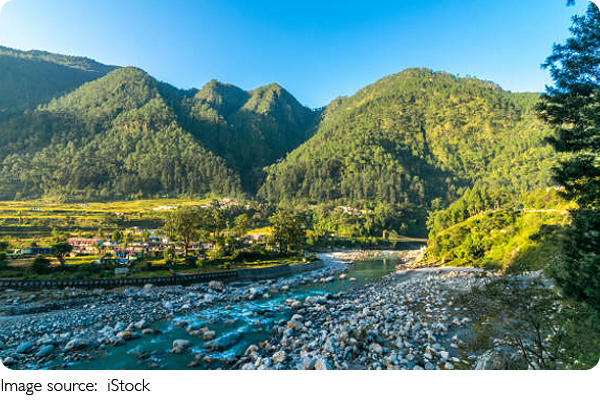
Spiti has extreme climate influences due to its altitude:
• Summer – April to June: High mountain passes open and weather is mild, making this the most popular season.
• Monsoon – July to September: Roads can be unstable due to landslides, but views remain spectacular.
• Autumn – October–November: Crisp air and clear skies make this a rewarding time before winter closures.
• Winter – December to March: Most routes close due to snow, and Kaza becomes more isolated, though the stark snowy landscapes draw adventurous visitors.
Accommodation and Practical Prices
Spiti's remoteness means a range of accommodation styles, from basic homestays to more comfortable guesthouses:
• Budget Homestays: ~$20–$40 per night
• Mid Range Guesthouses and Hotels: ~$50–$100 per night
• Premium Stays: ~$100–$150+ per night in peak season
Prices vary greatly by season and availability, with summer and autumn typically higher due to demand.
Road Travel and Safety
Traveling in Spiti requires preparation and caution:
• Altitude Acclimatisation: Spiti sits above 3,000 meters; take time to adjust and avoid rapid ascents.
• Road Conditions: Routes over mountain passes can be narrow and challenging. Winter closures are common on the high Manali Kaza route, while the Shimla route remains more consistently open.
• Transport Options: Buses are economical but slower; shared taxis and private SUVs offer more flexibility for stops and sightseeing.
Activities and Experiences
Spiti is not just about scenic drives — its unique culture and landscape offer rich experiences:
• Trekking & Walking Trails: High plateau hikes and valley walks connect villages and monasteries.
• Cultural Immersion: Buddhist monasteries, local markets, and festivals provide insight into traditional Himalayan life.
• Wildlife and Stargazing: Clear skies and minimal light pollution make Spiti ideal for stargazing, and the region's wildlife includes rare high altitude species.
A Final Reflection on Spiti
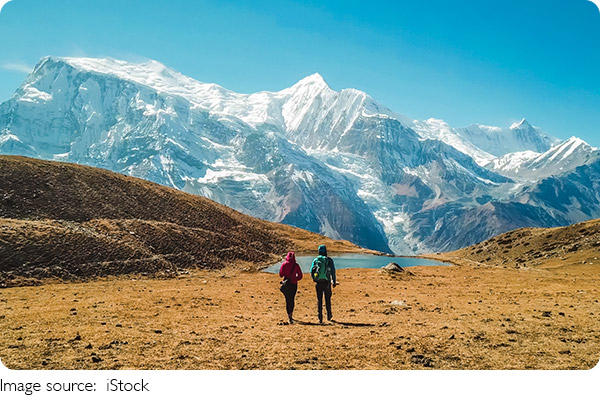
Spiti Valley keeps its visitors humble with its vast, barren landscapes, sudden changes in weather, and slow paced villages that feel suspended between earth and sky. It's a place where nature and culture exist in stark contrast — where centuries old monasteries sit quietly above windswept plains and snow tipped peaks watch over travelers making their way through mountain passes.
For many, the journey itself becomes the destination — not just the places you reach but the silence between them, the shifting light on rocky ridges, and the stories embedded in remote villages. Spiti reminds us that travel is not simply about ticking sights off a list, but about embracing challenge, perspective, and the patience needed to witness beauty in its purest, harshest forms.