The Silver-studded Blue

Finnegan Flynn
| 13-03-2026
 · Animal team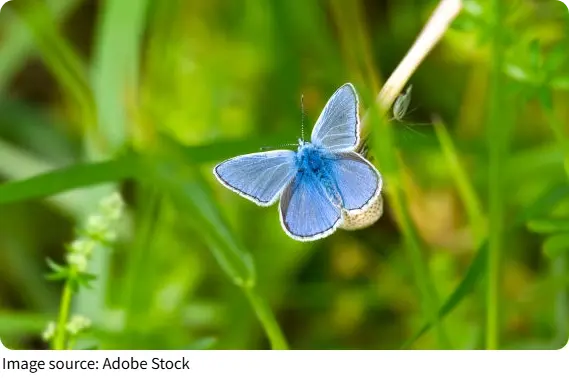
Have you ever spotted a butterfly flitting by in a meadow and wondered about its life story?
Among the many delicate species, the Silver-studded Blue (Plebejus argus) stands out—not just for its beauty, but also for its fascinating survival strategies.
A butterfly that's small in size, but full of surprises, the Silver-studded Blue is a perfect example of nature's intricate balance between beauty and survival.
A Glimpse of the Silver-studded Blue
The Silver-studded Blue may be small, but it's easy to spot when it's fluttering in the right places. Its wings, a delicate mix of blue and grey with silver spots, give it a distinctive look. This butterfly has a strong connection to specific habitats, usually found in heathlands, grasslands, and coastal meadows across Europe.
Key Features:
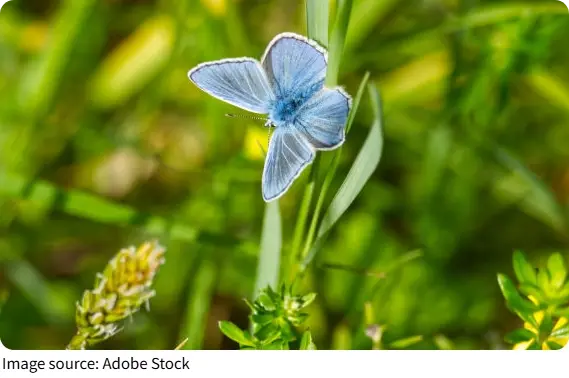
Males sport vibrant blue wings with silvery dots, while females have a more muted brown color with a hint of blue.
The undersides of both males and females are patterned with brown and orange, blending perfectly with the environment when the butterfly is at rest.
Adults are small, with wingspans around 3–4 cm (1.2–1.6 inches), making them agile and quick in flight.
Its wings are a camouflage masterpiece, allowing it to blend into the flowers and grasses where it rests during the day. Whether you're hiking in a field or strolling along a coastal path, spotting one of these butterflies can feel like discovering a hidden gem in the wild.
The Secret Life of a Butterfly
The life cycle of the Silver-studded Blue is both charming and strategic. From its early stages as an egg to its metamorphosis into a butterfly, every phase has a unique survival mechanism. These butterflies are not only beautiful to observe but are also experts in adapting to their environments.
The Stages of Life:
Egg: Laid on the stems of specific plants, like the common bird's-foot trefoil, the egg waits for the right moment to hatch.
Larvae: The larvae are herbivores and feed on the host plants, but they're not on their own for long. They form a fascinating partnership with ants.
Chrysalis: Once the larvae are fully grown, they pupate, often hidden under leaves or debris to protect themselves from predators.
Mature Butterfly: The final stage brings the butterfly's beautiful display of blue wings, where it flits around, mating and laying eggs for the next generation.
One of the most intriguing parts of their life cycle is the relationship with ants. The larvae secrete a sweet substance that attracts ants, who protect the larvae from predators. In return, the larvae provide food to the ants, creating an almost symbiotic relationship.
Where to Find the Silver-studded Blue
These butterflies have very specific habitat needs, preferring open, sunny areas with plenty of wildflowers. The Silver-studded Blue thrives in areas with low vegetation that can support its food sources, like the bird's-foot trefoil. You'll often find them in coastal grasslands, heathlands, and even some inland meadows.
Ideal Habitat Conditions:
Sunlight: They need warm, sunny spots to bask and feed, so they tend to avoid heavily shaded areas.
Flower-rich Meadows: The presence of host plants like bird's-foot trefoil is crucial.
Low Vegetation: A sparse landscape provides the perfect environment for both feeding and mating.
While they are quite widespread in certain regions, the Silver-studded Blue's habitats are becoming more fragmented due to agricultural practices, urban development, and climate change. This has led to conservation concerns in some areas, prompting efforts to protect their habitats and restore meadows where they thrive.
Challenges and Conservation Efforts
Like many butterflies, the Silver-studded Blue faces threats from habitat destruction and climate change. Urbanization and agricultural expansion have taken over many of the natural meadows where these butterflies once thrived. The changing climate also affects the flowering times of their host plants, disrupting the delicate timing of their life cycle.
Conservation Actions:
Habitat Restoration: There are ongoing efforts to restore heathlands and coastal meadows, often by removing invasive plant species and planting native wildflowers.
Butterfly Monitoring: Conservation groups track the populations of Silver-studded Blues to better understand their needs and how climate change is affecting their behavior.
Creating Wildlife Corridors: Ensuring that different habitats are connected allows butterflies to migrate and find new places to live.
Some protected areas and nature reserves have been established specifically to safeguard the butterfly's habitats, providing them with a safe space to thrive.
The Future of the Silver-studded Blue
The Silver-studded Blue may be small, but it plays an important role in the ecosystems where it lives. By supporting conservation efforts and protecting meadows and heathlands, we can help ensure this beautiful butterfly continues to flutter through the grasslands for generations to come.
For those of us who enjoy the beauty of nature, the Silver-studded Blue is a reminder of the delicate balance that exists in our ecosystems. Whether you're a nature lover, a gardener, or simply someone who enjoys a stroll through the countryside, keep your eyes peeled for this little butterfly—it might just surprise you with its beauty and the secrets it holds about survival and connection.