Balance-Check Habit

Declan Kennedy
| 13-03-2026
 · News team
Hello Lykkers! Have you ever unlocked your phone just to quickly check your bank balance, even when you know nothing has changed? Maybe you paid for coffee an hour ago and suddenly felt the urge to look again. You’re not alone in this habit.
Have you ever wondered why people feel the need to check their bank balances so often? This small routine is closely connected to psychology, emotions, and the way people think about money. A quick glance at a banking app may seem minor, but it often reflects a deeper need for clarity and reassurance.
For many people, checking a bank balance is really about feeling in control. Money affects nearly every part of daily life, from paying bills to planning future goals. When people review their finances regularly, they often feel more aware of their spending and more confident about their choices. In the past, bank statements were checked far less often, but today digital access makes financial updates available in seconds. That convenience can turn a simple money check into a repeated habit.
A big reason behind this behavior is the search for financial security. Seeing an account balance can reduce uncertainty and make spending decisions feel easier. Before ordering food, shopping online, or making an unplanned purchase, many people check their balance to confirm they are still within a comfortable range. In that sense, the habit can be helpful because it encourages awareness, supports budgeting, and makes it easier to notice unusual account activity early.
Still, frequent checking does not always bring peace of mind. When money worries are already present, repeated balance checks can become a source of stress instead of relief. A person may hope that opening the app will feel reassuring, only to become more tense about every small change. Brad Klontz, a financial psychologist and financial planner, said that money behavior is often shaped by emotions and long-held beliefs, not just arithmetic. That idea helps explain why balance-checking can become emotional rather than purely practical.
There is also a positive side to regular financial awareness. People who keep an eye on their accounts are often better at tracking spending, avoiding extra fees, spotting suspicious transactions, and staying closer to their budgets. The healthiest approach is not constant checking, but mindful checking. Like many useful routines, it works best when it supports daily life instead of taking it over.
If you find yourself checking your bank balance too often, there are simple ways to create a healthier routine. Set a specific time to review your finances, such as once in the morning or every few days, instead of reopening the app throughout the day. Use budgeting tools or spending trackers to give yourself a clear summary of where your money is going. Most importantly, keep your attention on long-term goals like saving, steady planning, and thoughtful spending, rather than reacting to every small daily change.
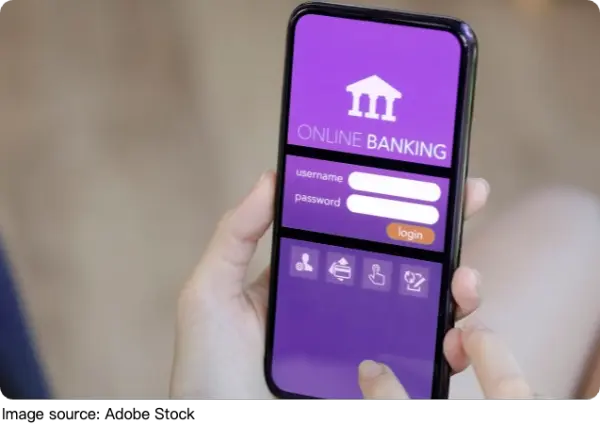
Lykkers, checking your bank balance is not just a financial habit. It is also a psychological one. It reflects the way people think about security, control, and peace of mind. When used wisely, this small routine can help you stay organized, aware, and confident. But money should support your life, not dominate your thoughts. The next time you open your banking app, pause for a moment and ask yourself whether you are checking for useful information or simply looking for reassurance. That small moment of reflection can help build a healthier relationship with money.