Symbolism of Flowers

Santosh Jha
| 19-03-2026
 · Lifestyle team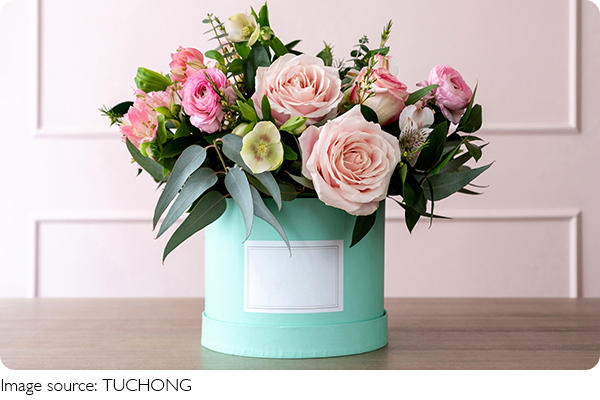
Blossoms have a secret language of their own—one that spans centuries and cultures, whispering messages too subtle for words alone. When you give someone a bouquet, the flowers you choose can carry meaning beyond beauty.
Whether it's the deep red of a rose or the gentle curve of a lily petal, each bloom can express emotions and intentions in ways that feel timeless and evocative.
Why Flowers Carry Meaning?
For centuries, humans have looked to nature to express emotions that are difficult to speak aloud. The idea that flowers communicate feelings—known as floriography—became especially popular in the Victorian era, when people used specific blooms to convey coded messages. Today, even casual flower gifts are shaped by these symbolic traditions, allowing us to celebrate love, friendship, hope, and new beginnings through carefully chosen blooms.
Roses: A Classic of Love and Affection
Roses are perhaps the most universally recognized flower when it comes to symbolism. Their layered petals and rich history in art and poetry have linked them closely with human emotion for centuries.
1. Red Roses
Red roses are the most traditional symbol of love and romance, associated with passionate feelings and deep emotional connection.
2. Pink Roses
Pink roses often convey gentle admiration, gratitude, and appreciation, making them a lovely choice for friends or family members.
3. White Roses
White roses stand for purity, innocence, and even remembrance, and are frequently chosen for weddings or moments of reflection.
4. Yellow Roses
Yellow roses symbolize friendship and joy, offering a cheerful message without the romantic undertones.
Through their colours, roses can speak nuanced emotional messages that go far beyond simple affection.
Lilies: Elegance, Purity, and Renewal
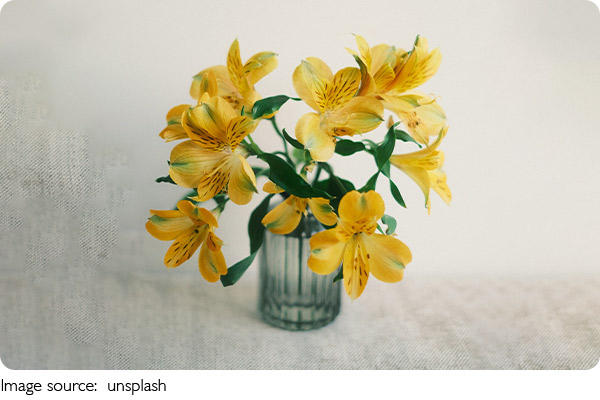
Lilies are elegant flowers whose meanings are shaped by both colour and shape. Traditionally associated with serene beauty, they often appear in events marking both beginnings and solemn moments.
1. White Lilies
White lilies are commonly connected with purity, virtue, and new beginnings, often appearing in ceremonies celebrating commitment and renewal.
2. Pink and Orange Lilies
In some traditions, pink lilies symbolize prosperity and abundance, while orange lilies can convey confidence and energy.
Because lilies can express both serenity and celebration, they are widely chosen for weddings, special occasions, or even as thoughtful gifts showing respect and admiration.
Tulips: Love, Renewal, and Cheer
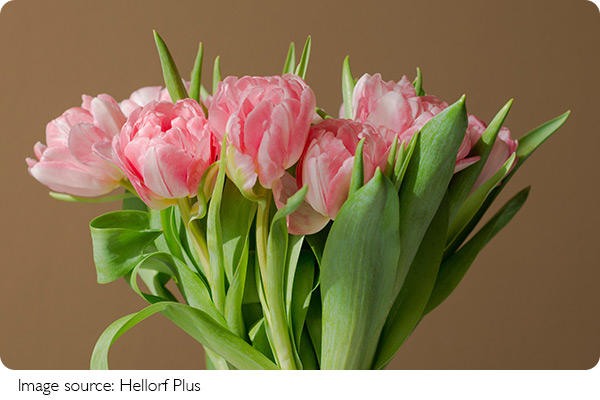
Tulips bloom in early spring, and their meanings often reflect the joyful awakening of the season. Simple yet elegant, tulips are a versatile flower in the language of blooms.
1. Red Tulips
Red tulips are a classic symbol of true love and deep affection.
2. Yellow Tulips
Yellow tulips represent cheerfulness, bright thoughts, and sunshine.
3. White Tulips
White tulips can signify forgiveness, respect, and new beginnings.
Like roses, the colour of a tulip adds nuance to its emotional message, making this flower a thoughtful choice for both romantic and friendly occasions.
Composing Meaning with Bouquets
Choosing flowers isn't just about picking beauty—it's about intention. A bouquet with red roses and white lilies might express romantic love grounded in purity. A mix of yellow tulips and pink roses can symbolize joyful admiration and genuine friendship. In this sense, floral arrangements become more than decoration; they become messages shaped by tradition and sentiment.
Whether you're preparing a gift for someone special or simply selecting flowers to brighten your own space, understanding these meanings adds depth to the experience. It invites reflection on what we hope to communicate—care, affection, respect, or joy.
Reflections on Floral Expression
Flowers are more than objects of beauty; they are vessels of emotion and tradition. When we give or receive blooms, we engage in a quiet conversation that bridges history, culture, and personal feeling. Next time you select a bouquet, consider what you want those petals to say. In that simple choice lies the power not just to decorate, but to connect—sharing feeling through nature's own language.