Ionian Islands

Amit Sharma
| 30-03-2026
 · Travel team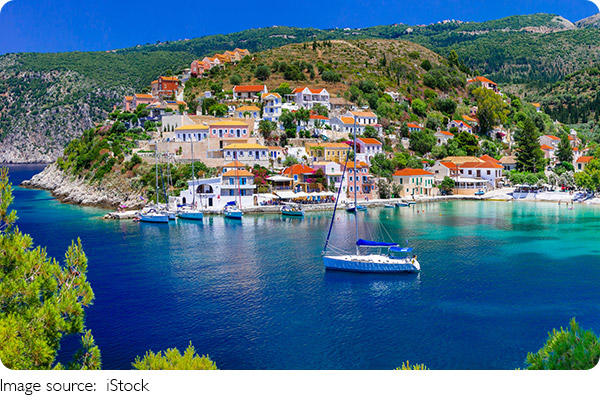
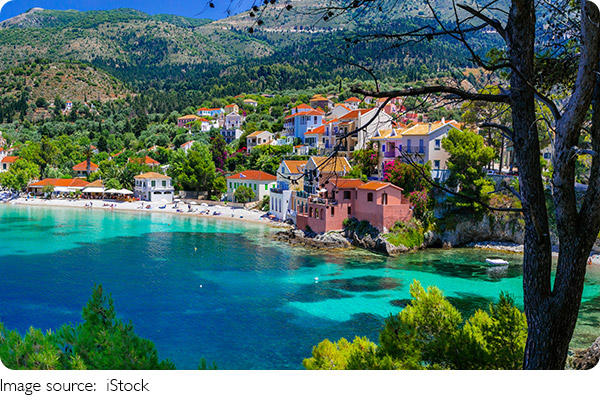
Imagine waking to the sound of gentle waves lapping a shoreline of turquoise water, with sun dappled hills rising behind olive groves and pastel towns dotted along the coast.
This is the Ionian Islands experience — a captivating cluster of Greek islands in the Ionian Sea where verdant landscapes meet crystal seas, Venetian influenced architecture, and timeless island life.
Island Group Overview and Location
The Ionian Islands, historically known as the Heptanesos or “Seven Islands,” lie off the west coast of Greece in the Ionian Sea. They include major islands such as Corfu, Cephalonia (Kefalonia), Zakynthos, Lefkada, Ithaca, Paxos, and Kythira. Each island offers a distinct blend of natural scenery, cultural landmarks, and coastal charm.
Because of their position between the Greek mainland and the broader Mediterranean, these islands became crossroads of history — shaped by Venetian, French, and British influence before joining modern Greece in the 19th century.
How to Get There
Travel to the Ionian Islands is straightforward:
• By Air: Several islands have airports serving seasonal and regular flights. Corfu, Zakynthos, and Kefalonia each offer routes from major European cities and domestic flights from Athens.
• By Ferry: Ferries operate from mainland ports like Igoumenitsa, Killini, and Patra to various islands including Corfu, Kefalonia, and Paxos.
• By Car and Bridge: Lefkada is unique — connected to the mainland by a road bridge, making it accessible without a ferry.
Once on an island, travel between beaches, villages, and natural sites is most convenient by rented car, scooter, or local bus services during the high season.
Ionian Islands
Main Attractions and Experiences
1. The Historic Grandeur of Corfu Town
A walk through Corfu’s Old Town is a journey through centuries of Venetian, French, and British rule. The crown jewel is the Old Fortress (Palaio Frourio), an architectural marvel built by the Byzantines and reinforced by the Venetians to protect the island from invasions. As you hike up toward the lighthouse, you are rewarded with a breathtaking 360-degree panoramic view of the turquoise Ionian Sea and the terracotta rooftops of the UNESCO-listed town below.
- Cost: Entry is approximately $10–$15 (this often includes a combo ticket that grants access to other city museums and historical sites).
- Schedule: Open daily from 08:00 to 20:00 during the peak summer season (April–October); hours are usually reduced during the winter months.
- Pro Tip: Visit in the late afternoon. Not only is the climb much cooler, but you’ll catch the sunset from the ramparts when the ancient stone turns a deep, glowing honey hue.
2. The Subterranean Magic of Melissani Cave (Kefalonia)
Located near Sami, Melissani Cave is a geological wonder where an underground lake is partially exposed by a collapsed roof. To experience it, you’ll descend through a tunnel to a small dock where traditional wooden boats await. The guides row you across the crystal-clear turquoise waters that are so transparent the boats appear to be floating in mid-air.
- Cost: Approximately $10–$12 per person (includes the short boat tour).
- Schedule: Open daily from 09:00 to 18:00 (May–October).
- Pro Tip: Arrive between 11:30 and 13:30. This is when the sun is directly overhead, creating vertical shafts of light that illuminate the water to a brilliant, neon blue.
3. The High-Octane Beauty of Shipwreck Beach (Zakynthos)
Commonly known as Navagio, this is perhaps the most photographed beach in the world. While land access to the beach itself is often restricted due to safety/cliff stability, the boat tours remain the ultimate way to see it. Most tours take you past the Blue Caves, where the white limestone arches reflect against the neon-blue water, creating a surreal glowing effect.
- Cost: Group boat tours typically range from $30 to $50 per person; private speedboat charters start around $350+.
- Schedule: Boats depart hourly from Porto Vromi or Agios Nikolaos between 09:00 and 17:00.
- Pro Tip: If the beach is closed for landing, book a "Viewpoint Tour" by land to see the wreck from the famous cliff-top platform for that "postcard" photo.
4. Wilderness at Mount Ainos National Park (Kefalonia)
For a break from the coastal heat, head to the "Black Mountain." Mount Ainos is the highest peak in the Ionian, famous for its unique forest of Kefalonian Fir trees. The air is noticeably cooler here, and the hiking trails offer views that stretch all the way to the islands of Zante and Ithaca on a clear day.
- Cost: Free entry to the National Park.
- Schedule: Generally open from sunrise to sunset. The Environmental Center is open Monday–Friday, 08:30 to 16:00.
- Pro Tip: Keep an eye out for the semi-wild horses that roam the southeastern slopes of the mountain—they are a rare and beautiful sight.
5. The Serenity of Myrtos Beach (Kefalonia)
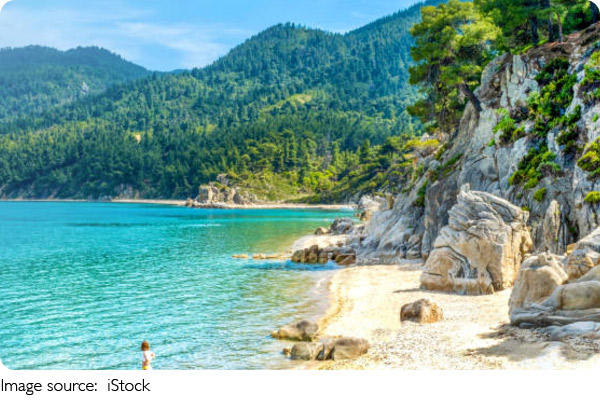
Nestled between two mountains, Myrtos Beach is a crescent of dazzling white pebbles. It’s a "wild" beach experience, meaning it’s less about beach clubs and more about the raw power of the sea.
- Cost: Free to visit. If you want a sunbed and umbrella, expect to pay $10–$20 for a set.
- Schedule: No strict hours, but the steep access road is best navigated during daylight.
- Pro Tip: The waves here can get very strong and the water drops off deep very quickly. It’s spectacular for photos and a refreshing dip, but keep an eye on the flag system for safety.
Accommodation & Pricing
Lodging in the Ionian Islands varies significantly by season. For a mid-range experience in 2026, expect to pay between $110 and $160 per night for well-rated 3 or 4-star hotels. If you are looking for luxury—think boutique Venetian suites in Corfu or cliffside villas in Zakynthos—prices typically start at $250 and can exceed $500 per night during the July–August peak. Budget travelers can still find charming guesthouses or inland apartments for $55 to $90 per night, particularly in the shoulder months of May, June, and September.
Dining & Local Flavors
The food here is a unique fusion of Greek ingredients and Venetian heritage. A typical meal at a local taverna costs about $15–$25 per person, while a multi-course dinner at a mid-range restaurant will run closer to $35–$50.
What to Eat:
- Pastitsada (Corfu): A hearty pasta dish with rooster braised in a spicy tomato sauce with cinnamon and cloves.
- Kreatopita (Kefalonia): A famous meat pie filled with three types of meat, rice, and local herbs.
- Mandolato (Zakynthos): A traditional honey and almond nougat, perfect for a sweet souvenir.
Practical Travel Tips
• Best Time to Visit: The Ionian Islands are most popular from late spring through early autumn, especially July and August, when warm weather and sea conditions are ideal.
• Ferries and Scheduling: Ferry routes vary by season — peak summer has the most frequent connections. Early planning helps secure desired crossing times.
• Local Transport: Renting a car or scooter provides the greatest flexibility for exploring beaches and inland villages; local buses operate on main routes but are less frequent off season.
Final Thoughts: What the Ionian Islands Teach
The Ionian Islands remind us that travel isn't just about destinations — it's about the sensory journey of place and culture. With every coastal vista, olive lined path, and ancient fortification, visitors discover a harmony of nature, history, and human creativity. These islands do not merely appear on a map — they invite you to slow down, listen to the rhythm of island life, and return to daily routines wiser for the gentle beauty you've witnessed.