Barolo Vineyards Escape

James Carter
| 29-03-2026
 · Travel team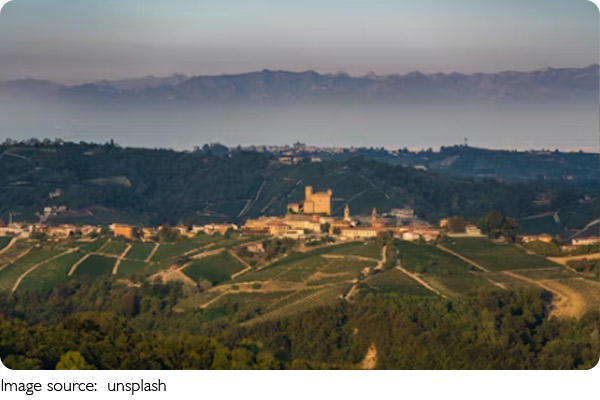
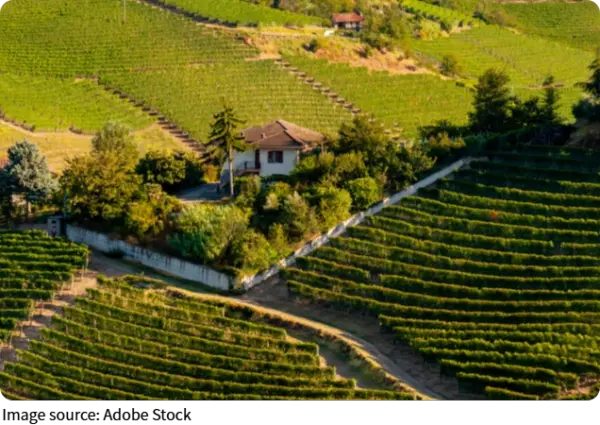
Golden hills stretch across the horizon, lined with carefully cultivated rows that follow the natural curves of the land.
In Italy's Piedmont region, the Barolo area presents a landscape shaped over centuries, where agriculture, history, and scenery blend into a unified experience.
Walking here is less about visiting a destination and more about entering a rhythm that has existed for generations.
Barolo
The Landscape of Barolo
The Barolo region lies within the Langhe hills of Piedmont, a UNESCO World Heritage Site recognized for its cultural agricultural landscapes. These hills extend across a series of small communes, each offering subtle variations in soil and climate that influence how crops are grown.
The terrain is defined by rolling elevations rather than steep peaks, with cultivated slopes positioned to maximize sunlight and airflow. This careful use of geography has shaped both the visual identity and agricultural success of the region.
The result is a landscape that feels orderly yet organic, where every hill contributes to a larger, harmonious pattern.
How to Get There
Reaching the Barolo area is straightforward with several transport options:
1. By air:
• The nearest major airport is Turin Airport (TRN), about 88–100 km from Barolo. A private taxi or transfer from Turin to Barolo typically costs around €247 – €282 one‑way for a private sedan, with larger vehicles costing more.
• Milan Malpensa Airport (MXP) is farther away (about 150 km), and public transport options (train + bus) can cost around €25–€40 per person to get most of the way before transferring to local transport.
2. By train:
• Barolo itself doesn’t have a train station. The closest major station is Alba, which is about 14–15 km away. From Turin or other Italian cities, you can take regional trains into Alba for approximately €5–€10+ (depending on route).
3. By car:
• Driving is the most flexible option — renting a car at Turin or Milan airports lets you explore rural roads and scenic viewpoints at your own pace. Renting a small car in Piedmont can start as low as €15–€25 per day (season and provider dependent), while fuel and tolls add extra. (General pricing context; varies by rental company and season.)
Exploring the Countryside
The Barolo region is best experienced through slow exploration rather than structured tours.
1. Walking paths: Trails pass through cultivated hills and connect small villages
2. Estate visits: Many family-run properties offer guided experiences and tastings
3. Cultural landmarks: Castles, museums, and historic buildings provide deeper context
Advance reservations are often required for guided visits, especially during busy seasons.
Opening Hours and Costs
While the landscape itself is open, individual estates operate on set schedules:
1. Typical hours: 10:00 AM – 5:00 PM (varies by location)
2. Countryside access: Walking routes are generally free
Where to Stay
Accommodation in the Barolo region blends rural charm with comfort, and there are options from budget to luxury — with typical prices per night:
• La Rosa Gialla – Holiday home / budget stay from around €90 per night — great for cost‑conscious travelers.
• Agriturismo Il Gioco Dell'Oca – Farm‑style B&B around €118+ per night.
• Agriturismo Le Viole – Highly rated farmstay from roughly €126 per night.
• La Giolitta Accomodations di Daniela Vacca – Central guesthouse option around €123+.
• Antico Podere Tota Virginia – Charming countryside hotel from €193+.
Comfortable & Boutique Hotels
• Eleìra Luxury Accommodations – Stylish B&B around €180 per night.
• Sogno in Langa – Boutique hotel in nearby Monforte d’Alba from about €238+.
• Rocche Costamagna Art Suites – B&B in La Morra about €157+.
Top Restaurant & Dining Picks
• La Cantinetta – Charming restaurant with local specialties and a strong local drink list (approximately €30–40 per person).
• Locanda La Gemella – Elegant dining with a refined menu and lovely atmosphere.
• Ristorante Brezza – Well‑reviewed Italian restaurant with elevated local cuisine (~€40–50 per person).
Best Time to Visit
Each season brings a different perspective to the region:
1. Spring: Fresh greenery and mild temperatures
2. Autumn: Harvest season with vibrant colors across the hills
3. Summer: Long days ideal for walking and outdoor exploration
Autumn, particularly from late September to October, is often considered the most dynamic period due to seasonal activity.
A Landscape of Patience
The Barolo hills do not impress through sudden drama. Instead, their beauty unfolds gradually—through repeating lines across slopes, shifting light throughout the day, and the quiet presence of long-standing traditions.
This region reflects a slower way of experiencing travel. It encourages observation over speed and depth over variety. In doing so, it offers something increasingly rare: a place where time feels less urgent, and every step carries a sense of continuity.