Journey Through Carpathians

Kwame Johnson
| 30-03-2026
 · Travel team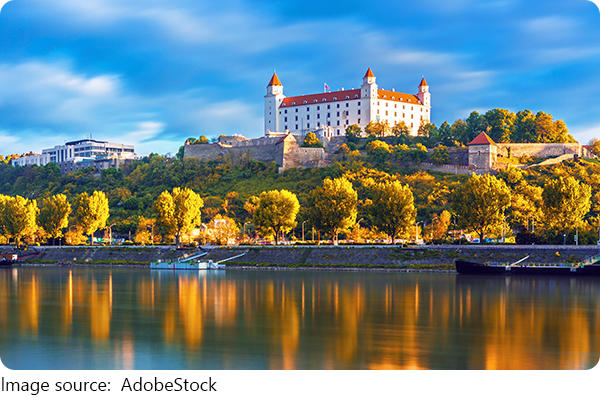
The Carpathian Mountains stretch in a vast arc across Eastern Europe, forming one of the continent's most distinctive natural landscapes. Unlike sharper alpine peaks, these mountains feel softer, shaped by forests, rolling ridges, and winding valleys.
For travelers, they offer a balance of accessibility and wilderness—places where you can hike for hours and still hear only wind and birds.
Carpathian Mountains
Geography and Natural Character
The Carpathian Mountains extend for about 1,450 kilometers, passing through countries such as Slovakia, Poland, and Romania.
Their highest peak, Gerlachovský Štít, reaches 2,655 meters, significantly lower than many alpine summits, yet still impressive in scale.
What makes these mountains unique is their structure. Instead of one continuous ridge, they are divided into multiple sections separated by basins and valleys. This creates diverse landscapes—from dense forests to open meadows—making every region feel different.
How to Get There
Travel access varies depending on which part of the range you visit, but overall it is well connected:
1. By air: Major gateways include cities like Kraków, Bratislava, and Bucharest
2. By train: Regional rail networks reach mountain towns and valleys
3. By road: Scenic highways cross the mountains, offering panoramic views
From these entry points, local buses or short drives bring visitors directly to hiking areas.
Popular Activities
The Carpathians are known for outdoor recreation rather than urban attractions:
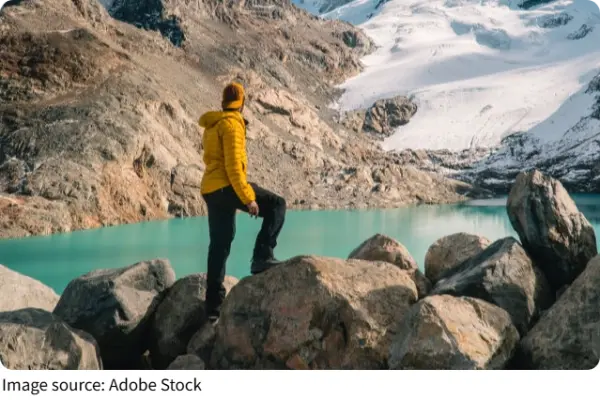
1. Hiking: Trails range from short forest walks to multi-day ridge routes
2. Winter sports: Ski resorts such as those in southern regions attract seasonal visitors
3. Nature exploration: The mountains are rich in biodiversity and natural scenery
Because many areas remain less developed, the experience often feels more personal and less crowded than in other mountain systems.
Costs and Practical Information
Traveling in the Carpathians is generally affordable:
1. National park entry: Many areas are free or cost $5–$10
2. Accommodation:
• Budget guesthouses: $30–$70 per night
• Mid-range hotels: $80–$150 per night
• Premium stays: $200+ per night
3. Transportation: Local transport is economical, often under $10 per trip
Opening hours vary by site, but hiking trails are typically accessible year-round, weather permitting.
Where to Stay
Several towns serve as convenient bases:
1. Zakopane: A popular hub for hiking and winter sports
2. Sinaia: Known for mountain scenery and resort facilities
3. Smaller villages: Offer quieter stays with closer access to nature
Choosing a base depends on whether you prefer lively surroundings or peaceful isolation.
Best Time to Visit
Each season offers a different experience:
1. Summer: Ideal for hiking and exploring forests
2. Autumn: Forests turn vivid shades, creating scenic views
3. Winter: Snow transforms the region into a calm landscape suitable for skiing
Weather conditions can change quickly, so preparation is essential.
A Landscape That Slows You Down
The Carpathian Mountains are not about dramatic extremes. They invite a slower pace—walking through forests, following winding paths, and discovering small details along the way. Their charm lies in continuity rather than spectacle, in the way one hill leads quietly to another.
In a travel world often focused on iconic landmarks, these mountains remind us that depth of experience matters more than height. Sometimes, the most meaningful journeys are those that unfold gradually, step by step.