Crystal Blue Wonders
Ravish Kumar
| 30-03-2026
 · Travel team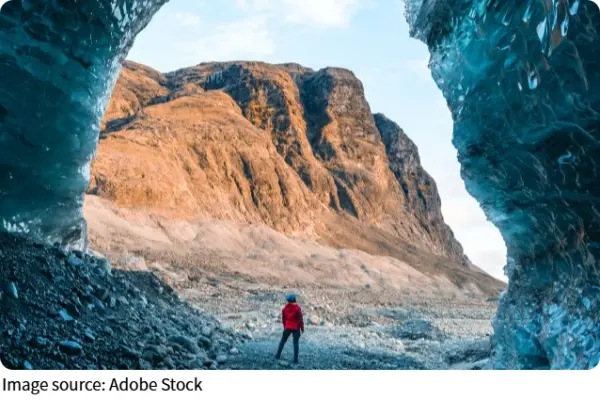
Iceland's ice caves are absolutely mind-blowing, and trust me, they're worth every bit of hype! These natural wonders draw travelers from everywhere, and once you step inside those brilliant blue chambers, you'll see why.
The 2026 season has unveiled some gorgeous new caves in Vatnajokull Glacier, so there's no better time to plan your visit.
10 Quick Facts About Ice Caves in Iceland
• Most ice caves are only accessible in winter when temperatures stabilize the ice
• Vatnajokull's popular caves are about 5 hours from Reykjavik
• Myrdalsjokull and Langjokull caves operate year-round
• Always visit with certified guides—going solo is dangerous
• Ice caves reshape every season as glaciers move
• Colors range from deep blue to white and black
• Weather can cancel tours, but you'll get alternatives or full refunds
• The drive to Katla and Langjokull caves takes about 3 hours
• Ice caves form from water carving through glacier ice
• This is one of Iceland's most unforgettable winter experiences
Best Ice Caves in Iceland Winter 2026
1. Crystal Ice Cave in Vatnajokull Glacier
This stunner near Jokulsarlon Glacier Lagoon is Iceland's most famous ice cave. The vivid blue ice is absolutely breathtaking, and it's open from mid-October through March.
Price: From $150 per person for a 3-hour tour
Location: Southeast Iceland, near Jokulsarlon
Transport: 5-hour drive from Reykjavik or join tours from the lagoon
Access: Super Jeep transfer plus short glacier hike
2. Katla Ice Cave in Myrdalsjokull Glacier
Located beneath Katla Volcano near Vik, this cave features unique black ash layers mixed with ice. It's open year-round, and while the famous arch collapsed, it's still spectacular.
Price: From $130 per person
Location: South Iceland, near Vik
Transport: 3-hour drive from Reykjavik
Access: Super Jeep from Vik with minimal hiking
3. Skaftafell Ice Caves in Vatnajokull Glacier
These seasonal caves are accessible November through March and often combined with glacier hiking. Perfect if you're claustrophobic—it's like a canyon with no roof!
Price: From $140 per person
Location: Southeast Iceland, Skaftafell Nature Reserve
Transport: 4 hours 20 minutes from Reykjavik
Access: Moderate hike from visitor center
4. Ice Caves and Man-Made Ice Tunnels in Langjokull Glacier
"Into the Glacier" offers year-round man-made tunnels with educational tours. Natural caves here require snowmobiles.
Price: From $120 for tunnels, $200+ for snowmobile combos
Location: West Iceland
Transport: 2-hour drive from Reykjavik
Access: Snowmobile or glacier truck, no hiking for tunnels
Glacier Tunnel
5. Ice Cave at Perlan Museum
This man-made cave in Reykjavik is perfect for families or bad weather days. It's educational, accessible year-round, and you don't need to venture onto a glacier.
Price: $35 regular, $17 children
Location: Reykjavik
Transport: 10 minutes from downtown by car or bus
Hours: Open year-round, 9 AM - 10 PM
When is the Best Time To Visit Ice Caves in Iceland?
November through March is prime time. The consistent freezing temps make ice stronger and colors more vivid. Winter is best for natural caves, but Katla, Langjokull tunnels, and Perlan work year-round.
How To Plan a Trip To See Ice Caves in Iceland
You've got options! Book complete winter packages with everything arranged, or plan independently. Self-drive tours give you flexibility while keeping accommodations and activities pre-booked. If you're DIY-ing it, arrange a rental car, book your stay, then add ice cave tours as highlights.
FAQs About Ice Caves in Iceland
Do you need to hike? Depends on the cave—some need short hikes, others use Super Jeeps or snowmobiles.
Are they safe? Yes, with certified guides who provide helmets, crampons, and safety gear.
Can I go alone? No way! Always go with guides—glaciers have hidden crevasses.
Can kids visit? Yes, most tours allow children 6 and older.
Summer visits? Only Katla, Langjokull tunnels, and Perlan are year-round.
Can I cancel? Yes, up to 24 hours before for a full refund.
Weather cancellations? You'll get alternative activities, rescheduling, or full refund.
Why Are Ice Caves Blue?
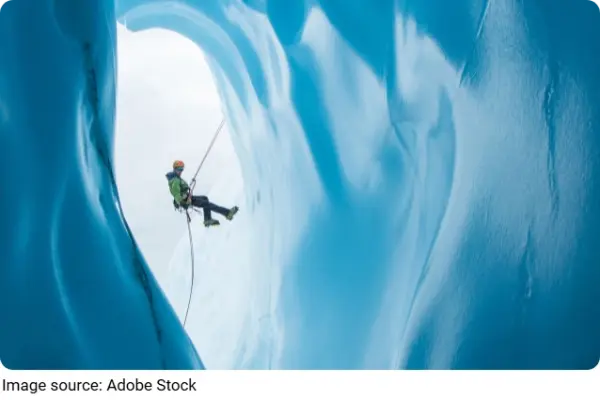
Glacial ice becomes super dense over centuries, squeezing out air bubbles. It absorbs every color except blue, which is what we see. Not all caves are blue though—volcanic ash can make them grey or black, while snow creates white or turquoise tones.
Visiting an ice cave is seriously one of those once-in-a-lifetime experiences. Whether you're chasing those brilliant blues in winter or exploring year-round options, Iceland's ice caves will leave you absolutely speechless. Just remember to book early, dress warm, and prepare for pure magic!