Beetroot Hummus Delight

Ethan Sullivan
| 24-03-2026
 · Cate team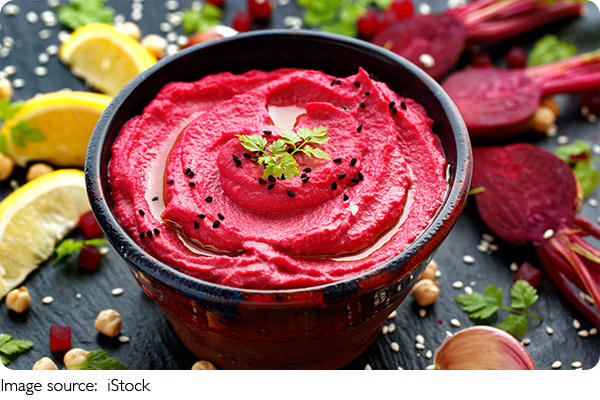
There are dishes that nourish the eyes before they ever reach the lips. Beetroot hummus is one of them. With its striking magenta hue and velvety texture, it transforms the familiar comfort of classic hummus into something unexpectedly bold and beautiful.
But this dip is more than a visual delight. It brings together the earthy sweetness of roasted beets, the creamy richness of tahini, and the bright zing of lemon into a harmonious whole that feels both wholesome and indulgent.
Whether you're looking to impress guests, add more vegetables to your meals, or simply try something new in the kitchen, beetroot hummus delivers on every level. And the best part? It comes together with simple ingredients and a few easy steps, proving that sometimes the most memorable dishes are also the simplest.
Essential Ingredients You'll Need
For the Hummus:
Fresh beetroots: 2 medium (about 250–300g). Roasted or boiled until tender.
Canned chickpeas: 1 can (400g). Drained and rinsed.
Tahini: 3 tablespoons. Stir well before using.
Fresh lemon juice: 3–4 tablespoons.
Garlic: 1–2 cloves. Minced or crushed
Olive oil: 3 tablespoons.
Cold water: 2–4 tablespoons. As needed for consistency
Salt: ½ teaspoon. Adjust as needed
Black pepper: ¼ teaspoon (optional). Freshly ground
Optional Garnishes:
Olive oil: 1 drizzle
Toasted sesame seeds: 1 teaspoon
Fresh parsley or mint: A few sprigs
Crushed pistachios: 1 tablespoon
Preparing the Beets
The first step in making beetroot hummus is making the beets tender and flavorful.
1. Roast for Richer Flavor (Recommended)
Preheat oven to 200°C (400°F). Wrap each beetroot individually in aluminum foil and place on a baking sheet. Roast for 45–60 minutes. Let cool before handling. Roasting concentrates the natural sweetness and adds depth.
2. Boil as a Quick Alternative
Place cleaned beetroots in a saucepan of boiling water and simmer with a lid until easily pierced with a fork, usually about 30–40 minutes. Let them cool before handling.
3. Remove Skins
Once cooled, the skins can be peeled off easily. Wear gloves if you want to avoid staining your hands.
4. Chop for Blending
Roughly chop the cooled beets into bite-sized pieces so they blend smoothly with the other ingredients.
This step ensures the beets are soft enough to integrate seamlessly with the chickpeas for a creamy final dip.
Blending the Hummus
Now comes the fun part—turning these ingredients into a luscious hummus.
1. Combine Key Ingredients
In a food processor, add the cooked beets, chickpeas, tahini, lemon juice, garlic, salt, and pepper.
2. Process to Desired Consistency
Blend until the mixture is smooth and even. While blending, drizzle in the olive oil. If the mixture feels too thick, add cold water, one tablespoon at a time, until the hummus reaches a creamy, scoopable consistency.
3. Adjust Seasonings
Taste the hummus and add more lemon juice or salt as needed to balance the sweetness of the beets with brightness and seasoning.
The result is a creamy, velvety spread with a beautiful pink color and layered flavors.
Serving and Pairing Ideas
Beetroot hummus can be enjoyed in many delicious ways.
1. Classic Dip
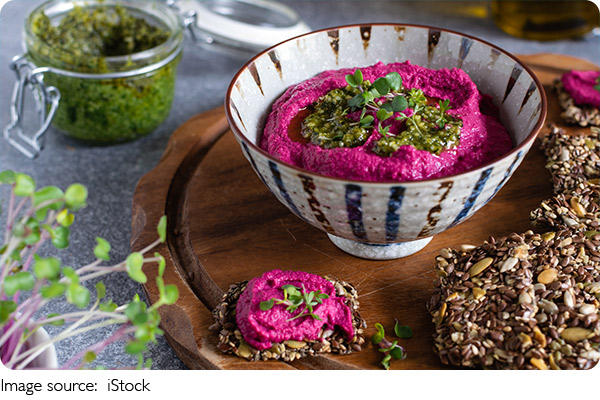
Serve it with fresh vegetable sticks (carrot, cucumber, bell pepper), warm pita bread, or crackers as part of a snack board. The vibrant color makes it a striking appetizer.
2. Spread or Sandwich Add-On
Use the hummus as a spread on wraps, sandwiches, or toast to add moisture and flavor to your meal. It pairs beautifully with roasted vegetables, grilled halloumi, or fresh greens.
3. Salad Enhancement
A dollop of beetroot hummus on grain bowls or green salads pairs wonderfully with roasted vegetables, feta cheese, and fresh herbs like parsley or dill.
4. Pasta Sauce Alternative
Thin the hummus with a little extra olive oil and water, toss with cooked pasta, and top with toasted pine nuts for a quick, colorful vegetarian meal.
Tips for Best Results
1. Roast for Richer Flavor
Roasting the beets deepens their natural sweetness and adds a caramelized note that boiling can't match. If time allows, this extra step is well worth it.
2. Use Fresh Lemon
Fresh lemon juice is more vibrant than bottled versions and brightens the overall taste of your hummus.
3. Serve Fresh
Beetroot hummus tastes best when served fresh or within a couple of days, kept in an airtight container in the refrigerator. The color may deepen slightly over time, but the flavor remains delicious.
4. Customize to Taste
Add a pinch of cumin or smoked paprika for warmth, or stir in a teaspoon of harissa for heat. You can also top with toasted seeds, fresh herbs, or a drizzle of pomegranate molasses for extra flair.
5. Make It Ahead
This hummus actually benefits from sitting for an hour or two, allowing the flavors to meld. Just bring it to room temperature before serving and stir in a little olive oil to refresh the texture.
Beetroot hummus is proof that simple ingredients can create something unforgettable. Earthy beets become silk, chickpeas become cream, and with a little curiosity, you turn everyday staples into a dish that delights the eyes and the palate. Lykkers, enjoy every colorful scoop—and take pride in making something this beautiful with your own hands.