Mountain Climbing Essentials

Arvind Singh
| 26-03-2026
 · Travel team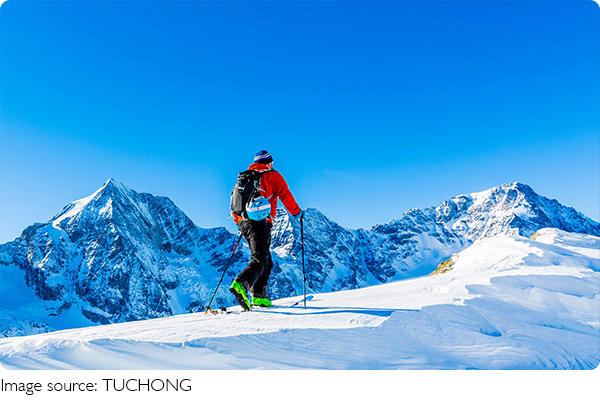
Climbing snow-covered mountains is both exhilarating and demanding. The cold, slippery terrain, and unpredictable weather require not only physical stamina but also the right equipment.
Proper preparation can mean the difference between a successful summit and a dangerous expedition. Understanding which gear is essential helps climbers stay safe, comfortable, and confident on icy peaks.
Clothing: Layer Up for Safety
1. Base Layers
Moisture-wicking base layers keep sweat away from the skin, reducing the risk of hypothermia. Synthetic or merino wool materials are highly recommended.
2. Insulating Mid-Layers
Fleece or down jackets provide warmth. Layering allows climbers to adjust insulation depending on temperature changes.
3. Outer Shell
A waterproof, windproof shell protects against snow, wind, and freezing rain. Durable materials are ideal for harsh mountain conditions.
4. Accessories
Thermal gloves, hats, balaclavas, and neck gaiters prevent frostbite in extreme cold. Sunglasses or goggles protect eyes from snow glare.
Footwear and Traction: Step Confidently
1. Mountaineering Boots
Insulated, waterproof boots with rigid soles are essential for stability on snow and ice.
2. Crampons
Crampons attach to boots, providing grip on ice and hard-packed snow. Choosing the right type based on terrain is critical.
3. Gaiters
Gaiters prevent snow from entering boots, keeping feet dry and warm throughout the climb.
Climbing Equipment: Tools for the Ascent
1. Ice Axes
Ice axes provide balance and safety on steep slopes, assisting in self-arrest if a slip occurs.
2. Ropes and Harnesses
Essential for glacier travel or technical climbs, ropes and harnesses ensure safety in risky areas.
3. Helmets
Helmets protect from falling ice and rocks, an often overlooked but vital safety tool.
Survival Essentials
1. Backpacks and Hydration
A sturdy backpack carries gear efficiently. Hydration systems prevent dehydration in cold environments where thirst may not be obvious.
2. Navigation Tools
Maps, GPS devices, and compasses are crucial for route planning and avoiding disorientation in snowstorms.
3. Emergency Supplies
First aid kits, emergency bivouac sacks, and signaling devices are lifesaving during unexpected incidents.
Conclusion: Preparation Leads to Triumph
Climbing snowy mountains is a test of endurance, skill, and courage. The right gear allows climbers to face extreme conditions confidently and safely. Beyond the physical challenge, preparation fosters mental resilience, teaching patience, adaptability, and respect for nature's power. Each item on the checklist is more than a tool—it's a lifeline that transforms a risky endeavor into a rewarding adventure. Proper equipment does not guarantee an easy climb, but it ensures that every step is deliberate, safe, and purposeful.