Cacio e Pepe Magic

Chris Isidore
| 10-04-2026
 · Cate team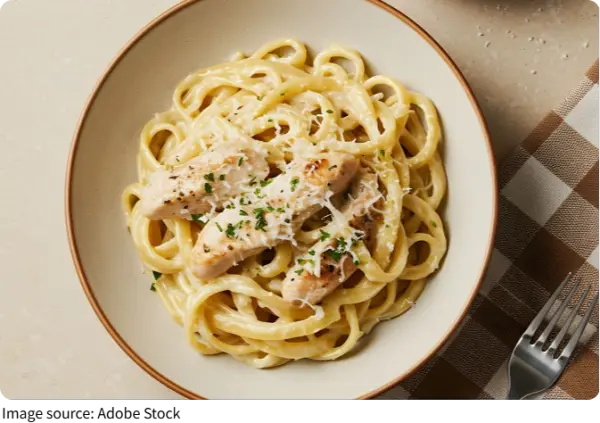
Among Rome's iconic pasta dishes, cacio e pepe stands out for its elegant simplicity. Made with just pasta, freshly ground black pepper, and Pecorino Romano cheese, it captures the essence of Italian cooking: minimal ingredients, maximum flavor.
This version adds butter to help emulsify the sauce, letting the pepper bloom for a deep, aromatic taste. A touch of Parmesan balances Pecorino's sharpness with nutty richness, creating a creamy, indulgent coating on each strand of pasta.
Ingredients You'll Need
For the Pasta:
12 oz bucatini (or spaghetti)
3 Tbsp unsalted butter
For the Cheese & Pepper:
1 cup finely grated Pecorino Romano (~3.5 oz / 100 g)
1/4 cup finely grated Parmesan (~1 oz / 30 g)
2 tsp freshly cracked black pepper (~4 g)
Tools:
• Large saucepan for boiling pasta
• Skillet for sauce
• Tongs or pasta fork
Step-by-Step Instructions
1. Cook the Pasta: Bring a large saucepan of salted water to a boil. Cook pasta until just al dente. Reserve 1 cup of pasta water before draining.
2. Toast the Pepper: In a large skillet over medium heat, melt the butter and add cracked black pepper. Cook until fragrant, about 1–2 minutes.
3. Emulsify the Sauce: Reduce heat to low. Gradually add Pecorino and Parmesan to the skillet, stirring constantly. Slowly incorporate reserved pasta water until the sauce reaches a creamy consistency.
4. Combine Pasta and Sauce: Add the drained pasta to the skillet. Toss until each strand is coated evenly. Adjust seasoning with salt and additional pepper if needed.
5. Serve Immediately: Plate the pasta in shallow bowls and sprinkle extra cheese and pepper on top for presentation.

Tips for Perfect Cacio e Pepe
1. Cheese Matters: Use freshly grated Pecorino and Parmesan. Pre-grated cheese often clumps and won't melt smoothly.
2. Pasta Water: Always reserve some pasta water. The starch helps bind the cheese and butter into a creamy sauce.
3. Pepper Blooming: Toasting the pepper in butter releases its oils, enhancing flavor.
Notes on Authenticity
Some cooks like to add extras such as garlic or peas. Purists argue that true cacio e pepe thrives in simplicity—any additions transform it into a different dish entirely. Carbonara, pasta primavera, or other recipes each have their own identity; cacio e pepe remains a celebration of minimal ingredients done perfectly.
Reflection
The beauty of cacio e pepe lies in restraint. With only a few components, it teaches the value of technique over complexity. Mastering this dish is a reminder that sometimes less truly is more, and elegance can be found in simplicity. Every bite is a lesson in balance, flavor, and the art of Italian cooking.