Classic French Madeleines

Pardeep Singh
| 30-03-2026
 · Cate team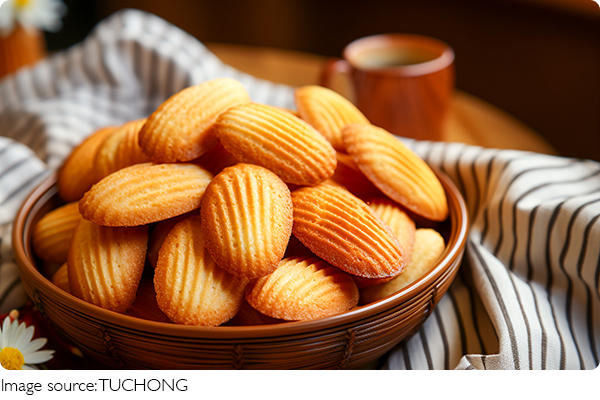
Madeleines are small, shell-shaped sponge cakes that have become synonymous with French elegance and hospitality.
Originating in the Lorraine region of France, these cakes are celebrated for their delicate texture, buttery aroma, and subtly sweet flavor.
Though they appear simple, perfecting madeleines requires attention to detail, precise folding, and an understanding of temperature and timing. Baking them at home allows enthusiasts to experience a classic European treat that pairs beautifully with tea or coffee, while offering an artistic touch to everyday desserts.
Ingredients and Their Role
The beauty of madeleines lies in using quality ingredients, each contributing to the cake's structure and flavor.
- 1 cup (125g) all-purpose flour – provides structure without weighing down the cake
- 1/2 teaspoon baking powder – ensures a light, airy texture.
- 1/4 teaspoon salt – enhances flavor and balances sweetness
- 2 large eggs – whipped to create a sponge-like lift
- 2/3 cup (130g) granulated sugar – adds sweetness and helps with browning
- 1 teaspoon vanilla extract – offers aromatic depth
- 1 tablespoon lemon zest (optional) – brightens the flavor
- 1/2 cup (115g) unsalted butter, melted and cooled – creates a tender, moist crumb.
Choosing fresh eggs and high-quality butter is crucial. The lemon zest is optional but adds a traditional French nuance that elevates the overall taste.
Preparing the Batter
The batter-making process determines the final texture:
1. Preheat the oven to 375°F (190°C) and grease the madeleine pan thoroughly with butter or baking spray.
2. Whisk eggs, sugar, and vanilla extract in a bowl for 5–7 minutes until pale, thick, and slightly ribboning when lifted. This incorporates air into the batter, forming a light sponge.
3. Sift together the flour, baking powder, and salt to remove lumps, then fold gently into the egg mixture using a spatula. Overmixing will deflate the batter, creating dense madeleines.
4. Slowly add the cooled melted butter, folding carefully to maintain the airy texture.
5. Cover the batter and chill for 30–60 minutes. Chilling is key to forming the signature dome during baking, as the cold batter meets the hot oven.
Baking the Perfect Madeleines
1. Spoon the chilled batter into each mold, filling about 3/4 full.
2. Bake for 10–12 minutes. The cakes are done when their edges turn golden, a subtle dome appears, and they spring back lightly when touched.
3. Remove the pan from the oven and let the madeleines cool slightly before releasing them. This prevents sticking and preserves their delicate shape.
4. Transfer to a wire rack to cool completely; dust lightly with powdered sugar or drizzle with melted chocolate if desired.
Tips for Baking Success
- Avoid overmixing the batter; gentle folding preserves the light sponge.
- Ensure the batter is well-chilled before baking to achieve the iconic dome.
- Use a high-quality madeleine pan for even heat distribution, crisp edges, and proper browning.
- Experiment with flavor additions, such as orange zest, almond extract, or a small pinch of cinnamon for variety.
Serving and Pairing
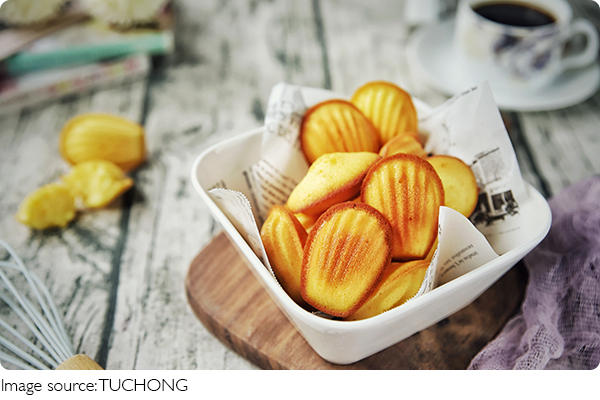
Madeleines are best served slightly warm with tea, coffee, or a delicate infusion like chamomile. They can also be dipped in chocolate or lightly brushed with a sugar glaze. Their size makes them ideal for entertaining, and their presentation adds a touch of elegance to any table.
Conclusion: Baking as an Art and Pleasure
Creating perfect madeleines combines culinary technique with mindfulness. From whisking the eggs to folding in butter, every step influences texture and flavor. The reward is a batch of golden, shell-shaped cakes with a light, tender crumb that offers both visual and sensory pleasure. Baking madeleines at home allows you to connect with a piece of French heritage while celebrating the art of simple, thoughtful dessert making. Each bite becomes a reflection of patience, care, and joy, reminding us that even small cakes can deliver immense satisfaction.