Clean Energy in Transport

Chris Isidore
| 26-03-2026
 · Travel team
Transportation is one of the largest contributors to greenhouse gas emissions worldwide.
As cities grow and mobility demands increase, the need for sustainable, clean energy solutions becomes urgent.
From electric vehicles to green infrastructure, innovations in transport technology are transforming the way we move while reducing environmental impact.
Electric Vehicles: Driving a Cleaner Future
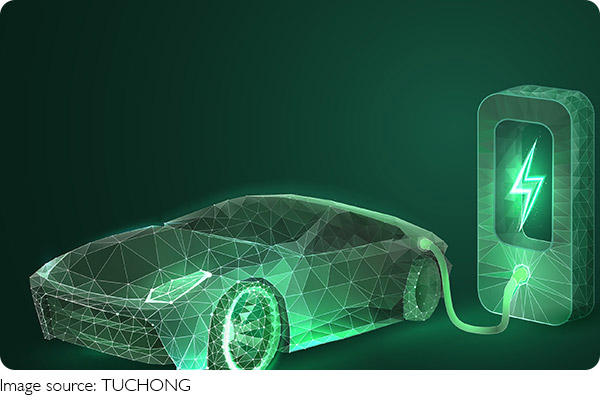
Electric vehicles (EVs) are at the forefront of clean transportation. Powered by rechargeable batteries, EVs eliminate tailpipe emissions, helping to reduce urban air pollution and combat climate change.
1. Types of EVs: Battery Electric Vehicles (BEVs) run entirely on electricity, while Plug-in Hybrid Electric Vehicles (PHEVs) combine a gasoline engine with electric power for extended range.
2. Charging Infrastructure: Public charging stations and home-based chargers make EV adoption more practical, with fast-charging technology reducing downtime for long-distance travel.
3. Environmental Impact: Compared to conventional vehicles, EVs significantly lower CO₂ emissions, especially when powered by renewable energy sources.
Zero-Emission Transport Technologies
Beyond electric cars, a variety of clean transport solutions are emerging. Hydrogen fuel cell vehicles, e-bikes, and electric buses are gaining popularity in urban areas. These options reduce reliance on fossil fuels and help cities meet climate targets.
1. Hydrogen Vehicles: Convert hydrogen into electricity, producing only water vapor as a byproduct.
2. Electric Public Transit: Buses and trams powered by electricity reduce emissions for daily commuters, while providing efficient mass transport.
3. E-Bikes and Scooters: Micro-mobility solutions reduce congestion, energy use, and parking demand in urban centers.
Green Infrastructure and Sustainable Roads
The impact of clean transport extends beyond vehicles themselves. Green infrastructure, such as solar-powered highways and eco-friendly road materials, complements the shift to zero-emission transport.
1. Solar Roads: Embedded solar panels generate electricity for nearby EV charging stations and street lighting.
2. Sustainable Pavements: Materials like recycled asphalt or permeable concrete reduce environmental footprint and improve durability.
3. Smart Traffic Systems: IoT-enabled traffic lights and connected transport networks optimize traffic flow, cutting unnecessary fuel use and emissions.
Conclusion
Transitioning to clean energy in transportation is more than a technological challenge—it is a societal shift. Electric vehicles, hydrogen technology, and green infrastructure collectively reduce environmental impact while promoting healthier, more livable cities. Every mile traveled using zero-emission solutions contributes to cleaner air, less carbon in the atmosphere, and a sustainable future for generations to come.
Adopting these innovations is not just an option; it is a responsibility toward our planet.