Frozen Cave Secrets

Camille Dubois
| 26-03-2026
 · Travel team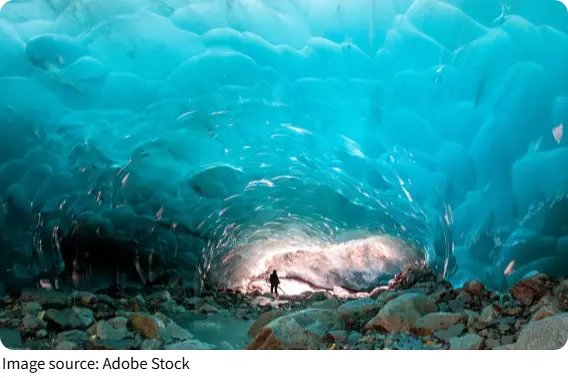
Hey Lykkers! Have you ever visited an ice cave or wondered how it stays icy even when the world outside warms up? These natural wonders are not just beautiful—they’re a perfect mix of water, air, and pressure.
Today, we’ll explore step by step how ice caves form and stay cold, so you can appreciate their frozen magic even more.
Step One: Water Meets Vertical Cavities
It all begins when river water flows into vertical cavities in the riverbed. According to fluid dynamics, areas of the cave above the water outlet can develop negative pressure. This negative pressure pulls air from tiny cracks in the surrounding rock into the water, creating “bubble-laden water.” Imagine tiny air pockets traveling with the river water—it’s like nature adding secret ingredients before freezing begins.
Step Two: Entering the Underground Hall
Next, this bubble-laden water reaches an underground cave hall. At this point, water pressure becomes very strong. Just 10 meters below the water surface, pressure is nearly 1 atmosphere. At 100 meters, it can reach almost 10 atmospheres! This high pressure helps separate air from water later on. Picture the cave as a giant pressurized chamber, quietly preparing for ice formation.
Step Three: Air Bubbles Rise
As the water slows down in the hall, air bubbles start to float to the surface. These bubbles merge into pockets of pressurized air, and their pressure equals the water around them. It’s like nature’s own carbonation system, only instead of fizz, it’s preparing icy magic. These air pockets are key—they carry both energy and the potential for freezing water later.
Step Four: Pressurized Air Escapes
This pressurized air doesn’t stay trapped. Slowly, it seeps through cracks at the top of the cave hall. Think of it like the cave breathing—air moves into dry sections of the cave, where pressure begins to drop. This step is critical because it sets up the perfect environment for ice to form. Without this escape of pressurized air, the cave wouldn’t become icy.
Step Five: Ice Forms in Dry Cavities
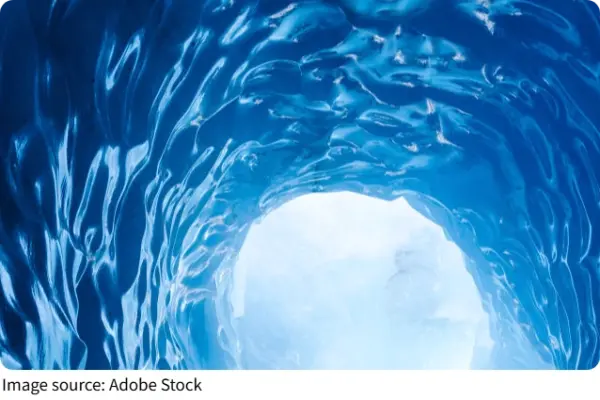
Once the air reaches a dry cavity, pressure drops. According to fluid dynamics, temperature drops as pressure decreases—similar to how a refrigerator works. Water vapor in the air condenses and freezes, gradually turning the dry cavity into an ice cave. Tiny crystals form first, then merge into bigger ice layers over time. This is why ice caves can survive for years, even when river water flow varies.
Seasonal Changes Affect Ice
Even though ice caves are remarkably stable, they do feel seasonal changes. During summer, rivers often swell, bringing more water to the cave. This helps maintain cooler temperatures inside the cave. In winter, water flow can drop, sometimes even stopping, which may allow temperatures in the cave to rise slightly. However, the cave’s structure usually keeps ice intact, letting us enjoy its frozen beauty for a long time.
Tips for Visiting Ice Caves
If we ever plan a visit, a few things make the trip easier and more enjoyable. Wear layered clothing—even in summer, ice caves can be freezing. Non-slip shoes are essential because icy floors are slippery. Bringing a flashlight helps, especially in less-illuminated areas. And remember, these caves are fragile. Avoid touching or breaking the ice to preserve its natural formation.
Why This Matters
Understanding how ice caves form gives us more than just cool science facts. It shows the incredible balance of natural forces—water, air, and pressure—creating something that feels almost magical. Next time we visit, we’ll see more than ice; we’ll see a carefully crafted natural phenomenon that has been forming for years.
Join the Adventure
So, Lykkers, are we ready to explore an ice cave together? Knowing the science behind it makes every step inside more exciting. The frozen halls, glistening walls, and sparkling floors aren’t just beautiful—they’re a story of nature’s secret processes. Keep your curiosity alive, and every visit becomes an unforgettable adventure in the coolest classroom imaginable!