Fresh DIY Cheese

Pardeep Singh
| 30-03-2026
 · Cate team
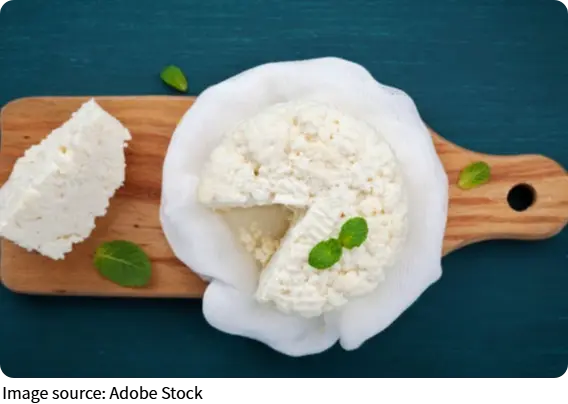
Today we’re making homemade creamy cheese from scratch. This cheese is soft, spreadable, and perfect for toast, sandwiches, or even desserts.
The best part? You don’t need lemon juice or cream—just simple ingredients you probably already have at home. Making cheese this way is cost-effective, surprisingly quick, and fun to do.
We love this recipe because it’s customizable. Depending on how much vinegar you use and how long you drain the curds, you can make cheese that’s tangy or mild, moist or firmer. Once you try it, you’ll realize homemade cheese is fresher and tastier than store-bought versions.
Ingredients You’ll Need
- Full-fat milk: 1 liter (any standard brand works)
- White vinegar: 45 grams (about 3 tablespoons, can adjust to taste)
- Salt: 3–4 grams (about ½ teaspoon)
Optional tools:
- Medium saucepan
- Spoon or spatula for stirring
- Cheesecloth or muslin
- Colander or sieve
- Blender or food processor
- Bowl or storage container
One liter of milk will produce roughly 160 grams of creamy cheese. The leftover whey can be used for bread, smoothies, or other baking projects.
Step 1: Heat the Milk
1. Pour 1 liter of full-fat milk into a medium-sized saucepan.
2. Heat the milk over medium-high heat until it begins to boil gently.
3. Stir occasionally to prevent the milk from sticking or burning.
Tip: Heating slowly is fine, but medium-high is faster if you’re impatient. Once it starts boiling, reduce to low before adding vinegar.
Step 2: Add Vinegar to Curdle
1. Reduce heat to low.
2. Slowly add 45 grams (3 tablespoons) of white vinegar while stirring gently.
3. You’ll immediately see the milk separate into curds (solid) and whey (liquid).
Tip: More vinegar makes tangier cheese and tangier whey. If you want the leftover whey mild for baking, use a little less.
Step 3: Strain the Curds
1. Place a colander over a bowl and line it with cheesecloth or muslin.
2. Pour the curdled milk carefully into the cloth.
3. Let it drain for 5–10 minutes.
Tip: You can let the milk cool first, but pouring it hot works too. If you want firmer cheese, gently squeeze the curds to remove more whey.
Step 4: Blend with Salt
1. Transfer the drained curds to a blender or food processor.
2. Add 3–4 grams of salt (about ½ teaspoon).
3. Blend until smooth and creamy.
Tip: Adjust moisture based on your plan:
- For baking or cheesecakes: blend until drier.
- For spreading: leave it creamier.
Step 5: Achieve the Right Texture
1. Continue blending until the cheese becomes fluffy and soft.
2. Test with a spoon—if it spreads easily and feels creamy, it’s done.
The texture can be customized: soft and light for spreading, or slightly firmer if you want to cut it into shapes for cooking or desserts.
Step 6: Serve or Store
1. Scoop the cheese into a clean bowl or airtight container.
2. Use immediately on toast, sandwiches, or desserts.
3. Store in the fridge for up to 1 week.
Tip: Wash hands thoroughly before handling curds to ensure cleanliness. Always use clean tools and containers.
Tips for Best Results
- Stir gently while curdling to ensure even texture.
- Adjust vinegar for tanginess according to taste.
- Drain the curds to your desired moisture level.
- Use leftover whey in bread, smoothies, or cooking.
Why This Method Works
This method uses the natural reaction between milk and vinegar to separate curds from whey. It’s simple and doesn’t require cream or lemon juice. By controlling vinegar and draining, we can adjust cheese flavor and texture easily. It’s efficient, economical, and perfect for fresh homemade cheese anytime.
Final Thoughts
We love this recipe because it proves homemade cream cheese is easy, affordable, and delicious. With just milk, vinegar, and salt, we’ve created soft, flavorful cream cheese perfect for many uses. Next time you want fresh cream cheese but don’t want to buy it, try this method—you’ll feel like a mini cheesemaker, and the results will impress everyone!
How to Make Cream Cheese - Gemma's Bold Baking Basics Ep 11
Video by Bigger Bolder Baking with Gemma Stafford