Flowers Boost Mood & Mind
Arvind Singh
| 31-03-2026
 · Lifestyle team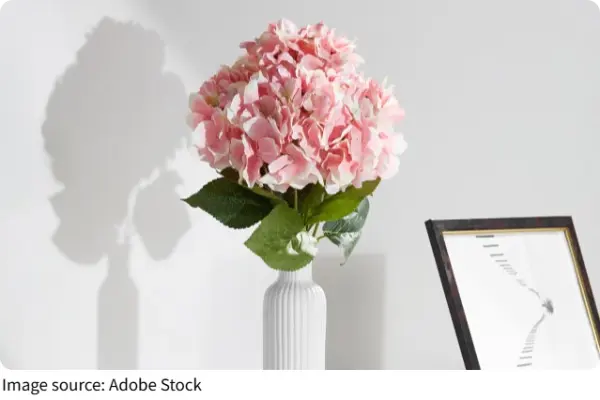
Flowers are more than just beautiful decorations; they are natural tools that can enhance mental and emotional wellbeing.
Studies show that simply being around flowers or incorporating them into daily life can lift spirits, reduce stress, and foster a sense of calm.
From aromatic blooms to vibrant arrangements, flowers provide subtle yet powerful effects that enrich our psychological health.
Psychological Benefits of Flowers
Flowers impact the mind in several measurable ways:
- Mood Enhancement: Exposure to flowers has been shown to increase feelings of happiness and life satisfaction. Simply seeing colorful blooms can trigger positive emotions and improve your daily outlook.
- Stress Reduction: Interacting with flowers or spending time in gardens reduces cortisol levels, which can help lower stress and anxiety.
- Cognitive Benefits: Caring for plants and arranging flowers can improve focus, attention, and memory through mindful engagement.
These benefits make flowers a practical and accessible method to improve mental health, suitable for both home and workplace environments.
Flowers in Therapeutic Practices
Flowers are widely used in holistic and therapeutic practices:
- Aromatherapy: Essential oils from flowers like lavender, rose, and chamomile are used to calm the nervous system and enhance relaxation.
- Green Therapy: Also known as horticultural therapy, this involves gardening and interacting with plants to boost mood and provide a sense of accomplishment.
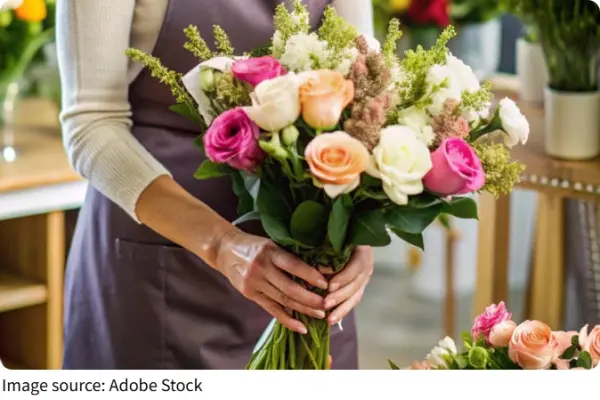
- Floral Arrangement Therapy: Creating flower arrangements encourages mindfulness, reduces anxiety, and fosters creativity.
These practices show that flowers are not only visually appealing but also scientifically effective in promoting emotional balance.
Practical Ways to Include Flowers in Daily Life
Integrating flowers into everyday routines is simple and effective:
- Home Decor: Place fresh flowers in bedrooms or living spaces to naturally enhance mood and create a calming environment.
- Outdoor Time: Spend time in gardens, parks, or community flower spaces to experience the restorative effects of nature.
- Gifting and Sharing: Giving flowers can strengthen social bonds and create emotional connections that benefit both the giver and the receiver.
These small actions can accumulate into significant improvements in overall mental and emotional wellbeing.
Conclusion: The Subtle Power of Blooms
Flowers are more than ornamental—they are natural allies for emotional and mental health. By integrating blooms into our surroundings and daily routines, we can reduce stress, enhance mood, and foster mindfulness. Taking time to appreciate and interact with flowers is a gentle reminder to slow down and embrace the beauty in life, one blossom at a time.