Human Robot Future

Raghu Yadav
| 27-04-2026
 · Lifestyle team
We are living in a time where intelligent machines are improving at an incredible speed. It almost feels like the world is entering a new stage, where humanoid robots are no longer just concepts from imagination, but real assistants starting to appear in everyday life.
We are moving into a time where these robots are designed to walk, interact, and support us in practical ways. They are not here to replace human life, but to make it smoother, more efficient, and more connected.
From household routines to professional environments, their presence is slowly expanding, and the impact will be felt across many areas of life. This integration represents a shift toward a more collaborative era where technology adapts to human needs rather than just performing programmed commands. As these machines become more integrated into our surroundings, they will transition from being mere tools to becoming dependable partners in our journey toward a more efficient future.
Home Life: Everyday Support Becomes Real
In the near future, home life may feel much easier and more organized. Humanoid robots are expected to take on simple but time-consuming tasks that we usually handle every day.
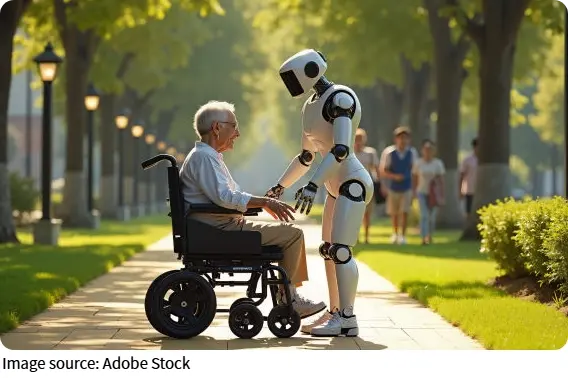
We might come home and find a more orderly space without having to spend extra time cleaning. These robots could help organize objects, prepare basic meals, and maintain a tidy environment. They are also expected to assist older family members by offering reminders for daily routines and providing friendly interaction throughout the day.
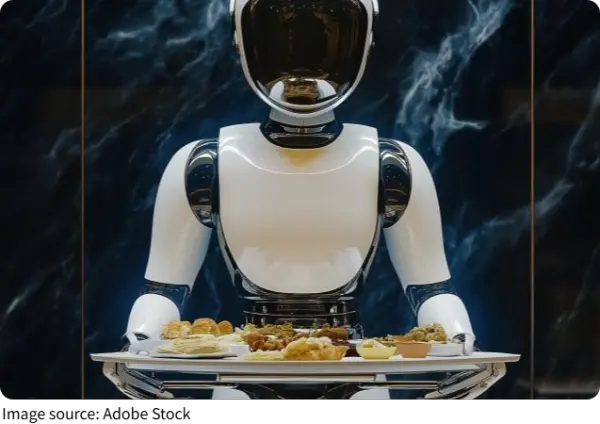
For younger members of the household, robots may act as learning companions. They can help explain lessons, guide study habits, or simply provide interactive games that encourage creativity and thinking skills.
Over time, these machines are expected to become more responsive and better at understanding human needs. Instead of just following instructions, they may learn patterns in daily life and adjust their behavior accordingly. This could make home environments feel more comfortable and supportive for everyone. By recognizing personal preferences, such as preferred lighting or typical meal times, these assistants will create a more intuitive living experience. This evolving connection ensures that technology serves as a seamless extension of the household rather than just a mechanical addition.
Workplace: A New Kind of Collaboration
In workplaces, humanoid robots are starting to become useful partners in many industries. Their role is especially strong in environments that involve repetitive or physically demanding tasks.
We can imagine robots helping move materials, assisting in assembly processes, or handling simple logistics tasks. Their strength lies in consistency and endurance. They do not get tired, and they can maintain stable performance over long periods.
In service environments, robots may also help guide people, manage basic requests, or organize information. This helps reduce waiting times and improves overall efficiency.
At the same time, office environments are also seeing the use of intelligent systems that assist with document organization, data checking, and routine communication tasks.
However, the goal is not to replace human workers. Instead, robots handle repetitive tasks while people focus on creativity, planning, and decision-making. This balance allows humans and machines to work together more effectively, improving productivity and reducing pressure on workers.
Healthcare: Supporting Care and Recovery
Healthcare is one of the most important areas where humanoid robots can make a meaningful difference.
In medical procedures, robotic systems can support professionals by performing highly precise movements. This can improve accuracy and reduce risks during sensitive operations. As a result, patients may experience safer procedures and smoother recovery.
In rehabilitation, robots can guide individuals through structured recovery exercises. They can track progress, adjust difficulty levels, and provide consistent support over time. For example, someone recovering physical movement ability may practice guided exercises daily with robotic assistance, helping rebuild strength step by step.
In diagnostic support, intelligent systems can analyze medical information quickly and highlight important patterns. This helps medical professionals make faster and more informed decisions, improving the chances of early treatment.
Overall, robots in healthcare are designed to support human experts, not replace them, improving both efficiency and patient care quality.
Education: A More Interactive Way to Learn
Education is also becoming more dynamic with the help of humanoid robots. Learning is shifting from passive listening to active interaction.
We can imagine classrooms where robots demonstrate scientific ideas through movement and visual interaction. Complex concepts become easier to understand when they are shown in action rather than just explained in words.
These robots can also answer student questions, guide problem-solving step by step, and offer personalized suggestions based on each learner’s progress. This creates a more flexible learning experience that adapts to individual needs.
For students who require additional support, robots can provide alternative learning methods such as voice-based explanations or visual demonstrations. This helps make education more inclusive and accessible.
With these tools, students may feel more engaged and motivated, turning learning into a more enjoyable experience rather than a difficult task.
A Future We Are Stepping Into Together
As we look ahead, it is clear that humanoid robots will gradually become part of many areas of life. They will support us at home, assist in workplaces, help in healthcare, and enhance education.
Of course, this transformation will also bring new challenges that we need to understand and manage carefully. Questions about responsibility, balance, and adaptation will become important as technology continues to grow.
Still, the overall direction is full of opportunity. Instead of replacing human life, these technologies are shaping a future where humans and intelligent machines work side by side.
So Lykkers, are we ready to live in a world where humanoid robots quietly become part of our daily routines? The change has already started, and the future is unfolding faster than we think.