Idle Car Effects

Sofia Alvarez
| 27-04-2026
 · Automobile team
A parked vehicle may look completely fine from the outside, but its internal condition can quietly change over time. Many systems inside are designed to work through regular movement and circulation.
When the vehicle stays still for too long, these systems gradually shift from stable operation to slow decline.
The effects are not immediate, but they build up step by step and may show up later in unexpected ways. Let’s take a closer look at what happens when a vehicle is left unused for an extended period.
Power Supply Weakening Over Time
When we do not start the vehicle regularly, the power storage unit gradually loses charge. Even without usage, a slow self-discharge process continues. Over time, internal chemical changes increase resistance and reduce efficiency. Once this happens, restarting the engine becomes difficult, especially after long inactivity. In some cases, the unit may no longer hold sufficient energy and needs replacement. This is one of the earliest and most common effects of long-term parking.
Lubrication Fluid Changes Inside the Engine
Inside the engine, the lubrication fluid gradually settles when the system is inactive. This separation means that the upper components lose protection. When the vehicle is started again without preparation, friction increases before proper circulation begins. Additionally, exposure to air over time can cause slow oxidation of the remaining fluid, reducing its protective ability. If we ignore this situation, mechanical wear may accelerate, and startup performance may become rough.
Tire Shape and Pressure Changes
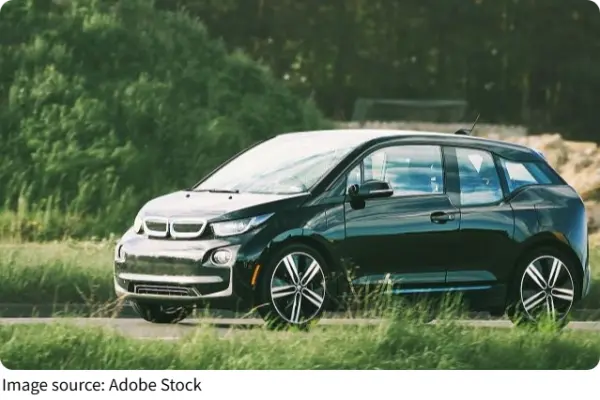
Another important effect appears in the rubber wheel system. When a vehicle remains stationary, weight stays concentrated on fixed contact points. This pressure can gradually deform the structure of the rubber surface. At the same time, internal pressure slowly decreases over time. The longer the inactivity period, the more noticeable the imbalance becomes. Once deformation occurs, it may not fully recover, leading to vibration or uneven movement when driving again.
Mechanical Components Aging Slowly
Even when not in use, internal assemblies such as the engine, transmission system, and steering assistance mechanism continue to experience minor natural wear. This is mainly due to residual moisture, temperature changes, and internal material interaction. Without regular movement, lubrication circulation is reduced, which increases friction in certain areas. Over time, this can lead to reduced responsiveness and less smooth operation when the vehicle is restarted.
Surface Layer and External Exposure
The outer protective layer of the vehicle is also affected during long inactivity. Environmental elements such as humidity, dust particles, and temperature variation can slowly interact with the surface coating. Chemical reactions may form thin deposits that are not easy to remove. If left unattended, the finish may lose its original smooth appearance. Regular cleaning and movement help reduce this gradual exposure effect.
Body Material and Structural Aging
Beyond the surface, the metal structure underneath can also experience gradual changes. Moist environments, especially enclosed parking spaces, can speed up this process. Over time, small areas may begin to show early signs of deterioration. While this does not happen instantly, continuous inactivity increases the likelihood of long-term structural weakening. Proper ventilation and periodic movement can help slow this process.
Brake Assembly Sensitivity Reduction
One of the most important safety systems is the braking mechanism. When unused for extended periods, it may react with moisture and oxygen in the air. This interaction can gradually create surface changes that reduce efficiency. In more severe situations, performance may become inconsistent. That is why regular activation is important to maintain responsiveness and safety reliability.
Simple Habits Make a Big Difference
So Lykkers, keeping a vehicle unused for too long is not as harmless as it may seem. From power loss to material aging, multiple systems are quietly affected. The good news is that simple habits—such as starting the vehicle occasionally, moving it slightly, and maintaining basic checks—can greatly reduce these effects.
If we take small steps consistently, we can extend the overall condition and performance of the vehicle. Have you ever experienced issues after long parking? Share your experience and let’s learn together how to keep everything running smoothly.