Sleeping Cat Hidden Instinct

Chris Isidore
| 28-04-2026
 · Animal team
A Quiet Corner, a Curled Shape
You glance over, and your cat is asleep again—curled into a soft circle, barely moving except for a gentle rise and fall.
Hours pass, and the scene hardly changes. It may seem excessive, even puzzling, but for cats, long periods of rest are completely natural.
Unlike humans, cats are biologically designed to spend much of their time sleeping. This behavior is not laziness; it is a carefully preserved survival trait.
Natural Instincts from the Wild
Domestic cats share many traits with their wild ancestors. In the wild, energy must be conserved for short bursts of intense activity, such as hunting.
Even though a house cat no longer needs to hunt for survival, this instinct remains deeply embedded.
1. Energy is stored for sudden movement
2. Rest periods help maintain sharp reflexes
3. Sleep supports physical recovery after activity
This pattern explains why cats may seem inactive for long stretches but suddenly become energetic and playful.
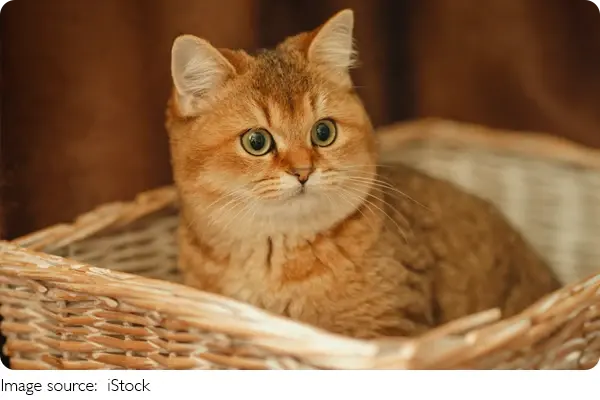
Light Sleep vs Deep Sleep
Not all cat sleep is the same. Much of their rest is actually light sleep, meaning they remain partially alert.
During this stage:
• Ears may twitch at small sounds
• Eyes can open quickly if needed
• Muscles stay ready for movement
Deep sleep occurs for shorter periods, allowing full relaxation and recovery. This balance helps cats stay both rested and responsive.
Age and Sleep Patterns
A cat's age strongly affects how long it sleeps. Kittens and older cats tend to sleep more than young, active adults.
1. Kittens require extra rest for growth and development
2. Mature cats balance sleep with play and exploration
3. Senior cats sleep longer due to reduced energy levels
These variations are normal and reflect the body's changing needs over time.
Environment and Comfort
Cats are highly sensitive to their surroundings. A safe, quiet environment encourages longer and deeper sleep.
They often choose:
• Warm spots with consistent temperature
• Elevated areas for a better view
• Soft surfaces that support their body
When a cat feels secure, it is more likely to enter deeper sleep stages. Frequent disturbances, on the other hand, can lead to shorter and lighter rest cycles.
Energy Efficiency and Diet
Cats are efficient in how they use energy. Their bodies are designed to conserve rather than constantly expend it.
A balanced diet also influences sleep patterns. Proper nutrition supports steady energy levels, while irregular feeding may disrupt normal rest cycles.
Instead of spreading energy evenly throughout the day, cats naturally alternate between rest and short bursts of activity.
When Sleep Might Signal a Problem
Although long sleep is normal, sudden changes in behavior may require attention.
Watch for:
• Loss of interest in surroundings
• Reduced movement even when awake
• Changes in eating habits
If these signs appear together, it may indicate discomfort or health concerns, and observation becomes important.
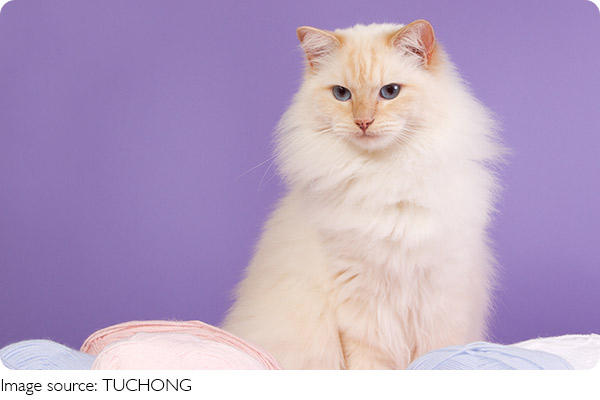
Final Reflection
A cat's love for sleep is not a mystery once you understand its origins. It is a reflection of instinct, energy conservation, and environmental comfort working together.
What appears to be endless rest is actually a finely tuned rhythm—one that balances readiness, recovery, and awareness. In that quiet, curled form lies a system designed for efficiency, not idleness.