The Rise of Electric Cars

Finnegan Flynn
| 28-04-2026
 · Automobile team
You pull up to a charging station instead of a gas pump, plug in, and grab a coffee while your car powers up.
It's no longer a futuristic scene from a movie—electric cars are increasingly common on roads worldwide.
From sleek sports models to family-friendly SUVs, EVs are changing how we think about driving, energy, and the environment.
Why Electric Cars Are Gaining Popularity
Electric vehicles offer more than just a new way to move—they provide quieter rides, instant torque, and fewer emissions. Governments and companies are promoting EV adoption through incentives and infrastructure improvements, making them an accessible choice for many drivers.
Example: Some cities offer free parking and tax credits for EV owners, encouraging adoption.
Actionable tip: Before buying, research local incentives and charging networks to maximize benefits and avoid surprises.
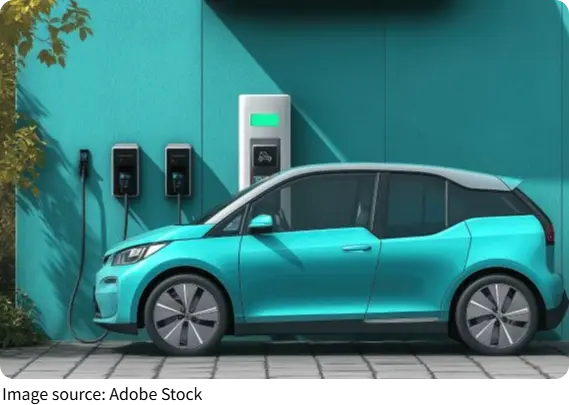
Battery Technology and Driving Range
One of the biggest concerns for new EV drivers is range anxiety—the fear that the battery will run out mid-trip. Advances in lithium-ion and solid-state batteries have increased ranges dramatically, with many models now traveling over 300 miles on a single charge.
Example: The latest electric SUVs can cover 350 miles in mixed driving conditions, making them suitable for long weekend trips.
Tip: Use route-planning apps that include charging stations to ensure a smooth journey and reduce stress during long drives.
Charging Infrastructure and Convenience
Charging options are evolving rapidly, from home chargers to fast-charging stations along highways. Public networks now offer chargers that can provide 80% battery in under 30 minutes, making road trips easier than ever.
Example: Fast-charging networks allow drivers to stop briefly for coffee while their car gets a substantial recharge.
Actionable insight: Installing a Level 2 charger at home can cut charging time by more than half, making overnight charging highly efficient.
Environmental Benefits
Switching to electric cars significantly reduces tailpipe emissions. While electricity production still matters, studies show that EVs produce fewer greenhouse gases over their lifetime compared to gasoline vehicles.
Example: Driving an EV instead of a gas car can save an average of 4,500 pounds of CO₂ per year.
Tip: Pairing an EV with renewable energy sources at home, like solar panels, further enhances environmental benefits and reduces your carbon footprint.
The Cost Equation
While EVs often have a higher upfront price, lower maintenance and fuel costs can make them cheaper over time. Fewer moving parts mean fewer repairs, and charging is often more affordable than gasoline.
Example: On average, EV owners save $500–$700 per year on fuel alone compared to internal combustion vehicles. Actionable advice: Calculate your total cost of ownership—including incentives, fuel, and maintenance—before making a purchase to see the real savings.
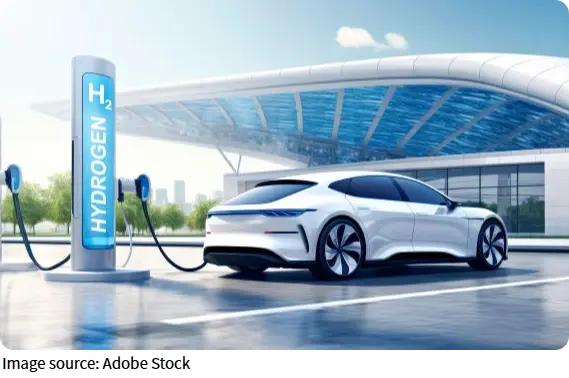
Impact on Urban Life
Electric cars are quieter and produce fewer emissions, which improves city living conditions. Less engine noise makes streets calmer, and reduced local pollution improves air quality for everyone.
Example: Some European and North American cities are introducing EV-only zones to cut urban pollution and encourage cleaner transport.
Tip: If you live in a city, check for EV-friendly parking or incentives to enhance your experience and support urban sustainability.
The rise of electric vehicles is reshaping more than just transportation. They offer environmental benefits, reduce daily driving costs, and pave the way for a new urban landscape with cleaner, quieter streets.
While challenges remain—like charging infrastructure and upfront costs—rapid technological progress and widespread adoption are accelerating the shift. Every plug-in charge, every silent drive down the street, is a small step toward a future where EVs are the norm rather than the exception.
As you consider your next car, it's worth thinking about not just how it drives today, but how it fits into the broader future of mobility.