From Radio to Rolling Tech
Mason O'Donnell
| 28-04-2026
 · Automobile team
You slide into a rental car, tap the screen, and your favorite playlist starts in seconds.
The map zooms in, traffic updates appear, and a calm voice offers a faster route. It all feels normal now. But not long ago, driving entertainment meant twisting a dial and hoping a clear station came through.
Car infotainment systems didn't just appear overnight. They evolved, layer by layer, following how people actually live—listening, navigating, calling, and staying connected while moving.
The Era of Dials and Static
Early dashboards were simple. A radio. Maybe a cassette slot. Later, a CD player. That was it. Entertainment meant whatever signal your antenna could grab.
- Drivers learned small rituals:
- Adjust the antenna at stoplights.
- Memorize which mile marker meant clearer reception.
Carry a binder of discs for long trips.
These systems were passive. You didn't interact much—you accepted what was available.
Limited choice
Manual control
Zero personalization
Actionable example:
If you drive an older vehicle, upgrade the head unit to a modern touchscreen with Bluetooth. It's one of the cheapest ways to transform the entire driving experience in an afternoon.

When Screens Entered the Dash
The first built-in screens felt futuristic. They showed simple maps and basic menus. Navigation was slow, but magical—your car could now tell you where to turn.
Still, these systems were isolated. Updates required physical discs or dealership visits. The interface felt more like a vending machine than a phone.
Drivers began expecting:
- Visual maps instead of paper directions.
- On-screen menus for music.
- A single place to control everything.
Visual guidance
Centralized control
Cleaner dashboards
Actionable example:
If your car has an early navigation screen, check whether firmware updates are still available. A simple update can fix lag, improve route logic, and make the system feel years newer.
Smartphones Change Everything
The real leap happened when cars stopped trying to be computers and started becoming extensions of your phone. Systems mirrored your apps onto the dashboard.
Suddenly, your car understood how you already lived:
- Your playlists came with you.
- Your contacts synced instantly.
- Your map history followed you.
No more learning a new interface for every car. Your habits moved with you.
Familiar apps
Instant updates
Lower learning curve
Actionable example:
Spend five minutes customizing your driving interface. Remove unused apps and place navigation and music front and center. You'll spend less time looking down and more time focused ahead.
Voice Becomes the New Button
Touchscreens solved many problems—but created new ones. Reaching, tapping, and scrolling while driving isn't ideal. Voice control stepped in.
Now you can:
- Send messages without lifting a hand.
- Change music mid-turn.
- Ask for directions while merging.
It's not perfect, but it's improving fast. The system learns your speech patterns and favorite places.
Hands-on-wheel driving
Fewer distractions
Faster actions
Actionable example:
Practice a few core voice commands in a parking lot. Once they feel natural, you'll stop reaching for the screen during real driving.
The Connected Car
Modern infotainment systems aren't just about fun—they're about awareness. They pull data from the cloud, your phone, and the car itself.
You can see:
- Live traffic and rerouting.
- Weather changes along your path.
- Maintenance reminders based on real usage.
- Your dashboard becomes a control center, not just a music player.
Real-time updates
Predictive alerts
Smarter planning
Actionable example:
Enable background updates and data sharing for navigation apps. That way, your car can reroute before you even notice a slowdown.
What's Coming Next
The next wave focuses on anticipation. Systems will learn your routines. Leave work at 5:30? The map opens automatically. Cold morning? Seat heat adjusts before you ask.
Future dashboards may blend screens into the windshield, placing directions in your line of sight. The goal isn't more features—it's fewer interruptions.
Context awareness
Seamless transitions
Calmer driving
Actionable example:
Explore your system's automation settings. Even basic routines—like auto-launching navigation—can reduce small daily friction.
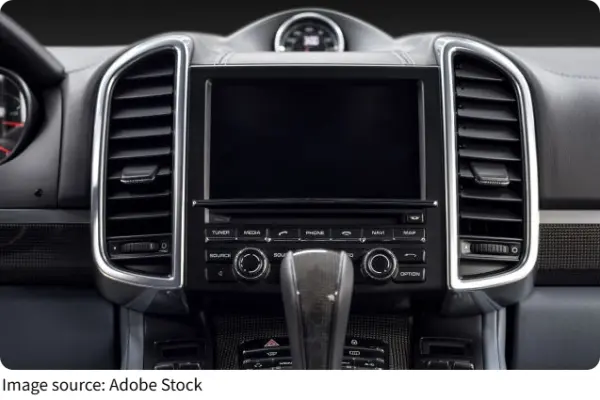
Cars used to be sealed bubbles, cut off from the world. Today, they're rolling extensions of how you already think and plan. The dashboard has become a companion, quietly organizing the chaos of movement.
Next time your map reroutes you around a jam or your music resumes exactly where it left off, remember how far we've come from twisting radio knobs. The road didn't change—but the way you experience it did.