Smart Driving Tips

Finnegan Flynn
| 30-04-2026
 · Automobile team
Ever noticed how some cars seem to age gracefully while others look worn out after just a few years?
Surprisingly, it's not just about brand or mileage—it's often about the daily habits of the driver. The way you accelerate, brake, and handle your car can quietly determine its lifespan.
Let's explore the key ways your driving style affects your vehicle and how small adjustments can make a big difference.

Gentle Acceleration and Braking
Starting and stopping smoothly is more than just comfortable—it protects your engine, brakes, and transmission. Abrupt acceleration puts extra strain on the engine and consumes more fuel, while hard braking wears down brake pads and rotors faster.
Actionable Tip: Try the “two-second rule” for braking. Keep a buffer distance and gradually apply brakes instead of slamming them. Over a month, this habit can noticeably extend brake life and reduce fuel use.
Mind the Engine's Warm-Up
Jumping straight onto high speeds after starting your car can stress the engine, especially on cold mornings. Engine oil circulates slowly at first, so giving the car a minute or two to warm up helps lubricate parts properly and prevents premature wear.
Actionable Tip: During winter or cold mornings, start your car and let it idle for 60–90 seconds before driving. It's a small pause that keeps your engine running smoother over time.
Maintain Consistent Speeds
Stop-and-go traffic or constantly fluctuating speeds doesn't just affect your patience—it impacts your car's fuel system, tires, and suspension. Sudden speed changes increase wear and tear, especially on older vehicles.
Actionable Tip: Use cruise control on highways whenever possible. It keeps your speed steady, improves fuel efficiency, and reduces stress on engine components.
Regular Gear Use in Manual Cars
For drivers with manual transmissions, proper gear selection can prevent strain on the clutch and gearbox. Riding the clutch or shifting at incorrect RPMs can lead to costly repairs.
Actionable Tip: Shift gears at the recommended RPM range—usually between 2,000–3,000 RPM for most cars. Listen to your car's response and avoid holding the clutch while idle. Even small adjustments prevent major clutch wear.
Mind Tire Care
Tires aren't just for grip—they influence fuel economy, suspension, and handling. Over- or under-inflated tires cause uneven wear and reduce safety, while aggressive cornering can accelerate tread loss.
Actionable Tip: Check tire pressure monthly and rotate tires every 8,000–10,000 miles. Smooth cornering and gentle lane changes also reduce tire stress, extending their lifespan significantly.
Keep an Eye on Fluids and Filters
Your daily driving habits affect how quickly fluids and filters degrade. Frequent short trips don't allow the engine to reach optimal temperature, which can contaminate oil and reduce air filter efficiency.
Actionable Tip: Stick to the maintenance schedule, but if most drives are short, consider more frequent oil changes. Cleaning or replacing air filters every 12,000–15,000 miles keeps the engine breathing freely and prevents long-term damage.
Parking and Idling Habits
Where and how you park matters more than you think. Parking in harsh sunlight, near chemicals, or on uneven surfaces can affect tires, paint, and undercarriage. Excessive idling wastes fuel and can contribute to carbon buildup in the engine.
Actionable Tip: Park in shaded, level spots when possible and limit idling to under two minutes. Over time, this keeps paint, tires, and engine components in better shape while reducing fuel costs.
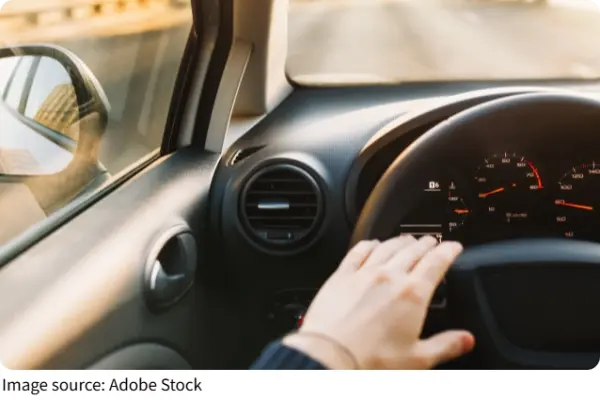
Daily driving habits might seem minor, but they quietly add up. Every smooth brake, careful gear shift, and mindful parking choice contributes to a healthier, longer-lasting car. Treating your car like a daily companion rather than just a machine can save thousands in repairs, improve fuel efficiency, and keep each drive more enjoyable. After all, the way you drive today shapes how your car performs tomorrow.