The Rise of Luxury EVs

Caleb Ryan
| 30-04-2026
 · Automobile team
Electric vehicles (EVs) have come a long way from being a niche option for eco-conscious buyers to becoming a staple of modern automotive culture.
When we think of luxury cars, we often envision powerful engines, sleek designs, and traditional fuel sources.
However, the tide is shifting. The rise of luxury electric vehicles (EVs) is taking the automotive industry by storm, and it's happening faster than many expected.
Let's explore how luxury EVs are shaping the future of transportation, with a focus on innovation, performance, and sustainability.
Why Luxury EVs Are on the Rise
With more consumers becoming environmentally aware, the demand for vehicles that offer both performance and sustainability is on the rise. Traditionally, high-end buyers looked for luxury in terms of speed, power, and comfort. Now, they want these same qualities, but with zero emissions and cutting-edge technology.
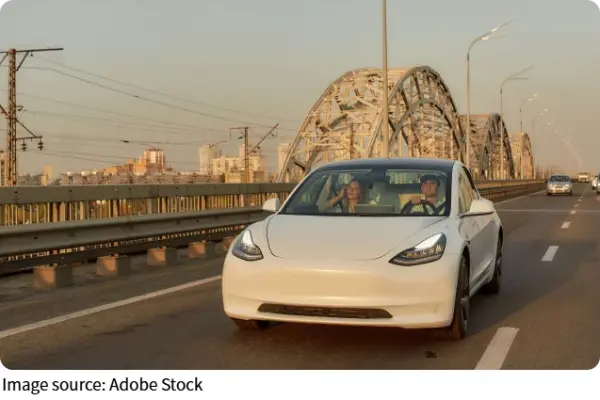
Luxury automakers like Tesla, Porsche, and Audi are leading the charge in offering premium electric vehicles. These brands understand that to stand out in the increasingly crowded EV market, they must blend the high-performance expectations of traditional luxury buyers with the advantages of electric propulsion. For example, the Tesla Model S Plaid offers remarkable acceleration and top speed while being fully electric, catering to the luxury buyer's need for speed and style.
Key Features Defining Luxury Electric Vehicles
So, what makes these luxury EVs stand out from their non-luxury counterparts? It's the combination of performance, technology, and design. Here's how:
1. Performance and Power:
Luxury EVs don't sacrifice speed or power for sustainability. In fact, many electric models can outperform traditional gasoline-powered luxury vehicles in terms of acceleration and handling. The Porsche Taycan, for instance, goes from 0 to 60 mph in just 2.4 seconds, making it one of the fastest electric cars in the world.
2. Advanced Technology:
Modern EVs are equipped with some of the most advanced technology available today. Features like autonomous driving capabilities, customizable infotainment systems, and state-of-the-art battery management systems have become standard. Tesla's Autopilot system, for example, is pushing the envelope on semi-autonomous driving, allowing drivers to experience a futuristic driving experience while still retaining the control they need for safety.
3. Sustainable Materials:
Beyond just being electric, luxury EVs are made using environmentally friendly materials. Manufacturers are increasingly using sustainable leather alternatives, recycled materials, and eco-friendly production techniques. Brands like Audi and BMW are emphasizing eco-friendly interiors and using renewable resources, making their electric vehicles more attractive to environmentally conscious buyers.
The Changing Consumer Mindset
The rise of luxury EVs isn't just about innovation in the cars themselves. It's also about shifting consumer expectations. As more people embrace the idea of reducing their carbon footprint, many high-end buyers are no longer satisfied with owning gas-guzzling sports cars or luxury sedans. They want high performance, but they also want to feel good about their purchase.
For example, BMW's i4 combines the sleek look and performance capabilities of a luxury sedan with an electric powertrain. It offers drivers the thrill of a sports car with the eco-friendly credentials of an electric vehicle. Luxury EV buyers are increasingly looking for a balance of sustainable luxury, and carmakers are responding by offering more options in this space.
Challenges Faced by Luxury EVs
While the growth of luxury EVs is impressive, it's not without its challenges. One of the biggest obstacles to wider adoption is the infrastructure. Although EV charging stations are growing, they're still not as ubiquitous as gas stations.
Charging times remain a concern, with even the best systems taking longer to recharge than it takes to fill up a gas tank. Brands like Tesla have worked hard to improve this with their network of Supercharger stations, but there's still a need for further innovation in fast-charging technology and widespread infrastructure.
Battery range is another challenge. While some luxury EVs now offer over 300 miles per charge, range anxiety is still a concern for potential buyers. However, improvements in battery technology are happening rapidly, and future models are likely to offer even more impressive range and faster charging times.
The Future of Luxury EVs
The future of luxury EVs looks incredibly promising. As battery technology advances, electric vehicles will continue to improve in performance, range, and affordability. What's exciting is that more automakers are entering the luxury EV market, from established brands like Mercedes-Benz with their EQ lineup, to newer players like Lucid Motors, which is offering the ultra-luxury Lucid Air sedan.
As demand increases, more investment will be funneled into research and development, making EVs more accessible and appealing. Innovations like solid-state batteries and ultra-fast charging systems are on the horizon, and soon, driving a luxury EV may become the norm rather than the exception.
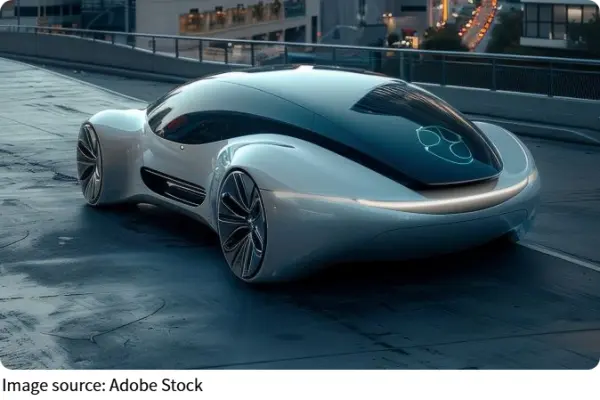
Luxury electric vehicles are more than just a passing trend—they're helping to redefine what the future of driving looks like. They combine the best of both worlds: the performance and luxury that enthusiasts expect, with the sustainability and innovation that the world needs. As these vehicles continue to evolve, they'll pave the way for a cleaner, greener, and more exciting automotive future.
By choosing a luxury EV, buyers are not only investing in cutting-edge technology, but they are also making a statement about the kind of future they want to support. For those ready to embrace the next generation of driving, luxury EVs offer a powerful blend of style, performance, and sustainability. And that's just the beginning.