V2V: Cars That Truly Talk

Kwame Johnson
| 30-04-2026
 · Automobile team
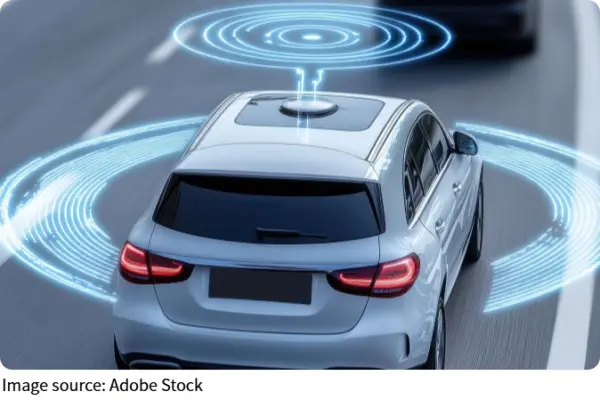
Imagine driving on a busy highway where cars don't just move in lanes, but actually “communicate” with each other, sharing information about speed, road conditions, and even potential hazards ahead.
No, this isn't science fiction—it's the reality that Vehicle-to-Vehicle (V2V) communication technology is bringing closer to everyday driving.
V2V allows cars to exchange data with each other, opening up a world of possibilities for safer, more efficient driving. This technology could revolutionize the way we drive, creating smarter roads and a safer driving environment.
What Is Vehicle-to-Vehicle (V2V) Communication?
At its core, V2V communication allows vehicles to communicate with one another wirelessly. Using sensors, cameras, and GPS, V2V systems send and receive data about things such as speed, location, and direction. This data helps vehicles “perceive” and “anticipate” what's happening on the road, even when the driver might not. For example, if a car ahead suddenly brakes, V2V can alert your vehicle to slow down even before you see the brake lights.
Examples of V2V Communication:
- Warning of sudden stops: If the car in front suddenly hits the brakes, your vehicle can receive an alert and automatically apply the brakes if equipped, reducing the risk of a collision.
- Blind spot detection: Vehicles will be able to detect others in their blind spots and alert the driver.
The Safety Benefits of V2V Communication
Safety is one of the biggest promises of V2V technology. By enabling cars to exchange real-time data, V2V can reduce accidents caused by human error, which remains a leading cause of crashes. Think of how many crashes are avoided every year just by being aware of what's happening around you. Now, imagine the whole road network sharing that information in real time.
How V2V Improves Safety:
- Accident Prevention: By alerting drivers about dangers ahead, V2V can prevent crashes from occurring in the first place. For instance, a vehicle can communicate with a car that's too close behind, preventing rear-end collisions.
- Pedestrian Safety: V2V systems can help alert vehicles to pedestrians or cyclists in the roadway, improving pedestrian safety.
- Better Reaction Times: When cars communicate, they can take quicker actions, such as applying brakes faster or adjusting speed when needed.
Traffic Efficiency and Reduced Congestion
Aside from safety, V2V technology promises to make roads more efficient. With real-time data about traffic conditions, roadblocks, and even potential accidents, vehicles can adjust their speed and routes proactively, avoiding congestion. This could drastically reduce travel times, fuel consumption, and the environmental impact of idling in traffic.
How V2V Improves Traffic Flow:
- Predictive Routing: Cars can communicate with each other to predict traffic patterns and reroute if needed, making travel more efficient.
- Adaptive Traffic Signals: V2V can be connected to traffic signals, allowing them to adjust based on real-time vehicle flow, reducing waiting times at lights.
- Platoon Driving: V2V enables vehicles to drive in coordinated groups or “platoons,” reducing fuel consumption and making highway driving more efficient.
The Role of V2V in Autonomous Driving
While V2V communication is beneficial for human-driven cars, it plays an even more crucial role in the development of autonomous vehicles. Autonomous cars rely on data from their environment to navigate safely, and V2V provides a vital source of that information. By allowing cars to communicate, autonomous vehicles can make better decisions in complex driving environments.
How V2V Enhances Autonomous Cars:
- Sharing Data with Autonomous Cars: V2V provides autonomous vehicles with data from surrounding cars, helping them better understand their environment.
- Improved Navigation: V2V can enhance the navigation of autonomous vehicles, especially in situations where the car's sensors might not provide enough information (e.g., in fog or during heavy rain).
- Coordinating Movement: Autonomous cars can use V2V to coordinate their movements with other vehicles, ensuring smoother transitions through intersections and merging lanes.
Challenges and the Road Ahead
While the potential of V2V communication is vast, it's not without its challenges. One of the major hurdles is ensuring that all vehicles—whether old or new—are compatible with the V2V system. There also need to be solid data security measures in place to prevent hacking or misuse of the system.
Challenges of V2V Communication:
- Standardization: For V2V to be effective, there needs to be a universal standard so that all vehicles can communicate seamlessly.
- Privacy and Security: Ensuring that the data exchanged between vehicles is secure and doesn't invade privacy is a significant concern.
- Infrastructure Investment: Widespread adoption of V2V requires a massive investment in infrastructure, including smart traffic lights, road sensors, and communication systems.
The Future of V2V Communication
The future of V2V communication is promising, but its widespread implementation will take time. As vehicle technology advances and road networks evolve, the dream of fully connected roads may become a reality sooner than expected. The benefits—improved safety, reduced congestion, and the smooth integration of autonomous vehicles—will make our roadways smarter and more efficient.
What to Expect in the Future:
- Seamless Integration: Over time, V2V technology will become standard in new vehicles, with older vehicles adopting retrofitting solutions.
- Wider Adoption of Autonomous Vehicles: As V2V becomes more mainstream, autonomous vehicles will be able to drive with greater confidence and safety.
- Smart Cities: V2V will be a key component in building smart cities, where all systems work together to create safer, more efficient urban environments.
The Road to a Smarter Future
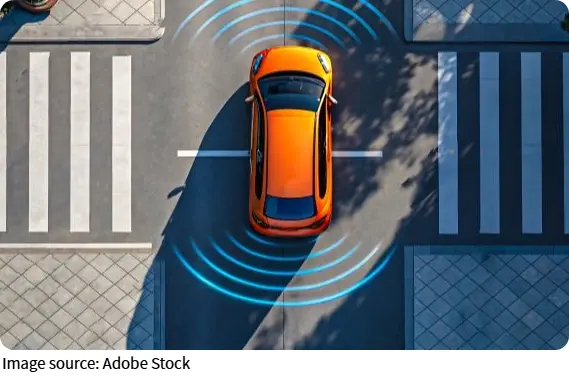
Vehicle-to-Vehicle communication is more than just a futuristic idea—it's a technology that's actively shaping the future of transportation. With enhanced safety, reduced congestion, and the seamless integration of autonomous vehicles, V2V communication has the potential to revolutionize the way we think about driving and road safety. The journey is just beginning, and the road ahead is smarter than ever.