Battery Recycling Challenges

Liam Reilly
| 09-05-2026
 · Automobile team
Electric vehicles (EVs) have become the symbol of a greener future, with governments and industries pushing hard to replace gas-powered cars with clean alternatives.
However, there's a significant challenge looming on the horizon: what happens when these EV batteries reach the end of their life?
As millions of EVs hit the roads, the demand for recycling their batteries is rising, but so is the complexity. How are we dealing with this issue, and what innovations are helping make EV battery recycling more efficient?
The Need for EV Battery Recycling
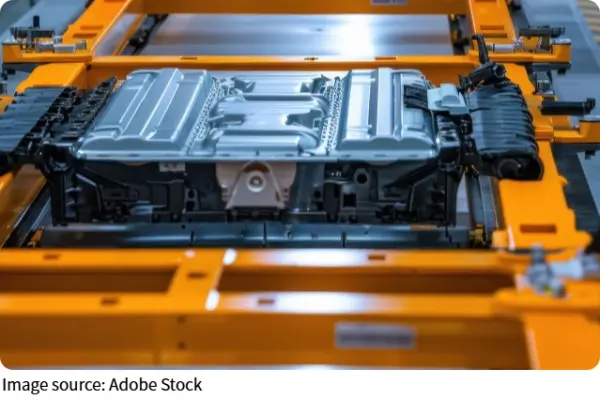
EV batteries are a critical component of electric vehicles. However, they don't last forever. Over time, their efficiency declines, and they need to be replaced. The raw materials, such as lithium, cobalt, and nickel, used in EV batteries are expensive and can be harmful to the environment if not disposed of properly. This is where recycling comes into play.
Recycling EV batteries helps recover valuable materials, reduces waste, and lessens the environmental impact of mining for new materials. With more EVs being produced each year, the volume of batteries to be recycled is increasing, and the urgency to develop efficient recycling methods is higher than ever.
Challenges in EV Battery Recycling:
Complexity of Battery Types: Different EVs use different types of batteries, which makes recycling a complex process.
Hazardous Materials: Batteries contain toxic materials that require careful handling to avoid environmental harm.
Lack of Infrastructure: Not all areas have the infrastructure or facilities to handle large-scale battery recycling.
Innovations Driving Change
With the challenges of EV battery recycling comes a wave of innovative solutions aimed at making the process more efficient, cost-effective, and environmentally friendly.
1. Direct Recycling Techniques:
One innovation is direct recycling, which involves reusing the materials from the battery cells without breaking them down completely. This method preserves the structure of valuable materials like lithium and cobalt, making them easier and cheaper to reuse. Companies are leading the way in this approach, using less energy and creating less waste than traditional recycling methods.
2. Second-Life Batteries:
Another exciting innovation is the concept of "second-life" batteries. When an EV battery is no longer efficient enough for use in a car, it can still retain a significant amount of capacity. These batteries can be repurposed for stationary energy storage, reducing the demand for new batteries and allowing them to be used in renewable energy systems like solar power grids.
3. Automated Recycling Facilities:
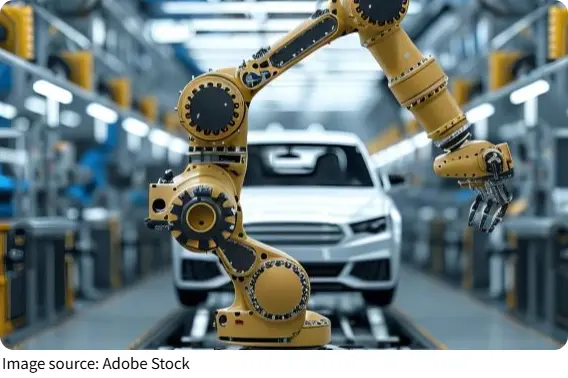
Advances in automation are also speeding up the recycling process. Automated facilities can disassemble batteries quickly, safely, and accurately, leading to better material recovery and less human error. This technology not only makes the process more efficient but also reduces the risk of accidents from handling hazardous materials.
The Economic and Environmental Impact
Recycling EV batteries doesn't just make sense from an environmental perspective; it's also economically beneficial. The global market for recycled materials is expected to grow significantly, and battery recycling can reduce the need for mining raw materials, which is both costly and environmentally damaging. Additionally, as demand for EVs and their batteries continues to rise, recycling can help ensure that there's enough supply of critical materials to meet that demand.
Economic Benefits:
Job Creation: Recycling creates jobs in the collection, transportation, and processing sectors.
Cost Reduction: By reusing materials, manufacturers can lower the cost of producing new batteries.
Sustainable Supply Chain: Recycling ensures that companies don't have to rely entirely on mining for materials, offering more stability in the supply chain.
Environmental Benefits:
Less Mining: Reduces the need for environmentally harmful mining of materials like lithium and cobalt.
Lower Carbon Emissions: The energy required to mine and process raw materials is much higher than that needed for recycling.
Waste Reduction: Recycling prevents old batteries from ending up in landfills, where they could leak toxic substances into the environment.
What's Next for EV Battery Recycling?
As the demand for electric vehicles grows, so does the need for effective battery recycling systems. The industry is still in its early stages, but as more companies invest in research and development, we can expect to see more breakthroughs in recycling technology.
There's also a push for standardizing the recycling process across the industry. By creating consistent guidelines for battery design, manufacturers can make it easier to recycle batteries in the future. Innovations like using recyclable battery components and designing batteries that are easier to disassemble are already being explored.
As a consumer, supporting companies with sustainable practices and staying informed about the recycling options for your EV can also play a crucial role in helping the environment.
Building a Circular Economy for EV Batteries
EV battery recycling is an essential part of the sustainable future of electric vehicles. With new innovations making the process more efficient and cost-effective, we are taking steps toward building a circular economy. The challenge is big, but the solutions are emerging—and they could reshape not only how we power our cars but also how we treat valuable resources and reduce waste for future generations.