The Future of Car Safety

Camille Dubois
| 07-05-2026
 · Automobile team
When you think of car safety, you likely imagine seatbelts, airbags, and crash tests.
However, as technology advances, the concept of safety in cars is evolving.
In 2026, the way we protect ourselves on the road is expected to change dramatically, thanks to the rise of Advanced Driver Assistance Systems (ADAS). These systems are set to redefine what it means to be safe in a vehicle, transforming the driving experience from reactive to proactive.
What is ADAS?
Advanced Driver Assistance Systems (ADAS) refer to a range of electronic systems that assist drivers in operating and maneuvering vehicles. The goal is to increase car safety by automating, enhancing, or monitoring certain driving functions. ADAS includes features like lane-keeping assistance, adaptive cruise control, automatic emergency braking, and more. These systems work together to reduce human error, prevent accidents, and make driving smoother and more comfortable.
Key Features Driving ADAS in 2026
ADAS is no longer limited to parking sensors. By 2026, this technology is expected to be far more advanced and capable. Here are some of the key features that will be at the forefront:
1. Lane Departure Warning and Lane Keeping Assist
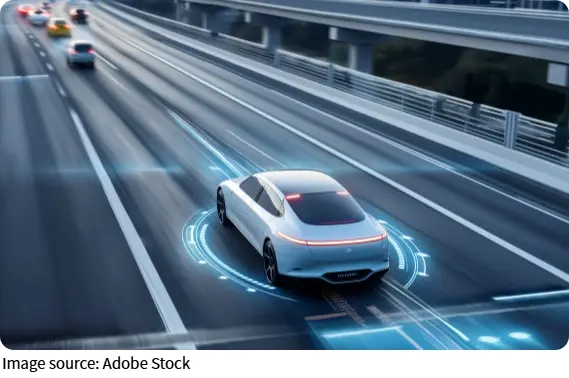
With lane departure warning systems, cars will alert drivers when they begin drifting out of their lane without signaling. Lane-keeping assist goes a step further by gently steering the vehicle back into its lane, improving control and reducing accidents caused by inattentive driving.
2. Adaptive Cruise Control
Adaptive cruise control allows the vehicle to automatically adjust its speed to maintain a safe distance from the car ahead. This feature makes highway driving more efficient, reduces driver fatigue, and helps prevent rear-end collisions.
3. Automatic Emergency Braking (AEB)
AEB systems automatically apply the brakes when a potential collision is detected, reducing the severity of accidents or preventing them entirely. These systems are particularly valuable in city driving, where sudden stops are frequent.
The Road Ahead: Full Autonomy
While 2026 will see these advanced systems widely implemented in vehicles, the ultimate goal remains full vehicle autonomy, where cars can operate without human intervention. ADAS will serve as the critical stepping stone toward fully autonomous vehicles (AVs) that can make decisions independently, further reducing human error and accidents.
The Impact on Drivers and Pedestrians
As ADAS continues to evolve, the road will become safer not only for drivers but also for pedestrians. Features such as pedestrian detection, which can prevent accidents by identifying people in the car’s path, are expected to become more accurate and reliable. As more vehicles are equipped with ADAS, we can anticipate fewer pedestrian fatalities and a safer, more harmonious coexistence between cars and people on the road.
The Challenges Ahead
Of course, there are still challenges to overcome before ADAS can become fully integrated into the world's vehicles. One major issue is the need for high-quality data and sensors that can accurately interpret the environment. Weather conditions, road signs, and other variables can affect system performance. As manufacturers continue to refine these systems, improvements will be made, but it will take time for technology to reach its full potential.

A Safer Future for All
The future of car safety looks bright with the continuous advancements in ADAS. By 2026, driving will be safer, more efficient, and more accessible, thanks to these cutting-edge technologies. With more driver assistance systems becoming standard in vehicles, the road will not only be safer for drivers but for everyone. The goal of reducing traffic-related fatalities and creating smoother driving experiences is within reach, and ADAS is leading the way.