Self-Driving Cities

Nolan O'Connor
| 29-04-2026
 · Automobile team
Imagine a world where your car drives you to work while you enjoy your morning coffee or finish up emails. Autonomous vehicles are no longer a distant dream—they're becoming an essential part of the future of transportation.
As self-driving cars continue to evolve, they are expected to have a profound impact on both urban design and traffic flow. Let's dive into how autonomous cars are transforming the way cities are planned and how we move through them.
Reducing the Need for Parking Spaces
One of the most immediate effects of autonomous vehicles will be the massive reduction in the need for parking spaces. Today, a significant portion of urban areas is dedicated to parking lots and garages. With autonomous cars, the car can drop passengers off at their destination and then go park itself in a more distant location. This will free up valuable real estate in urban areas, especially in city centers.
Instead of occupying prime space with parking structures, cities can repurpose these areas for parks, pedestrian walkways, or residential buildings. This could transform public spaces, making urban living more pleasant and eco-friendly.
Example: Studies predict that autonomous vehicles could reduce parking demand by up to 62% in large cities. This opens up opportunities for more green spaces and community areas.
Impact on Traffic Flow and Road Design
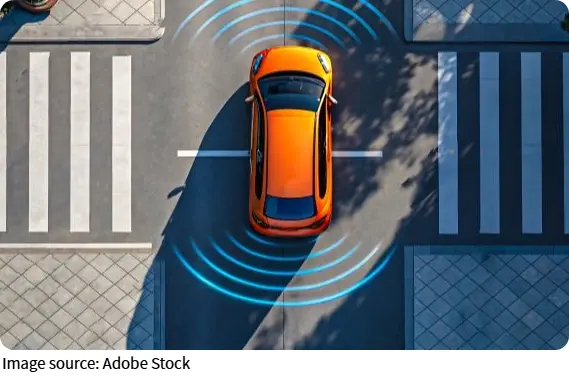
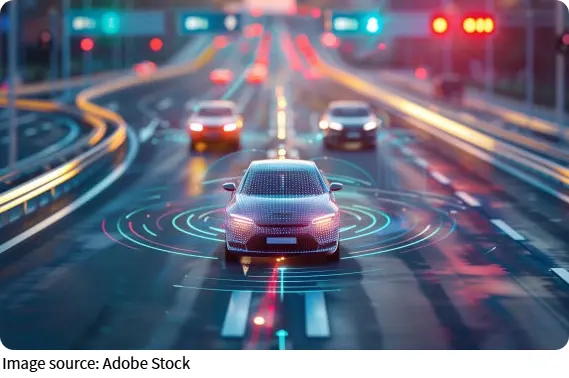
Autonomous vehicles are equipped with technology that allows them to communicate with one another, resulting in smoother traffic flow. Self-driving cars can travel closer together at higher speeds, reducing the need for large roadways and wide lanes. This could significantly lower congestion and streamline traffic, especially during peak hours.
Moreover, the ability of autonomous vehicles to constantly monitor their surroundings and adjust speeds in real-time can prevent accidents caused by human error, which is responsible for the majority of traffic incidents today. With fewer collisions, traffic could flow more efficiently, reducing both travel time and stress for commuters.
Example: Pilot tests have shown reductions in traffic accidents by up to 40% in areas with autonomous vehicle presence. This could change the way cities approach road infrastructure.
Smart Cities and Data-Driven Urban Planning
The integration of autonomous vehicles with smart city technology is another key shift in urban design. Autonomous cars collect vast amounts of data about traffic patterns, road conditions, and driver behavior. Cities can use this data to optimize traffic signals, improve public transportation routes, and even predict maintenance needs for roads and infrastructure.
Data gathered from autonomous vehicles can help urban planners understand traffic flow better, allowing them to design more efficient intersections or roundabouts. Additionally, with real-time data, cities can respond more effectively to emergencies, like accidents or road closures, directing traffic around affected areas more quickly.
Example: Cities using autonomous vehicle data for traffic management are planning for more responsive and adaptable urban infrastructure.
Shifting the Focus to Pedestrian and Bike-Friendly Areas
As autonomous cars become more prevalent, the emphasis will shift from car-centric urban design to pedestrian and bike-friendly spaces. Since autonomous vehicles can drop passengers off at their destinations, there will be less need for cars to drive all the way up to the front door of a building or shopping center. This could lead to more pedestrianized streets and bike lanes.
Cities can use the space once allocated for cars and parking to build wider sidewalks, improve bike-sharing systems, and create safer crossings. This will encourage more people to walk or cycle, reducing overall traffic congestion and promoting a healthier, more sustainable way of life.
Example: In cities with strong cycling infrastructure, autonomous vehicles could lead to even more bike-friendly spaces, reducing dependency on cars and improving the environment.
Reimagining Public Transportation
Autonomous vehicles could also change the way we think about public transportation. Instead of relying on traditional buses or trains, cities might adopt fleets of self-driving shuttles or cars to transport passengers on-demand. These autonomous shuttles could follow pre-programmed routes but be flexible enough to adapt to changing demand, providing a more efficient service.
This change could be especially beneficial in suburban and rural areas, where public transportation options are limited. With self-driving shuttles, people could have on-demand rides that take them directly to key locations, without the need to drive themselves or wait for a bus.
Example: Pilot programs in various regions are testing autonomous shuttles to improve public transport systems and reduce congestion and carbon emissions.
The introduction of autonomous cars is not just a technological shift; it's a transformation of how cities function. As these vehicles take over the roads, urban areas will evolve into more pedestrian-friendly, sustainable, and data-driven environments. The future promises smarter, more efficient cities where traffic congestion and parking woes are a thing of the past. As we embrace this change, the way we design and experience cities will never be the same.