Master Motorcycle Tires

Amina Hassan
| 08-05-2026
 · Automobile team
Your motorcycle's tires are the only point of contact between you and the road. They influence everything—handling, comfort, fuel efficiency, and safety.
Yet many riders overlook them until something feels “off.” Understanding tire types, pressures, and wear isn't just technical talk—it's the foundation of confident, controlled riding. Whether you're a daily commuter or weekend adventurer, knowing how to read and maintain your tires can make every journey safer and far more enjoyable.
In this guide, we'll explore how to choose the right tire for your riding style, how to maintain the ideal pressure, and how to spot signs of wear before they become a problem. Let's make sure your tires are ready to roll wherever the road takes you.
Knowing Your Tire Type and Pressure
Choosing the right tire starts with understanding what kind of rider you are and where you spend most of your time on two wheels.
Understanding Tire Types
Different riding environments demand different tires. Street tires are built for smooth pavement, offering excellent traction and stability in both dry and wet conditions. If you love long road trips, touring tires are made for comfort and durability, designed to handle thousands of miles with consistent grip. On the other hand, sport tires prioritize performance and cornering precision, perfect for riders who enjoy leaning into curves.
If your adventures take you beyond asphalt, dual-sport or adventure tires offer versatility—combining the grip of street tires with the tread depth of off-road ones. Off-road or motocross tires, meanwhile, are designed with deep patterns to handle dirt, mud, and loose gravel. Knowing what type fits your style helps your motorcycle perform at its best without unnecessary wear or risk.

Finding the Right Tire Pressure
Tire pressure can make or break your ride. Too low, and you'll lose stability, burn more fuel, and wear the edges unevenly. Too high, and the ride becomes harsh, reducing grip and control. Always check your owner’s manual or the label on your bike's swingarm for the manufacturer's recommended pressure. Use a reliable pressure gauge—digital ones tend to be the easiest to read—and check your tires when they're cold for the most accurate reading. For most motorcycles, front tires range between 28–36 psi and rear between 32–42 psi, but always confirm your specific numbers. Get into the habit of checking at least once a week or before long rides.
Temperature and Load Matter
Riding in hot weather or carrying passengers affects tire pressure. Warm air expands, which means your tire pressure may rise slightly after a long ride. If you often ride with luggage or a passenger, add a bit of extra pressure (within safe limits) to balance the added weight. A small adjustment can make a big difference in both comfort and safety.
Spotting and Managing Tire Wear
Even the best tires wear out eventually, and recognizing the signs early keeps you out of trouble and on the road longer.
Reading the Tread
Tire tread depth tells you a lot about the health of your tires. Most motorcycle tires have wear indicators—small raised bars in the grooves. When the tread wears down to their level, it's time for a replacement. Riding on bald or unevenly worn tires can lead to poor traction, especially on wet surfaces.
Watching for Uneven Wear
If one side of your tire looks more worn than the other, check your alignment and suspension settings. Over-inflation usually wears down the center faster, while under-inflation wears out the sides. Also, aggressive braking or hard cornering habits can accelerate specific wear patterns. Keeping your suspension balanced and pressure consistent helps distribute weight evenly and prolongs tire life.
Time to Replace?
Even if the tread still looks fine, tires age over time. Rubber gradually hardens and loses flexibility, which reduces grip. As a rule of thumb, consider replacing your tires every five years, or sooner if you notice cracks, punctures, or a roughened surface. Always replace both tires together for balanced performance unless one is significantly newer.
To make your new tires last longer, break them in gently for the first 100 miles or so, avoiding hard acceleration or sharp turns. This allows the surface to scuff in evenly, providing optimal traction.
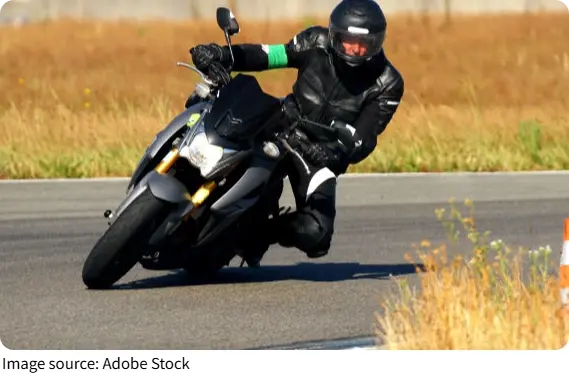
Your tires tell the story of every road you've ridden—and they deserve your attention. By choosing the right type, keeping the pressure just right, and checking for signs of wear, you ensure smoother handling, better grip, and a safer ride overall. A few minutes of care before each trip can save you from expensive repairs or risky situations later. Remember, the best rides start with the smallest details—and your tires are where every great journey begins.