Grow Herbs Indoors

Santosh Jha
| 14-05-2026
 · Lifestyle team
A kitchen windowsill full of herbs is one of those things that looks effortless but quietly requires getting a few things right.
The good news is that once you understand what herbs actually need — and what they can't stand — growing them indoors is genuinely straightforward. Most of the common culinary ones are forgiving by nature, especially once you stop making the most common mistakes.
Choosing the Right Herbs to Start
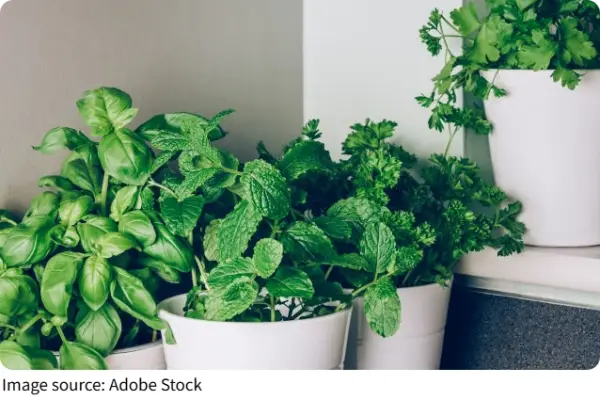
Not every herb thrives in an indoor container. Herbs with large root systems — such as horseradish, fennel, and lovage — struggle in pots and are better suited to ground planting. The herbs that do well indoors are compact growers: basil, chives, cilantro, parsley, mint, oregano, thyme, rosemary, and sage. Mint deserves a special mention — it spreads aggressively and should always be kept in its own container to prevent it from crowding other plants. For beginners, mint, chives, and parsley are the most forgiving of varying conditions. Basil, on the other hand, is highly rewarding but demanding: it requires maximum light and consistent warmth, and will fail quickly in cold or dim conditions.
Light Comes First
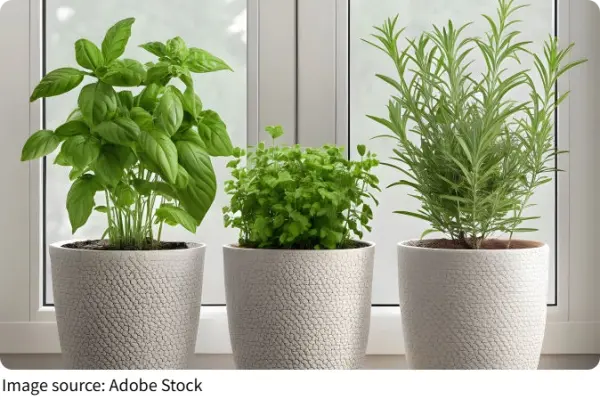
Herbs grown without adequate light become thin, spindly, and flavorless — and that's the core challenge of indoor herb gardening. Mediterranean herbs like basil, rosemary, oregano, and thyme want six to eight hours of direct sunlight daily. A south-facing window is the gold standard. West-facing windows offer strong afternoon light and suit parsley, chives, and oregano well. East-facing windows with gentle morning sun work for mint and chives. North-facing windows are generally too dim for most herbs without a supplemental LED grow light. If stems are stretching and leaves are pale, inadequate light is almost certainly the problem. Rotating pots regularly ensures all sides get even exposure.
Watering Correctly Is Critical
Overwatering is the most common reason indoor herbs fail. Unlike garden beds, containers have no natural drainage below, so water management in pots is unforgiving. The test is simple: insert a finger about an inch into the soil. If it still feels moist, wait. If it's dry at that depth, water deeply until the water runs freely out the drainage holes — then empty the saucer to prevent the roots from sitting in standing water. Mediterranean herbs — rosemary, thyme, oregano, sage — prefer to dry out between waterings. Basil and parsley, by contrast, prefer consistently damp soil. Keeping herbs with similar watering needs grouped together makes the whole routine much easier to manage.
Containers, Temperature, and Humidity
Every herb container must have drainage holes. A container without them will almost certainly lead to root rot. Keep herbs in a room where daytime temperatures stay between 65 and 70°F and nights don't drop below 55°F. Basil is especially cold-sensitive and should never sit on a windowsill during cold winter months — even brief exposure to temperatures below 50°F will damage it. Herbs also need a balance between humidity and airflow. Air that's too dry causes leaves to curl and dry out; air that's too humid with poor circulation invites fungal problems. Growing herbs in individual pots rather than one crowded container, with some space between them, helps maintain that balance.
Harvesting to Keep Plants Producing
Regular harvesting is what keeps herb plants productive rather than exhausted. For upright herbs like basil, mint, and oregano, trim the tips of branches just above a leaf node — this encourages the plant to branch out and get fuller rather than shooting upward and going to seed. For clumping herbs like parsley and chives, snip the outer leaves from the base and let the center keep growing. The golden rule: never remove more than one-third of the plant in a single harvest. And watch for flowers — as soon as an herb blooms, the leaves often turn bitter and the plant shifts its energy into seed production. Pinch off flowers as soon as they appear to extend the harvest.
Fertilizing Lightly
Herbs indoors benefit from a light dose of water-soluble fertilizer roughly every two weeks during the growing season. The word light is important — too much fertilizer actually reduces the concentration of the aromatic oils that give herbs their flavor and fragrance. If you've just refreshed the potting mix, skip fertilizing for a few weeks since new soil already contains adequate nutrients.