Outdoor Aging Well

Ethan Sullivan
| 19-05-2026
 · Lifestyle team
Spending time outdoors is one of the simplest yet most effective ways to support health and emotional well-being later in life. Fresh air, natural light, and gentle movement together create benefits that go far beyond physical fitness.
Outdoor activities also help maintain social connections and mental sharpness, both of which are often overlooked in aging discussions.
The good news is that staying active outside does not require expensive equipment or intense effort—small, enjoyable habits can make a meaningful difference in daily life.
Walking as a Natural Way to Stay Mobile
Walking remains one of the most accessible and beneficial outdoor activities. It requires no preparation beyond comfortable footwear and can be adapted to any pace or fitness level. A slow walk through a neighborhood park or a steady stroll along a shaded path both improve circulation and joint mobility.
Beyond physical benefits, walking outdoors helps regulate mood by exposing the body to natural light and changing scenery. Even short walks can help reduce stiffness and improve overall energy levels. For many people, walking becomes a grounding routine that fits easily into daily life without feeling like structured exercise.
Dr. Thomas Frieden, a physician and former director of the Centers for Disease Control and Prevention, states that walking can help combat disease, improve cardiovascular health, and reduce the risk of early death.
Enjoying Picnics as a Social Outdoor Ritual
Sharing a meal outdoors turns an ordinary routine into a meaningful experience. Picnics encourage people to slow down, enjoy seasonal foods, and spend time in a relaxed environment away from screens and indoor distractions.
Simple meals such as fresh fruit, whole-grain sandwiches, or light salads can be prepared ahead of time and enjoyed in parks, lakesides, or community green spaces. More than just eating outside, picnics encourage conversation and laughter, which are important for emotional well-being and social connection.
Experiencing Live Music in Open Spaces
Outdoor music events offer a unique combination of relaxation and stimulation. Whether it is a small local band in a park or a larger community concert, live music provides emotional engagement that recorded music cannot fully replicate.
Listening in an open-air setting allows individuals to enjoy sound alongside fresh air and natural surroundings. It also creates opportunities for social interaction, as people often gather, share tables, or simply enjoy the shared atmosphere of a performance.
Visiting Farmers’ Markets for Fresh Air and Local Goods
Farmers’ markets are more than shopping destinations—they are social and sensory experiences. Walking through stalls filled with seasonal produce, baked goods, and handmade items provides light physical activity combined with community engagement.
Supporting local farmers also encourages sustainable food systems while offering access to fresh, minimally processed ingredients. Many visitors find that regular trips to these markets become a pleasant weekly routine that blends errands with leisure.
Swimming and Water-Based Movement
Water activities offer a refreshing way to stay active, especially during warm weather. Swimming reduces pressure on joints while still engaging major muscle groups, making it suitable for individuals with limited mobility or stiffness. For those who prefer structured movement, water aerobics classes provide guided exercise in a supportive environment.
The natural resistance of water helps improve strength and endurance without the impact stress associated with land-based workouts.
Writing or Reflecting in Outdoor Spaces
Journaling outside can be both calming and mentally clarifying. Sitting in a park or quiet garden allows thoughts to flow more freely, supported by a peaceful environment and natural sounds. This practice is often used as a form of emotional reflection. Writing about daily experiences, memories, or simple observations can improve mindfulness and reduce mental clutter. Even short sessions outdoors can feel refreshing compared to indoor routines.
Gardening as Gentle Physical and Emotional Exercise
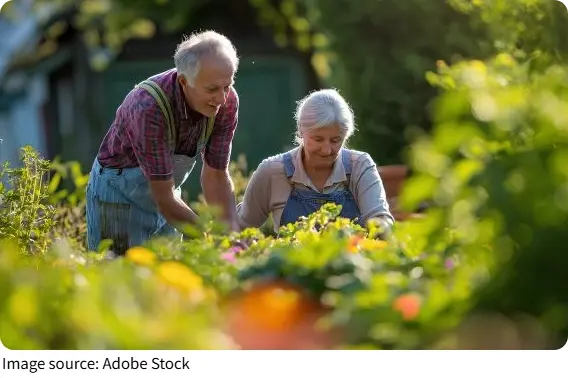
Gardening combines movement, focus, and creativity in a single activity. Planting, watering, and caring for plants gently engages muscles while also providing a sense of purpose. Watching plants grow over time offers emotional satisfaction and reinforces patience and consistency. Gardening can also be a shared activity, encouraging cooperation between neighbors, friends, or family members in community gardens or home spaces.
Exploring New Places Through Day Trips
Short day trips offer a break from routine and introduce new environments without requiring long travel. Visiting nearby towns, cultural sites, or scenic areas can stimulate curiosity and provide a sense of adventure. These outings also encourage light walking and exploration, which supports physical activity in a natural and enjoyable way. Planning such trips with companions adds a social layer that enhances the overall experience.

Outdoor activities offer far more than entertainment—they support physical strength, emotional balance, and social connection. Whether it is a simple walk, a shared picnic, gardening, or exploring a new place, each activity contributes to a healthier and more engaged lifestyle.
The key is consistency and enjoyment, not intensity or complexity. By choosing to spend more time outside in meaningful ways, daily life becomes richer, more active, and more connected to the world beyond four walls.