Raise Independent Kids

Declan Kennedy
| 19-05-2026
 · Lifestyle team
Building independence and confidence in children begins with giving them space to try, succeed, and sometimes fail on their own.
Consistently completing tasks for children that they can manage on their own can limit their ability to solve problems, make decisions, and trust their abilities. True growth comes from encouraging children to face challenges and discover solutions by themselves.
Independence is not something that appears overnight. It is cultivated through small, intentional steps in daily life. By helping children build skills gradually, caregivers lay the foundation for lifelong self-sufficiency, resilience, and confidence.
1. Introduce Daily Responsibilities Early
Independence starts long before adolescence. Children as young as two or three can take part in simple household tasks such as putting toys away, helping carry items, or placing their shoes by the door. The value of these activities lies not in the task itself but in instilling a habit of contribution and responsibility.
Visual tools, like a simple chore chart, can help children understand what is expected without constant reminders. The chart shows which tasks need to be completed and allows children to track their progress. Over time, children internalize these routines, making participation a natural part of daily life rather than a forced requirement.
This approach also fosters a sense of purpose. When children feel that their contribution matters, they develop confidence in their abilities and an early understanding of accountability. These habits, when established early, carry forward into more complex responsibilities as they grow older.
2. Allow Practice Without Immediate Intervention
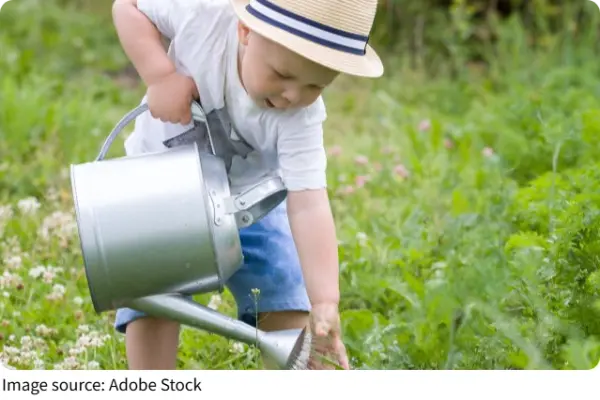
Confidence grows when children face challenges on their own. Begin by showing the child how to complete a task and then perform it together. Finally, step back and let them try independently, intervening only when there is a safety concern.
Mistakes are a natural and valuable part of learning. Responding calmly and asking questions such as, “What could you try differently next time?”, encourages reflection and problem-solving skills rather than dependence.
While allowing children to work through challenges may feel slower at first, it leads to stronger abilities and faster growth in the long term. Children learn to think critically, adapt strategies, and develop persistence—essential skills for independent thinking.
3. Provide Limited Choices
Decision-making is a critical skill for building independence. Children should not be given unlimited freedom, which can be overwhelming. Instead, offer two or three age-appropriate options that they can choose from. Examples include:
- Deciding which subject to start with for homework.
- Choosing between two dinner options.
- Selecting which outfit to wear.
Making these small decisions daily allows children to develop confidence in evaluating options and accepting outcomes. Over time, they learn to weigh consequences, make choices, and take responsibility for their decisions. Research shows that children develop most effectively when challenged slightly beyond their comfort zone. Presenting choices within a structured framework ensures that children stretch their abilities while remaining supported.
4. Praise Effort, Not Just Results
How children are praised influences how they approach challenges. Focusing on effort rather than outcome encourages perseverance and resilience. Statements like “You worked really hard on that” highlight dedication, strategy, and persistence, while simply saying “Good job” can unintentionally emphasize only the end result.
''Children grow in confidence when they are given responsibility and encouraged to try things on their own. It is helpful to recognize effort, patience, and persistence rather than focusing only on the outcome.'' — Simple Ways to Encourage Independence in Young Children.
Children praised for their effort are more likely to:
- Keep trying after setbacks.
- Take on challenges that are unfamiliar or difficult.
- Develop a growth mindset, understanding that improvement comes through practice.
Celebrating effort helps children understand that success is a process rather than a fixed achievement. It fosters an attitude where challenges are viewed as opportunities rather than obstacles.
5. Design an Environment for Success
Independence is more likely to flourish when the environment supports self-sufficiency. Small adjustments can make independent choices easier. Examples include:
- Hooks at the child’s eye level for school bags.
- Step stools in the kitchen to reach counters.
- Snacks stored on low shelves for easy access.
When daily life is organized to support autonomy, children naturally take initiative. Removing obstacles reduces frustration and encourages them to do things on their own. Starting with one or two small changes can quickly lead to significant improvements in independence.
Additionally, ensuring the environment is safe and structured allows children to experiment and learn without constant supervision. Over time, these small environmental supports help children feel capable, confident, and empowered.

Independence and self-sufficiency are skills cultivated gradually through consistent practice, patience, and intentional guidance. By encouraging children to take responsibility for age-appropriate tasks, providing structured choices, praising effort, and designing a supportive environment, children gain the confidence, resilience, and problem-solving abilities that will last a lifetime.
True independence is built step by step, through small daily challenges and opportunities to grow. When children are trusted to try, learn, and succeed on their own, they develop the foundation for a capable and confident future.