Low Ride Culture

Chandan Singh
| 01-06-2026
 · Automobile team
Hello Lykkers! Have you ever seen a vehicle that looks like it is almost touching the ground, rolling smoothly with striking wheels and a bold presence?
That is the essence of the low ride style in vehicle customization culture. It is more than just a visual upgrade—it is a creative expression that turns a standard vehicle into something unique and attention-grabbing.
Across many countries, enthusiasts admire this style because it reflects personality and imagination. A customized vehicle often becomes a moving artwork, shaped by the owner’s taste and vision. But behind the impressive appearance, there are also practical factors worth understanding.
How This Global Trend Began
The low ride movement is widely linked to automotive communities that grew in the United States decades ago. Young car lovers wanted to create something different from factory designs. By adjusting suspension systems and reducing vehicle height, they discovered a completely new visual identity.
As time passed, this idea spread through car gatherings, magazines, films, and online communities. Enthusiasts in Europe, North America, South America, and other regions began adapting the concept in their own ways. Some focused on clean, minimal designs, while others explored bold and expressive customization.
Today, the style is recognized worldwide. It has become a shared language among car enthusiasts, connecting people through creativity and design passion.
Design That Stands Out on the Road
The most noticeable feature of a low ride vehicle is its close-to-ground stance. This creates a sleek and aggressive silhouette that instantly draws attention. Even when parked, the vehicle looks dynamic and ready to move.
Custom wheels are another key element. Many owners choose larger rims with detailed finishes, polished surfaces, or creative color combinations. These wheels often become a focal point of the entire design.
Body modifications also play an important role. Some vehicles include extended side panels or carefully shaped bumpers that enhance the smooth flow of the body lines. When combined, these elements create a strong visual identity that feels both modern and artistic.
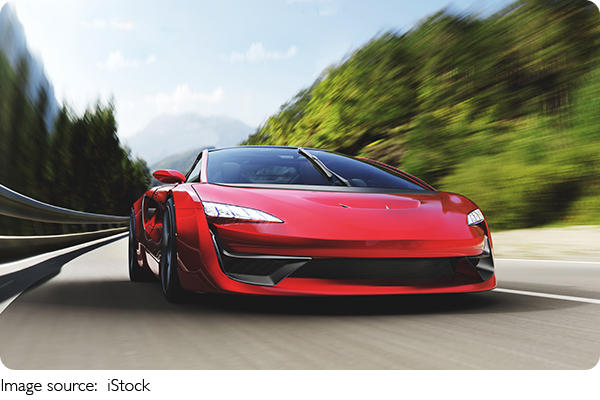
Imagine a deep red sports car with silver-toned wheels reflecting city lights at night. The effect is simple but powerful—people naturally stop to look.
Everyday Roads Bring Real Challenges
While the appearance is impressive, daily driving conditions can present difficulties.
Road surfaces are rarely perfect. Small bumps, uneven pavement, or unexpected obstacles can become serious concerns for vehicles with reduced clearance. Because the body sits closer to the ground, even minor road irregularities may cause contact with the underside.
Repeated contact can gradually affect key components located beneath the vehicle. Maintenance costs may increase over time if protective parts are damaged.
For enthusiasts who enjoy driving regularly, this becomes an important consideration. What looks perfect at a car exhibition may require extra caution on ordinary roads.
Comfort and Driving Feel
Another aspect worth noting is ride comfort. Many low ride setups use modified suspension systems that are stiffer than standard configurations. This helps achieve the lowered stance but changes how the vehicle responds to road conditions.
On smooth roads, the experience can still feel controlled and stable. However, on uneven surfaces, vibrations are more noticeable inside the cabin. Longer journeys may feel more tiring compared to standard setups.
Steering behavior can also change depending on how the modification is done. Professional tuning often maintains balance, but less precise adjustments may affect responsiveness and overall driving feel. That is why proper setup and expert installation are highly valued in this community.
Lighting and Visibility Considerations
Vehicle height also influences lighting angles. When a vehicle is lowered, the direction of headlights may shift slightly. If not adjusted correctly, nighttime visibility can be reduced.
Good lighting is essential for safe driving in low-light conditions. Many enthusiasts take extra steps to ensure that headlight positioning remains accurate after modifications.
Visibility is not just about lights—it also relates to road awareness. A lower seating position can change how drivers perceive distance and elevation, especially in unfamiliar environments.
Rules and Responsibility
Different regions around the world have their own regulations regarding vehicle modification. These rules are designed to maintain road safety and ensure that vehicles remain suitable for public use.
Changes to suspension height or structural components may require inspection or approval in some places. If a vehicle does not meet local standards, owners may be asked to make adjustments or restore original specifications.
Because of this, many enthusiasts plan their modifications carefully. Understanding regulations in advance helps avoid unexpected issues and keeps the customization experience enjoyable.
Style Meets Real Life
Low ride culture is a clear example of how creativity and practicality meet in vehicle design. On one hand, it offers a strong visual identity and allows owners to express individuality. On the other hand, it introduces real-world considerations such as road conditions, comfort, and maintenance.
This balance is what makes the style so interesting. It is not just about appearance—it is about choosing how a vehicle fits into everyday life and personal taste.

Final Thoughts
Lykkers, the low ride style continues to inspire car enthusiasts around the world. It transforms vehicles into expressive designs that stand out wherever they go, while also reminding us that every design choice comes with trade-offs.
If you had the chance to customize a vehicle, would you go for a bold low ride look or prefer something more practical for daily use? Share your thoughts and experiences—we’d love to hear how you see this global automotive style.